
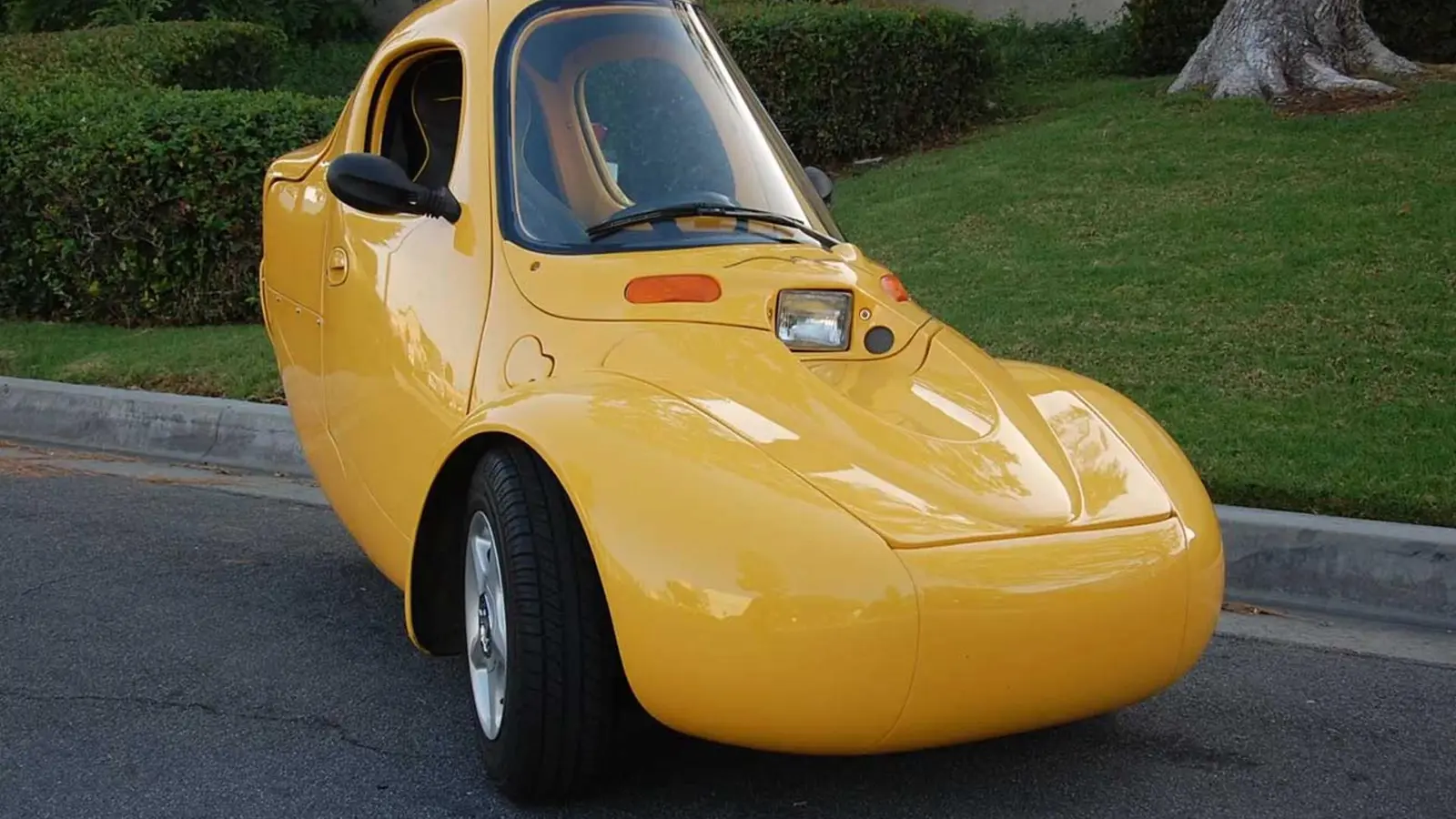
Yellow Corbin Sparrow Hits the Auction Block
A rare yellow Corbin Sparrow — the single-seat, banana-shaped three-wheel electric vehicle that stood out on city streets from the late 1990s into the early 2010s — is up for auction after years in a Texas museum. It’s a tiny, eccentric piece of EV history that now presents a unique restoration opportunity thanks to modern battery technology.

What made the Sparrow so unusual?
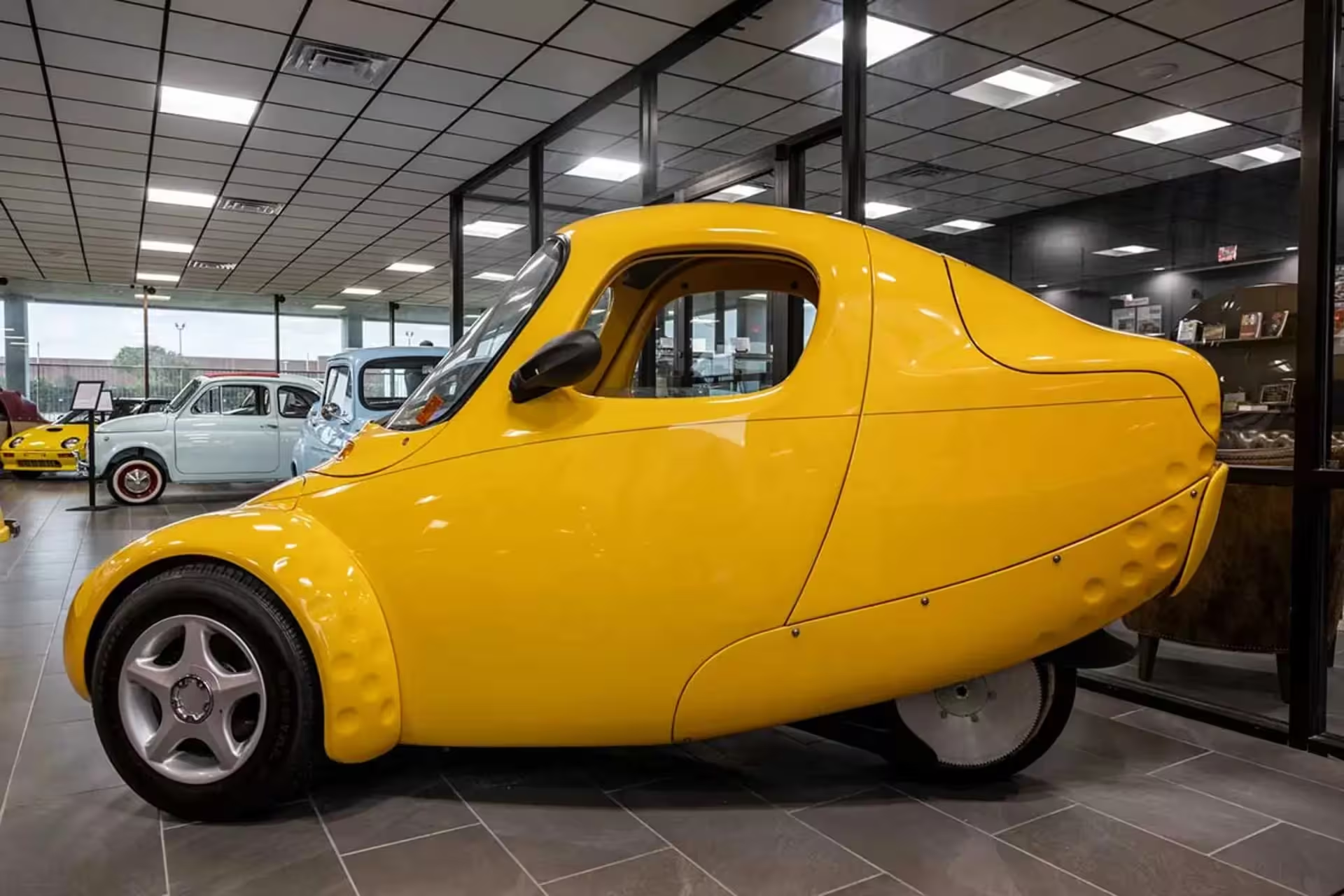
Built for short urban trips, the Corbin Sparrow was purposefully compact: narrow enough to slide through traffic, more weather-protected than a motorcycle, and light on parking space. Its curvy, pod-like body — some called it a shoe, others a banana — made it instantly recognizable. Manufactured from about 1999 through the early 2010s in limited numbers, the Sparrow targeted city commuters who wanted an economical alternative to conventional cars.
Key highlights
- Configuration: single-seat, three-wheel layout
- Designed for: urban mobility and short commutes
- Original battery: heavy lead-acid packs
- Production span: late 1990s to early 2010s (limited run)
Mike Corbin: inventor, racer, and EV pioneer
Mike Corbin, the Sparrow’s creator, was more than a quirky designer. A former Navy electrician and a daring engineer, Corbin had a long history with alternative propulsion. In 1974, during the fuel crisis era, he pushed an electric motorcycle — the Quicksilver — to speeds exceeding 265 km/h, a record that stood for decades. The Sparrow reflected his practical yet adventurous approach to electric mobility: small, clever and unapologetically different.

Why it didn’t become mainstream
The Sparrow was ahead of its time in concept but hampered by the era’s battery technology. Lead-acid packs made the vehicle heavy and limited range and performance, so it never achieved mass-market success. Still, its concept lived on: the Sparrow’s single-occupant three-wheel layout inspired later efforts such as the modern ElectraMeccanica Solo, which offered a more contemporary take on the same niche.
From museum piece to modernized commuter
The current yellow example needs mechanical attention after years in storage, but that’s not necessarily bad news. Lithium-ion battery packs today are far lighter, cheaper and denser than the lead-acid cells originally used. Retrofitting a Sparrow with modern batteries and controllers is, in principle, a simpler task than overhauling a classic internal-combustion engine — and could transform the tiny EV into an efficient city runabout that turns more heads than many supercars.

One auction bid recorded so far tops out at $13,350, making the Sparrow an affordable and quirky collector project for EV enthusiasts or urban drivers who want something truly unique.
Final thoughts
The Corbin Sparrow is more than a novelty: it’s a snapshot of early electric vehicle experimentation and a reminder that creative urban mobility solutions have long been part of the automotive landscape. Whether restored for show, daily errands, or as an EV conversion project, this banana-shaped three-wheeler remains one of the most interesting chapters in small electric car history.
"A tiny vehicle with a big personality — and today’s battery tech may finally let it reach its potential."


Leave a Comment
Comments
No comments yet. Be the first.