
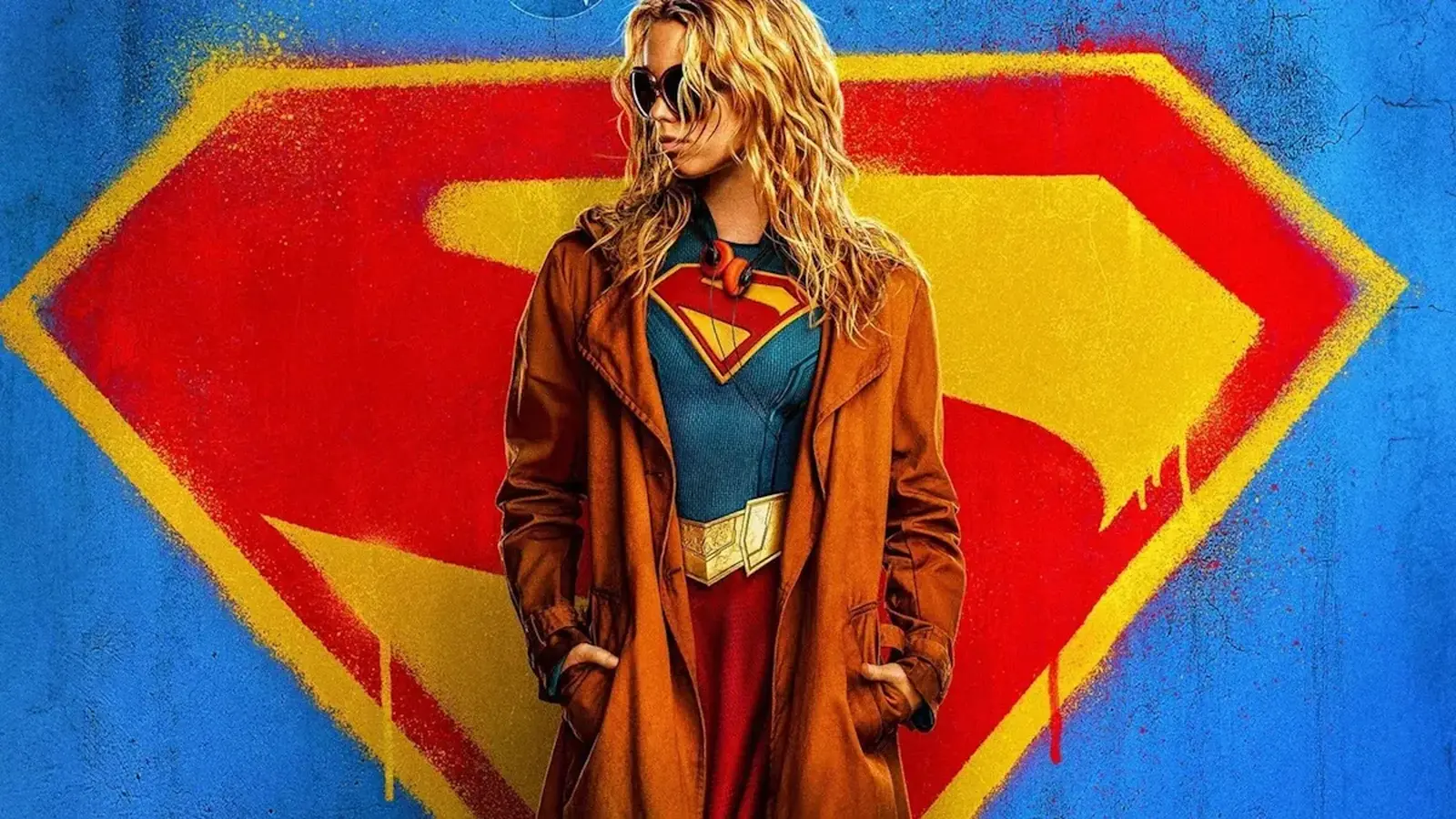
When the lights go down on Supergirl, you leave with one clear image: a vivid, messy attempt to reinvent a classic. It’s bold. It’s flawed. And it announces, loudly, that DCU under James Gunn wants to try new tones — even if the landing is rocky.
On paper the numbers are brutal. With a reported $170 million production budget and just about $126 million at the global box office, Supergirl ranks among the more surprising commercial disappointments of the year. Critics and audiences will parse those figures, but the movie’s real story lives in performance choices, tonal experiments, and a script that can’t quite hold the weight of its ambitions.

Supergirl’s comic roots go way back. Superman first flew into Action Comics in 1938. Two decades later, in 1959, Kara Zor-El arrived in Action Comics #252 as Supergirl — a cousin to the Man of Steel who blended brains, charisma, and Kryptonian power. On television she has been ubiquitous: animated shows, the CW’s Supergirl series from 2015 to 2021, six seasons that cemented her as a fan-favorite. On the big screen, however, the record is thin. The 1984 Supergirl film remains a cautionary footnote — quaint at times, baffling at others — and the character has mostly been absent from cinema since then.

Millie Alcock’s Supergirl is the third major cinematic incarnation and the first to attempt a modern, grounded edge. This Kara is 23. She’s messy. She drinks. She sleeps on couches. She’s irreverent and magnetic. Alcock, known to many from House of the Dragon, gives a performance that feels lived-in. She finds nuance in a script that often does not.

Alcock is the film’s single most persuasive element. She makes choices that sell the character’s contradictions: childish brashness and an aching loneliness. The opening sequence — a jittery, kinetic montage set to Sleigh Bells’ “This Summer” — introduces a protagonist who is more antihero than polished savior. It’s a refreshing pivot away from the prim, dutiful superwoman trope. The movie’s comedic moments land because they grow organically from Alcock’s choices rather than from forced punchlines.

Director Craig Gillespie brings useful experience working with complex female leads; his credits (I, Tonya; Cruella) suggest he knows how to marry eccentricity with empathy. He extracts a charismatic, watchable Supergirl. Yet the same steady hand can't rescue other elements. The screenplay, credited to Anna Nogueira, shows signs of inexperience. Character beats wobble. Motivations slip through the cracks. With a franchise in its infancy, handing such an important character study to a largely untested writer feels like a gamble that didn’t fully pay off.


Take Ruthie, the revenge-driven partner who hooks into Kara’s orbit. Her tragedy — a massacre meant to justify a path of vengeance — is staged in ways that feel familiar and thin. Emotional scaffolding is missing. We see the cruelty; we don’t feel it in our bones. The result is that the film struggles to build a credible emotional connection between the two women, which in turn undercuts the movie’s chosen theme: grief and how people survive it.
And then there’s the villain, Krem, whose motivations should provide moral friction and ideological weight. Instead, his arc reads like a cartoonish throwback: one-dimensional and under-explained. Modern blockbusters have shifted toward complex antagonists — sympathetic even — but Supergirl retreats into broad strokes here, leaving the conflict flatter than it needs to be.

Jason Momoa’s Lobo arrives with fanfare but leaves as an oddly empty cameo. The character is energetic, sure, but stripped of nuance. It’s as if a cutout from the comics was animated and placed on screen. That choice may be strategic — seeding a larger plan for DCU — but it weakens the film in the moment.
Visually, the picture is competent. Effects rarely distract. Flight sequences — especially those echoing the tactile feel of James Gunn’s Superman film — are surprisingly grounded and convincing. The production design plays it safe; there are few bold, memorable visual flourishes. The film’s comedy, however, is a genuine success. Many laughs come from situational setups rather than cheap gag-writing, and certain scenes, like a bar showdown where Supergirl wagers on an arm-wrestle, land with real charm.
Where the film fails most markedly is in its attempts at tragedy. Flashbacks meant to deepen Kara’s past and the destruction of Krypton are flat. The expected emotional resonance of a hero’s origin never fully arrives because the people populating that past are not rendered with humanity. When flashbacks are perfunctory, the theme of mourning — the film’s stated core — struggles to take hold.

DCU ties and what comes next
Supergirl is not a standalone. It’s part of James Gunn’s broader DCU blueprint. David Corenswet’s Superman appears in multiple cameos that work well enough to promise future team-ups. Next year’s Man of Tomorrow, directed by Gunn, is already set to feature both Corenswet and Alcock. This film’s most important mission, arguably, is world-building: to introduce a distinct, female-led Kryptonian whose chemistry with Superman can be explored in future installments. On that front, Supergirl largely succeeds.
So how to grade it? The movie makes brave creative choices. It creates a female superhero who is messy, modern, and magnetic. It lands as a tonal experiment: half sharp comedy, half unfulfilled tragedy. It stumbles where characterization and villains matter most. The audience who comes for a new kind of heroine will find sparks worth following. Those looking for a fully formed, emotionally airtight blockbuster may walk away disappointed.
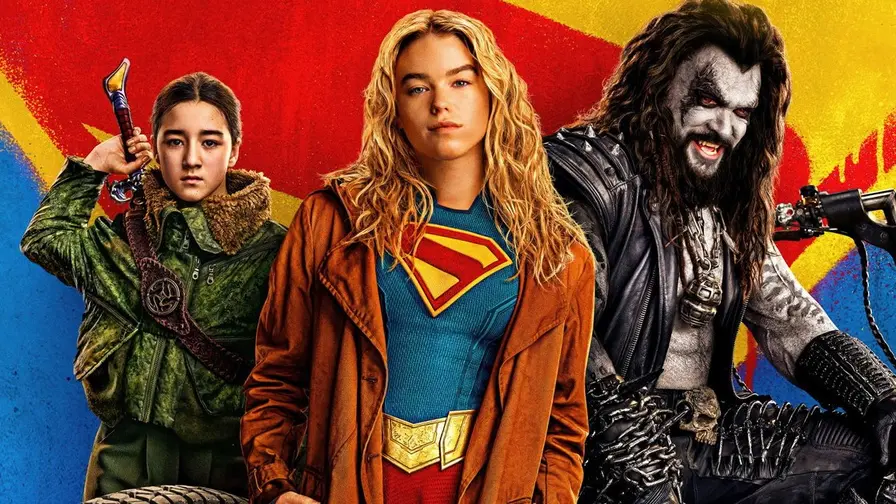
Final note: the film earns a place in the emerging DCU — imperfect, provocative, and clearly eager to keep the conversation going.

Leave a Comment
Comments (2)
Krem one note? feels like lazy writing, and Lobo's cameo was oddly empty. Are they saving it for later or just sloppy? if thats the plan, risky move
wow didnt expect this take. Millie Alcock feels like a revelation, messy script tho, some scenes hit hard others just fall flat. curious where DCU goes next if they can nail the tone