
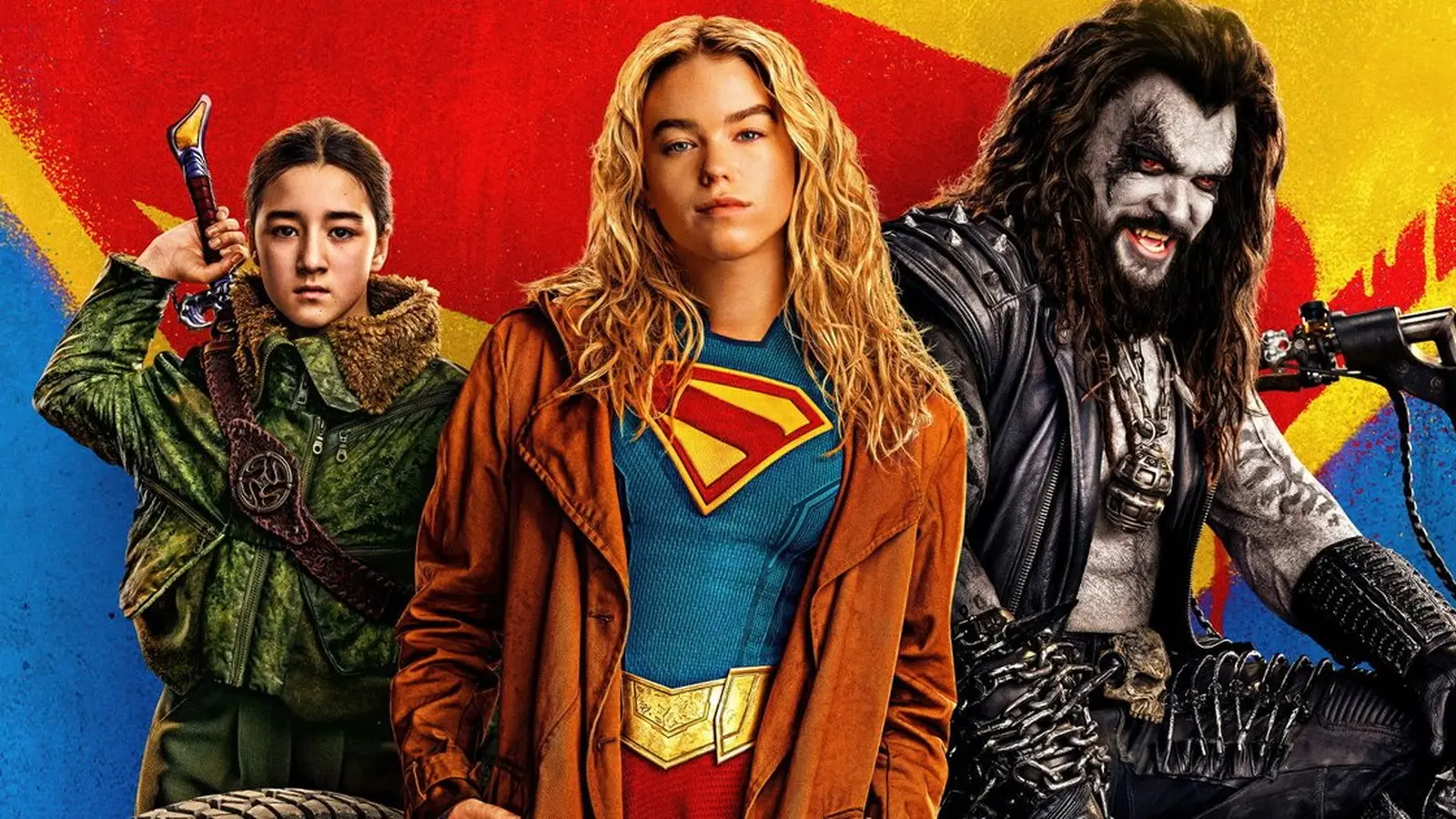
It starts with a scream and then a grin. Supergirl lands in the DCU not as a side note but as a living, breathing force—messy, funny, and surprisingly tender. Millie Alcock bursts onto the screen with a confidence that immediately rewrites expectations. Short sentences. Big presence.
Critics who saw early screenings are talking. The consensus isn’t bland applause; it’s relief mixed with delight. ScreenRant’s review highlights Alcock’s magnetic performance and how she captures a heroine who’s gloriously unruly and fully focused when the moment demands it. It’s the kind of acting that makes you forget you’re watching an origin tale and instead feel like you’re witnessing the arrival of a new franchise pulse.
Then there’s The Mary Sue, which confessed to getting exactly what fans hoped for: a Supergirl who isn’t a carbon copy of her famous cousin. Here, the film earns points for carving out Cara’s own identity—flawed, loud, and utterly heroic on her own terms. You sense the filmmakers wanted this heroine to feel independent, not derivative, and for many viewers that mission succeeds.

Den of Geek calls the movie a heartfelt dose of old-school superhero storytelling, the kind that balances straightforward plot momentum with genuine emotional beats. Some scenes linger on domestic routine and small, human moments, and those quieter sequences pay off when the action erupts. Practical thrills are present, too; fights land with weight, and the stakes feel earned.
One recurring compliment across reviews is how the film handles scale and tone. Multiverse of Color praises the picture as a surprisingly emotional solo adventure that stakes out Kara’s identity apart from Superman while expanding the DCU’s connective tissue. It’s brisk. It’s compact. And it knows when to let a quieter note breathe before slamming into spectacle.
ComicBook’s take leans playful and vivid: imagine mixing Guardians of the Galaxy’s space hustle, True Grit’s grit, and Mad Max’s sand-in-your-teeth aesthetic. That mash-up somehow works. Practical effects, prosthetics, and puppetry earn near-Oscar level nods from some critics—Krypton looks lived-in and tactile, not CGI slick. Jason Momoa’s Lobo is loud, irreverent, and apparently having the time of his life, while David Corenswet’s cameo as Superman brings an easy, smile-inducing warmth every time he’s on screen.

Not everyone is swept off their feet. A few voices point to uneven adaptation choices and a villain who doesn’t always register as a true threat. Mama’s Geeky offers a tempered response: great performances from Alcock and Momoa, but some creative decisions feel like missed chances. In short: the film is more than fine, but not flawless.
DCU Brief frames the film as bold and enlivening—an energetic Craig Gillespie directs with a kinetic pulse, pairing punchy action with standout music cues. The pacing swings fast; the narrative is tighter and more focused than some sprawling superhero epics. Small but clever changes from the comics help the story feel fresh while preserving fan-favorite beats.
Millie Alcock owns the part; this Supergirl will change how you picture the character going forward.
So what does all this mean for the DCU? It suggests a willingness to take tonal risks, to let characters arrive with messy humanity instead of polished perfection. It’s a recalibration—less icon worship, more lived-in adventure. And yes, the movie still wants to be fun. It just remembers to be honest along the way.
Supergirl opens in theaters June 26, 2026. Will you be there opening weekend to see if Millie Alcock truly makes the role her own?


Leave a Comment
Comments
No comments yet. Be the first.