
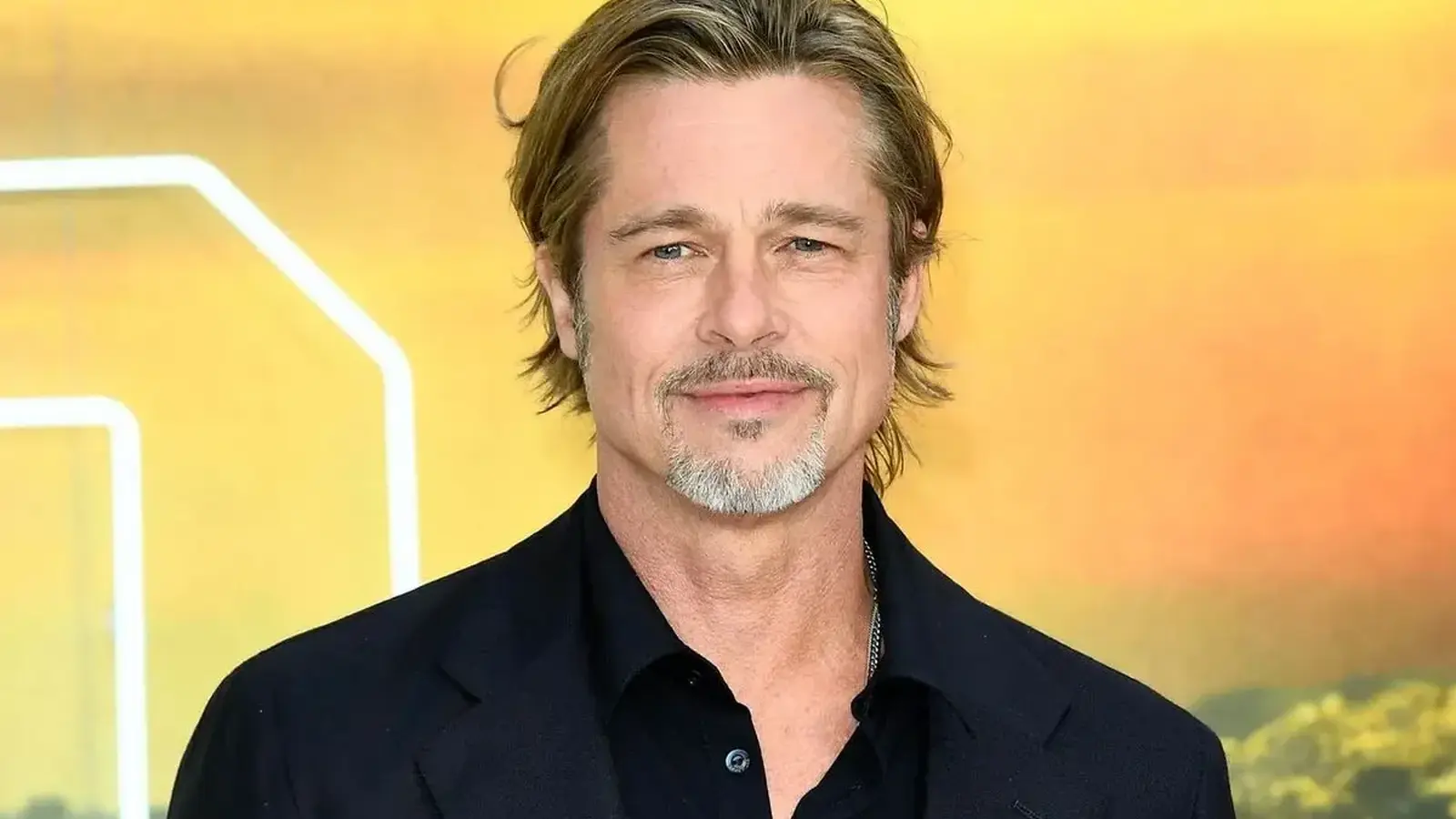
Brad Pitt believes the next chapter for mid‑budget cinema might come not from studios but from algorithms. He doesn't romanticize tech. He isn't afraid of it either. He sees AI as a practical tool that could tilt the economics back in favor of films that sit between indie frugality and blockbuster excess.
In a recent interview with Esquire, Pitt talked about a use of AI that makes immediate sense: visual effects. Big VFX sequences used to mean big budgets. Now imagine achieving similar looks without blowing past a $40–$90 million price point. That's where AI can be a game changer—streamlining craft, reducing time at the expense of heavy manpower, and freeing cash for story and cast.
Is the technology a villain? Not necessarily. Pitt's stance is cautious and pragmatic. He warned that the ethics and choices behind the tool matter. Who programs it? Who curates the outputs? Those questions decide whether an AI-assisted shot feels honest or hollow. He argued that intent and authorship determine whether the final image belongs to a filmmaker or to a machine.
When the conversation turned to whether AI could recreate one of his performances, his answer grew more complex. Yes, the pixels could be stitched together. Yes, an AI might approximate a cadence or a smile. But could it replicate the decisions he made in the moment—those small, often unconscious choices that become a performance? Pitt thinks not. The imprint of an actor is not only about appearance; it is a history of choices.
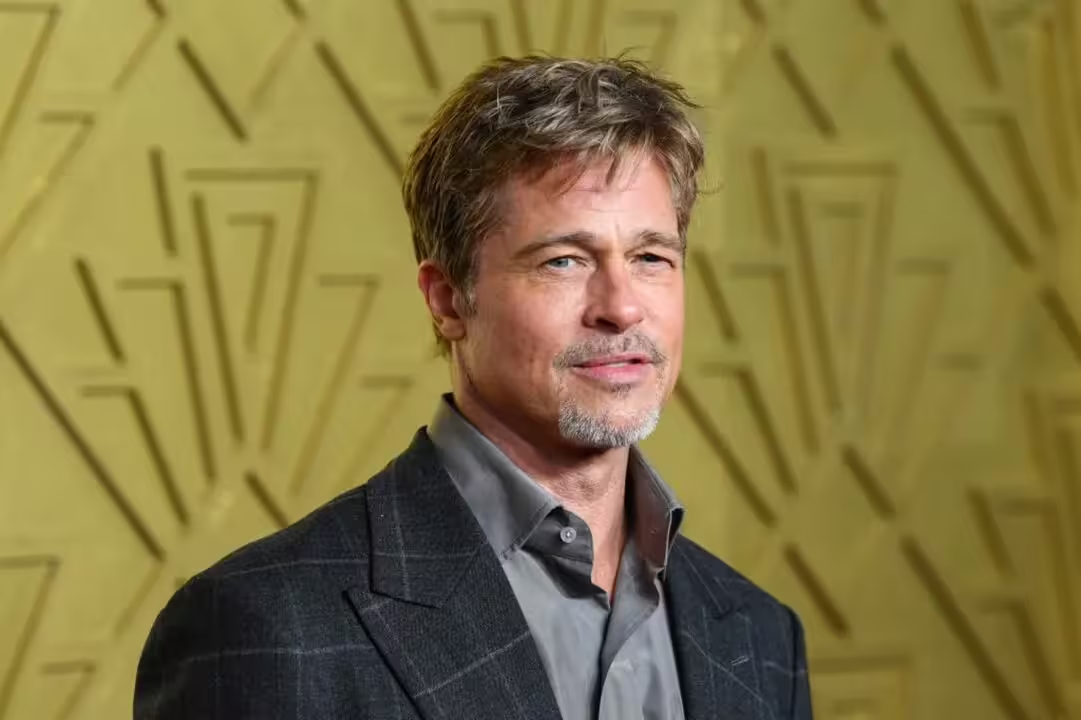
Used well, AI could be the tool that makes $40–$90 million films viable again.
He also confessed to having heard an AI‑generated song recently and admitted it sounded impressive. Yet he insisted the experience of listening to a real human voice—flawed, living, unpredictable—remains singular. That distinction, he said, is worth protecting even as creators experiment with synthetic options.
On the work front, Pitt has projects that feel grounded in the human element he defends. First up is Heart of the Beast, a survival story about a special forces soldier who survives a plane crash with his dog. Then there's a return to the role of Cliff Booth, connected to Once Upon a Time in Hollywood, in a project helmed by David Fincher. Both choices suggest Pitt is still drawn to character-driven material where nuance matters.
For filmmakers and producers, the takeaway is obvious: AI won't replace artistry, but it can expand possibilities—if creators keep steering the ship. For audiences, the exciting bit is that more mid‑budget films could mean fresher ideas, riskier scripts, and performances that matter. What would you like to see AI help make next?


Leave a Comment
Comments
No comments yet. Be the first.