
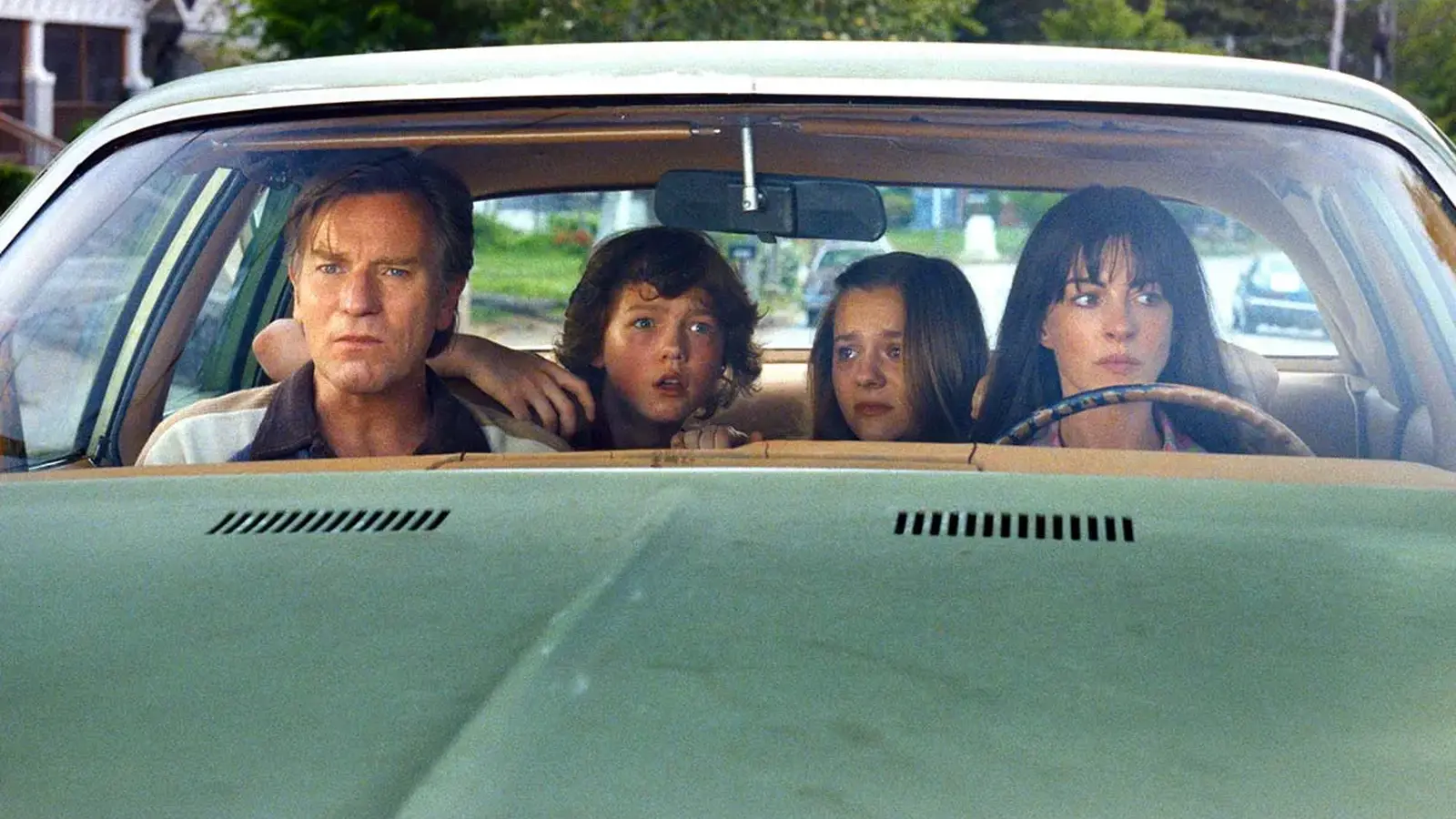
Quiet suburbs are supposed to be safe. Not in The End of Oak Street. The film opens like a postcard—white picket fences, easy routines—then rips a hole in it. Dinosaurs show up on the avenue. Panic follows. So does grief. So does stubborn hope.
David Robert Mitchell wrote, produced and directed this lean, genre-bending picture that stitches sci‑fi and survival into a family drama. Anne Hathaway leads a cast that includes Ewan McGregor, Mizi Stella and Christian Convery as members of a neighborhood clan who discover that prehistoric predators have moved into their lives—and their street. The monsters are literal. The stakes are painfully human.
Critics have largely welcomed Mitchell’s gamble. On Rotten Tomatoes the film sits at 83 percent from 99 reviews, while Metacritic’s score is 67 out of 100 based on 33 critics. Those numbers tell a story of broad affection, with some dissent—exactly the shape you’d expect for a movie that plays fast with nostalgia while trying to land emotional truth.
Not every review reads the same book. RogerEbert.com’s Zachary Lee gives the film a perfect score, calling it a cinematic miracle for finding room to breathe around the many layers of identity it explores. Slashfilm’s Bill Bria also awards 100/100, noting that Mitchell acknowledges loss—personal and cultural—without letting the story drown in it. The director, critics say, leaves a door open: we feel the sorrow, and he nudges us toward a way out.

Other voices emphasize tone and craft. IndieWire praises the movie as a skillful, playful homage to the Spielbergian spirit of the 1980s—Gremlins and The Goonies are evoked, but the film’s mischief feels fresh rather than parodic. Collider calls the picture a lively 90-minute ride: loud, bold, and built to startle. Empire admires Mitchell’s affectionate wink to Spielberg, insisting your inner seven‑year‑old will have a ball.
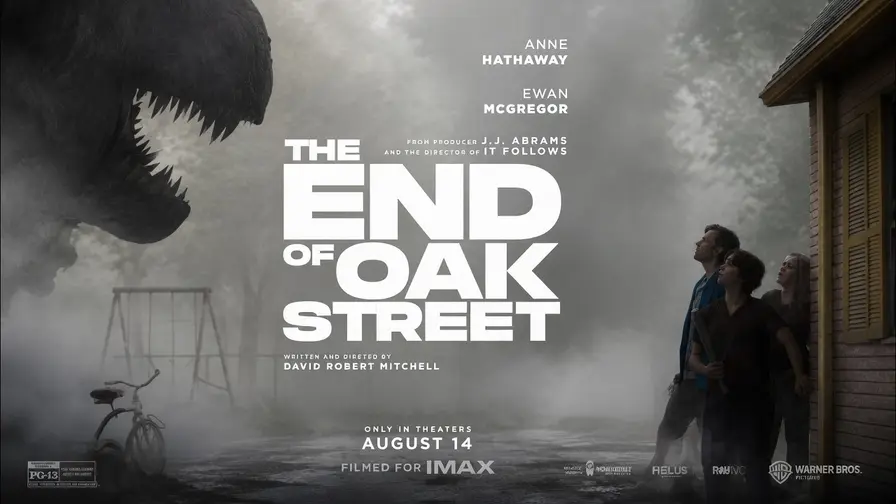
Yet some reviewers want more meat on the emotional bones. The Hollywood Reporter argues that the film sometimes flirts with unfocused fun, unsure whether it aims for pure amusement or deeper meaning. The Guardian suggests the movie can be entertaining on the surface while never fully committing to the convictions it displays.
And then there’s the middle ground: critics who see conspicuous influences but still reward the movie’s heart. IGN highlights standout moments and Hathaway’s committed turn, while Screen Rant applauds the film’s ability to be genuinely thrilling—complete with jump scares and shock—without pretending the creatures are anything other than brutal hunters. The A.V. Club calls the result refreshingly lively and oddly satisfying, if a little knowingly silly.
This is a summer picture that remembers how to make you feel both small and exhilarated at once.
Technically, the film leans into practical suspense more than CGI spectacle. That decision keeps the terror tactile and the humor crunchy, the sort of mix that can leave parents laughing and children slightly traumatized in the best possible way. It’s a movie that trades franchise scaffolding for pure, compact storytelling: a risk, and for many critics, a reward.
If you’re hunting for reasons to see it, look for the performances and the tonal tightrope. Hathaway anchors the family’s fear and tenderness; Mitchell balances nostalgic affection with a willingness to get messy; and the set pieces—when the prehistoric invaders burst onto Oak Street—remind you why creature features still matter when they’re done with both heart and bite.
So where does The End of Oak Street land? Somewhere between affectionate homage and fresh invention. It’s not flawless. It doesn’t pretend to be. But it makes an argument for why smaller-scale, emotionally aware genre films can still surprise audiences in a season dominated by formulas. Will you take the short walk down Oak Street and see for yourself?


Leave a Comment
Comments (2)
is this for real? sounds fun but 83% on RT with split reviews, hmm I want to see if it's more Spielberg homage or just nostalgia bait
wow, didnt expect dinosaurs in suburban grief movie. Hathaway nails the humanity, tho some bits felt rushed... curious if kids will actually love it or be traumatized lol