
3 Minutes
Spoiler alert: this piece digs into crucial plot points from Zack Kriger’s new Resident Evil film. Read only if you’ve seen it or don’t mind the spoilers.
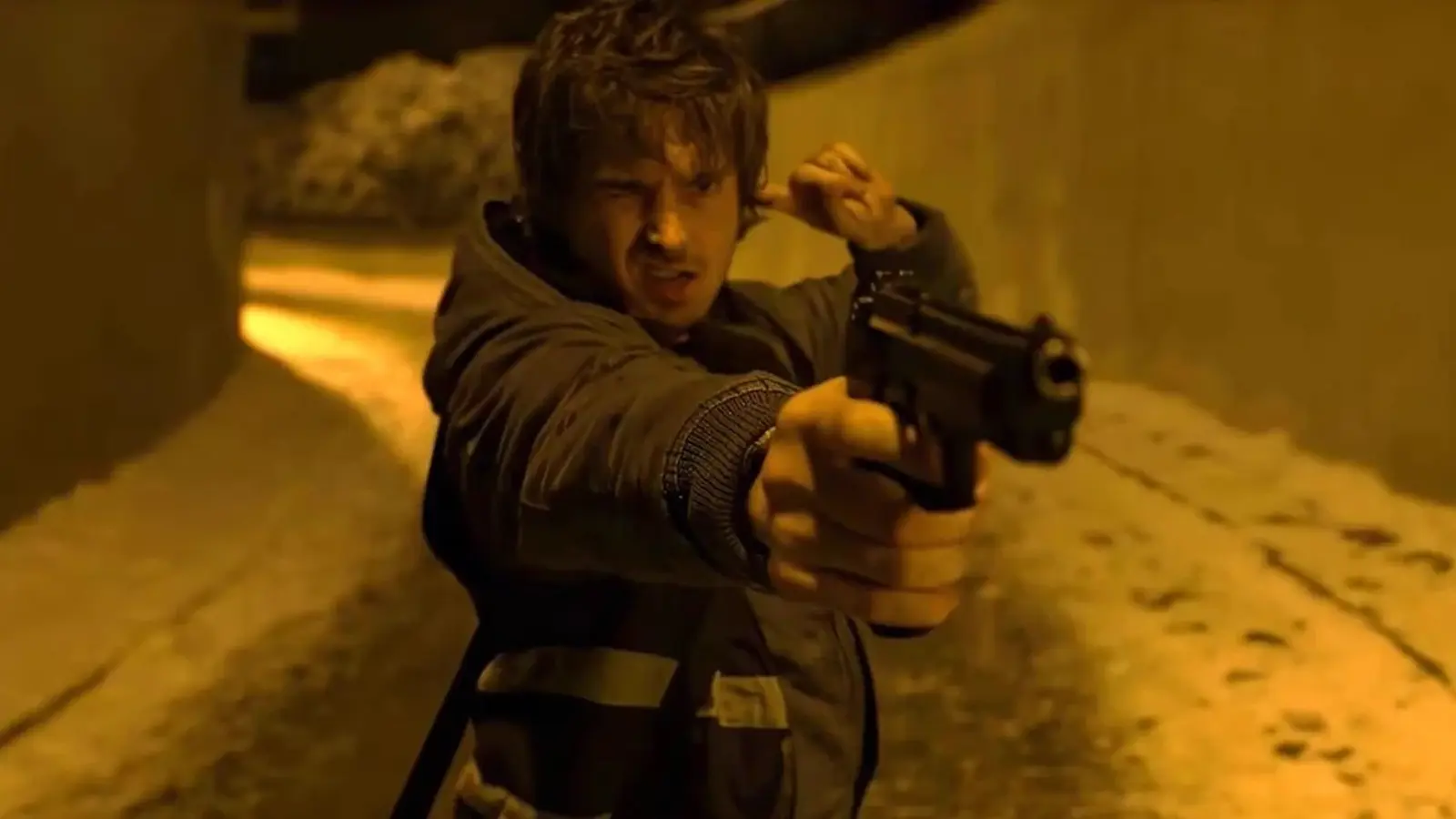
It doesn’t close so much as it detonates. One instant you’re sprinting through a blaze of decaying flesh and frantic research notes. The next: a hospital lab, a syringe, and a single bite that turns everything sideways.
Brian Hodekavich, played by Austin Abrams, arrives in Raccoon City like an unwilling Trojan horse. A delivery driver by trade, a soon-to-be father by fate, he carries what the film frames as the last fragile hope—an antidote that could change everything. Raccoon City itself is quieter on the surface than in the nightmares of the franchise. But below, Umbrella’s secrets fester. The film leans into those familiar horrors: rotting skin, violent mutations, and the grotesque logic of a bio-weapon gone wrong.
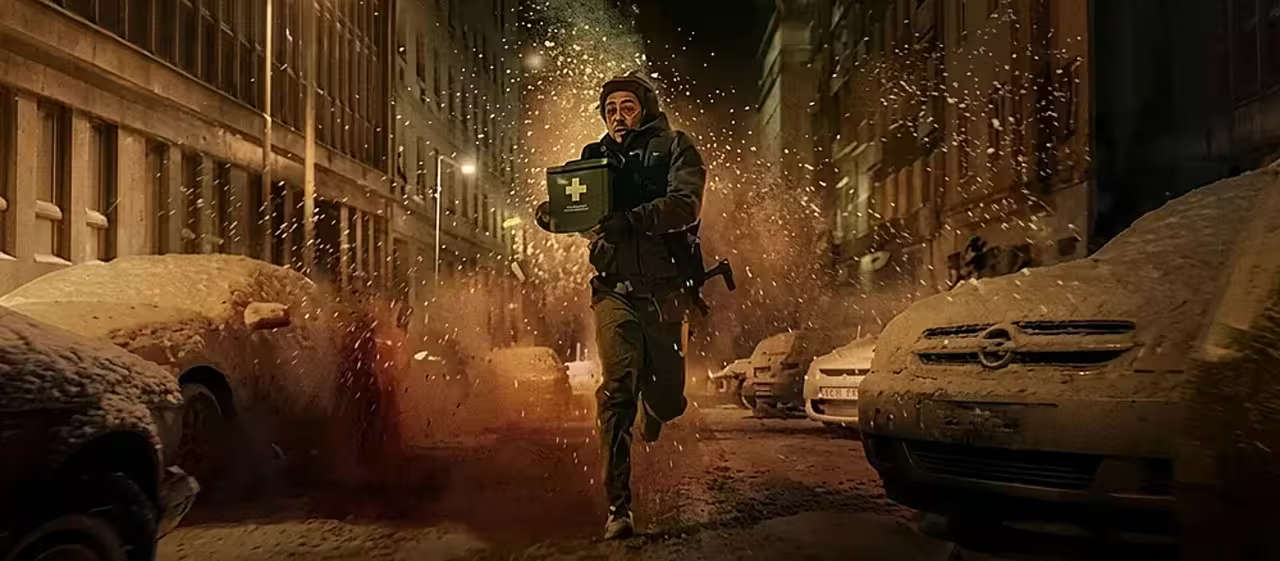
Kriger stages the final act with video-game flair. The chase funnels into the hospital’s top-floor lab, a trope longtime fans will recognize: researchers barricaded against the impossible, clues scattered across fluorescent tiles, and the ticking clock of infection. Brian’s wound, treated like a countdown, gives the film its most brutal pivot. Scientists think they have the cure. They nearly have the cure. Then fate—and a bite—say otherwise.
The transformation is grotesque and oddly theatrical, an evolution that reads like a boss fight designed for a console. Brian’s mutation consumes and fuses with the dead researchers, becoming something both familiar to players and freshly terrifying on screen. As a syringe containing the antidote slips from a scientist’s hand and tumbles through the ruined facility, the possibility that salvation still exists becomes the film’s central mystery. Did it survive the fall? Or was it lost in the rubble along with any hope of containment?
Helicopters cut across the smoky skyline. National Guard forces arrive, but the camera pulls back to show infection spreading beyond the hospital’s walls. The ending refuses neatness. It hands you both a cure and the taste of its absence at once.
That tension—that brittle balance between discovery and loss—is what transforms this movie from a straightforward adaptation into a real invitation. If the antidote survives, it rewrites the franchise’s usual script: instead of only fleeing or obliterating the source, characters would be forced into a hunt for restoration. If it’s destroyed, the film doubles down on hopelessness, on escalation.
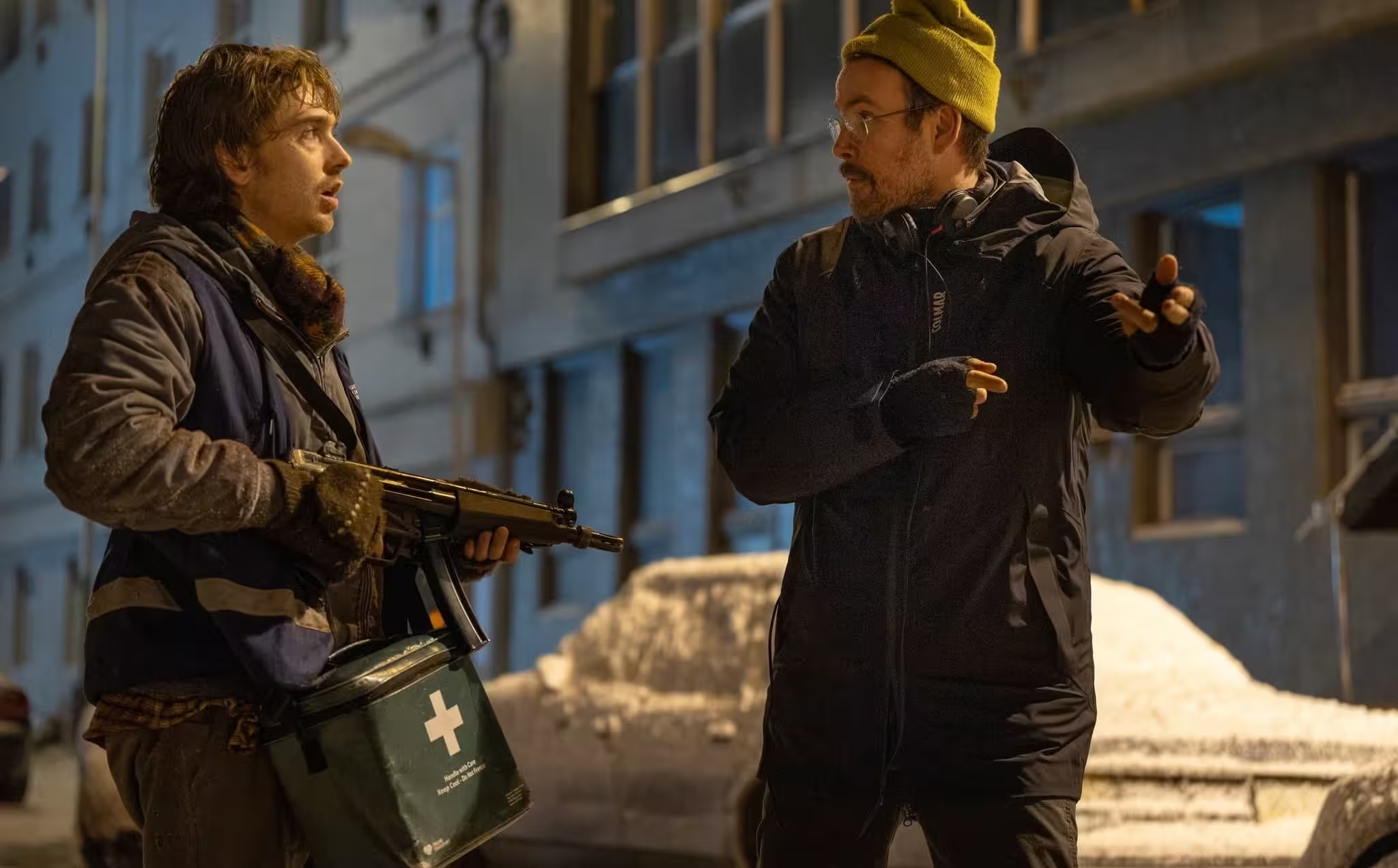
Kriger, according to an interview with Polygon, has sketched possible continuations but hasn’t publicly pushed for a franchise. Hollywood, as always, will have the final word if audiences turn up. Either way, the film’s final image—the syringe falling, the monstrous seed of what Brian becomes, and the city already slipping—feels intentionally plot-productive. It sets clear stakes for a follow-up without handing over easy answers.
So what would a sequel look like? A race to recover a fallen cure. Raids into Umbrella ruins. Moral compromises. The series has often married survival horror with scavenger-story urgency: rare ammo, rarer allies, and an even rarer solution. Kriger’s film plugs neatly into that lineage while adding a painful new question: what happens when the one chance to save people falls just out of reach?
It’s a small, cinematic twist with big franchise implications. One needle. One ruined lab. One city teetering toward full collapse. The next chapter—if it comes—might hinge on an object no bigger than a thumb and a choice no one is ready to make.

Leave a Comment
Comments
No comments yet. Be the first.