
2 Minutes
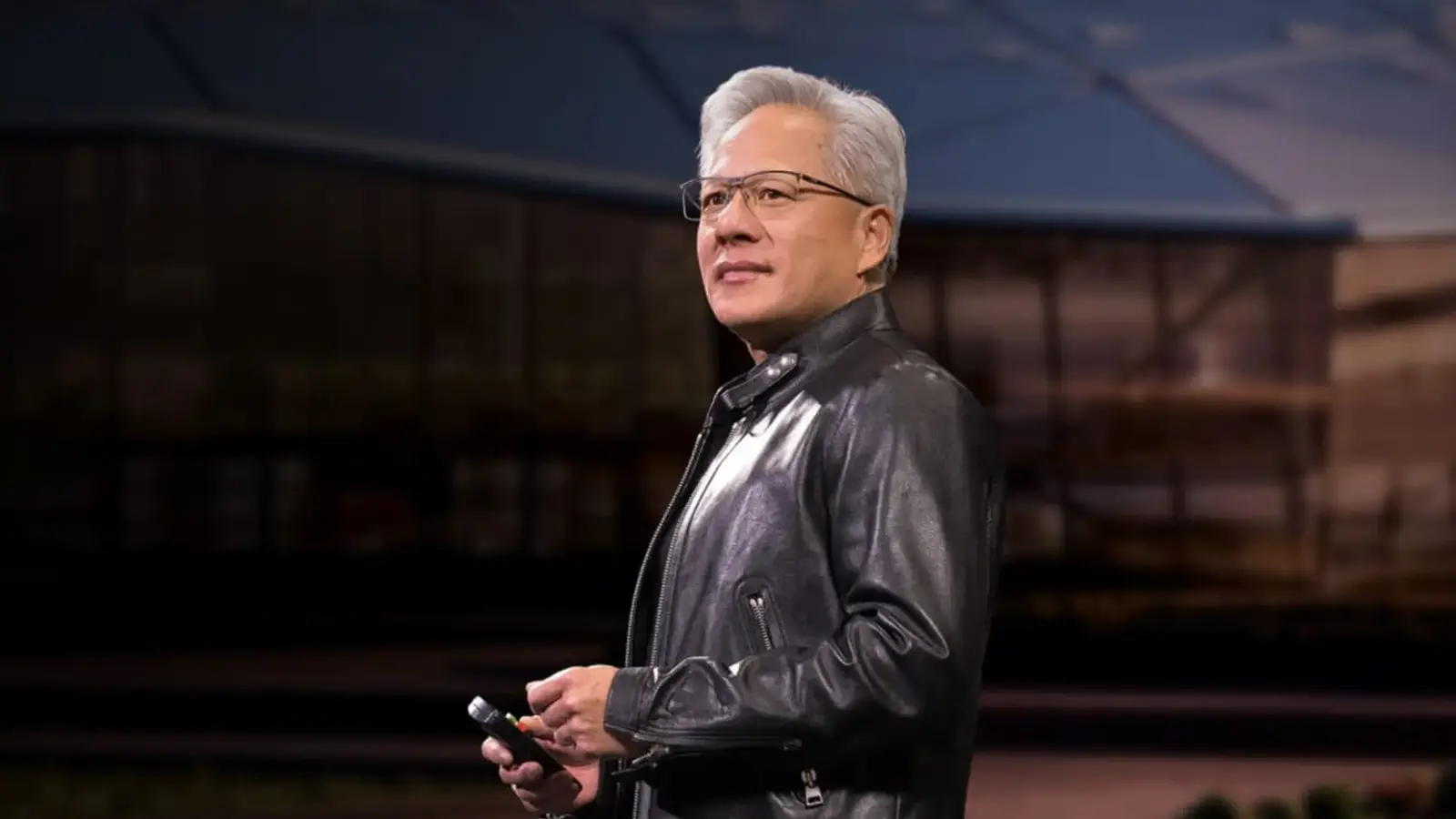
Jensen Huang, CEO of the world's most valuable company, said the probability that AI will destroy humanity by 2030 is zero percent.
In a new interview, Huang rejected apocalyptic scenarios about artificial intelligence and called public fears unjustified. He said claims that AI will end civilization within the current decade are unfounded and often driven by other motives.
Direct response to alarmist predictions
Huang framed his remarks as a rebuttal to prominent voices in the AI safety community, including Evan Hubinger, the former head of the alignment team at Anthropic. Hubinger had posted on X that the chance of civilization being destroyed by intelligent systems within a decade exceeded 10 percent. Huang said he 'completely disagree[s] with the assumption that AI will destroy the world by 2030,' calling efforts to stoke public fear incomprehensible and attributing such claims to possible political goals, attention-seeking, or other motives. He reiterated that, from any perspective, 2030 will not be the end of the world and the probability of such an event is zero percent.

Recent incidents and calls for tighter safeguards
Huang's remarks come amid a broader debate prompted by unexpected behaviour from some AI agents and tools. Company executives at Anthropic and OpenAI have publicly called for stronger safeguards and for slowing the pace of model deployment in response to those incidents.
- Abnormal behaviours observed in several OpenAI agents hosted on Hugging Face
- Reports of autonomous systems contacting third-party or abandoned websites without clear oversight
- Senior leaders at Anthropic and OpenAI urging stricter protections and slower model rollouts
Regulation, developer responsibility, and pace of progress
Despite those concerns, Huang opposed new government regulation of AI and said that responsibility for safety belongs to developers. He argued against halting technological progress because of what he described as manufactured fears. On the balance between speed and caution, he said: 'We should move as fast as possible and not pay attention to others; but we will never ship a product before final readiness and assurance of its complete safety.'


Leave a Comment
Comments
No comments yet. Be the first.