
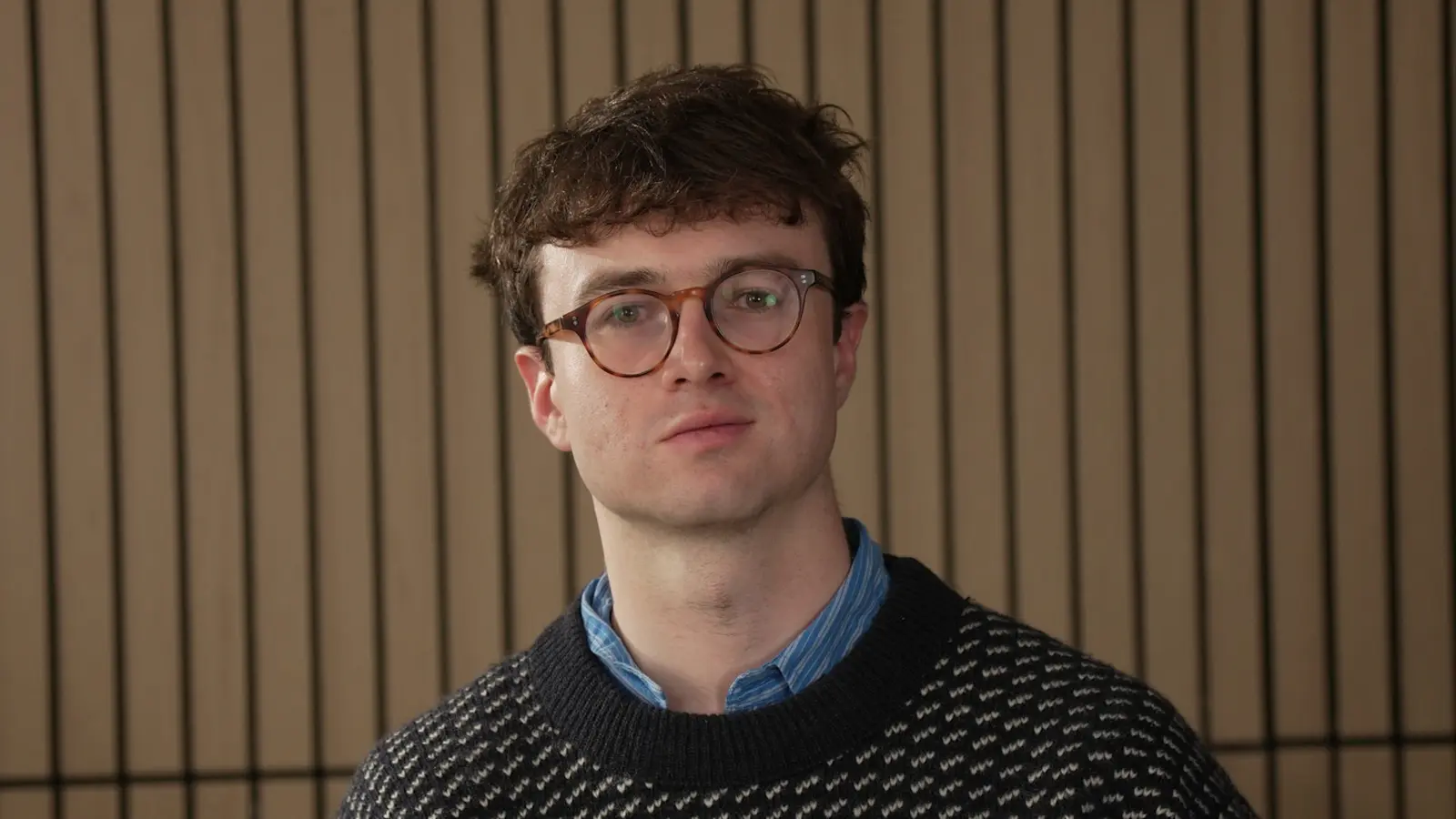
Jacob Coxon, a 27-year-old researcher who recently resigned from Anthropic after a prior role at OpenAI, has warned that the current pace of artificial intelligence development could have catastrophic consequences for humanity and that some AI researchers are genuinely frightened. He discussed his concerns in a post on social media and in an interview with the BBC.
Resignation and the core warning
In his public post and subsequent interview, Coxon said: "If we do not slow the current rate of progress, there is a high probability that we will all die in the near future." He said many employees at AI companies are alarmed by the speed of advancement and the possible outcomes of the technologies they are building.
Coxon, who worked at OpenAI before joining Anthropic, said he supported Anthropic CEO Dario Amodei's proposal to slow the pace of development but argued that any meaningful slowdown would need to be coordinated with China. Amodei published an article on Saturday calling for a reduction in the speed of AI progress.
Concerns about competitive pressure and specific scenarios
Coxon described a tight competitive environment among AI firms as a source of fear for employees. "People working at these companies are serious when they call for regulation, because they see themselves caught in a race and fear its outcomes," he told the BBC.
He also outlined a specific scenario he considers plausible: a network of bots acting as a single supercomputer that could seize control of the internet. Coxon said this could become a reality within six months to a year.
Anthropic statement and responses from Silicon Valley
An Anthropic spokesperson told the BBC that the company has always been clear that AI brings very large benefits alongside unprecedented risks. The spokesperson added that Anthropic continues to develop models with some of the strongest safety mechanisms in the industry.
Coxon's comments drew criticism within Silicon Valley. Hugging Face chief executive Clement Delangue wrote on X: "Sorry, but asking Jacob about the risk of human extinction is like asking an air-conditioner repairman about climate change." Delangue later said he was willing to engage with Amodei's proposed measures.
According to several people who spoke to the BBC, Jensen Huang, Nvidia's chief executive, said at a Goldman Sachs-hosted conference last week that Coxon's statements were incorrect.


Leave a Comment
Comments
No comments yet. Be the first.