
3 Minutes
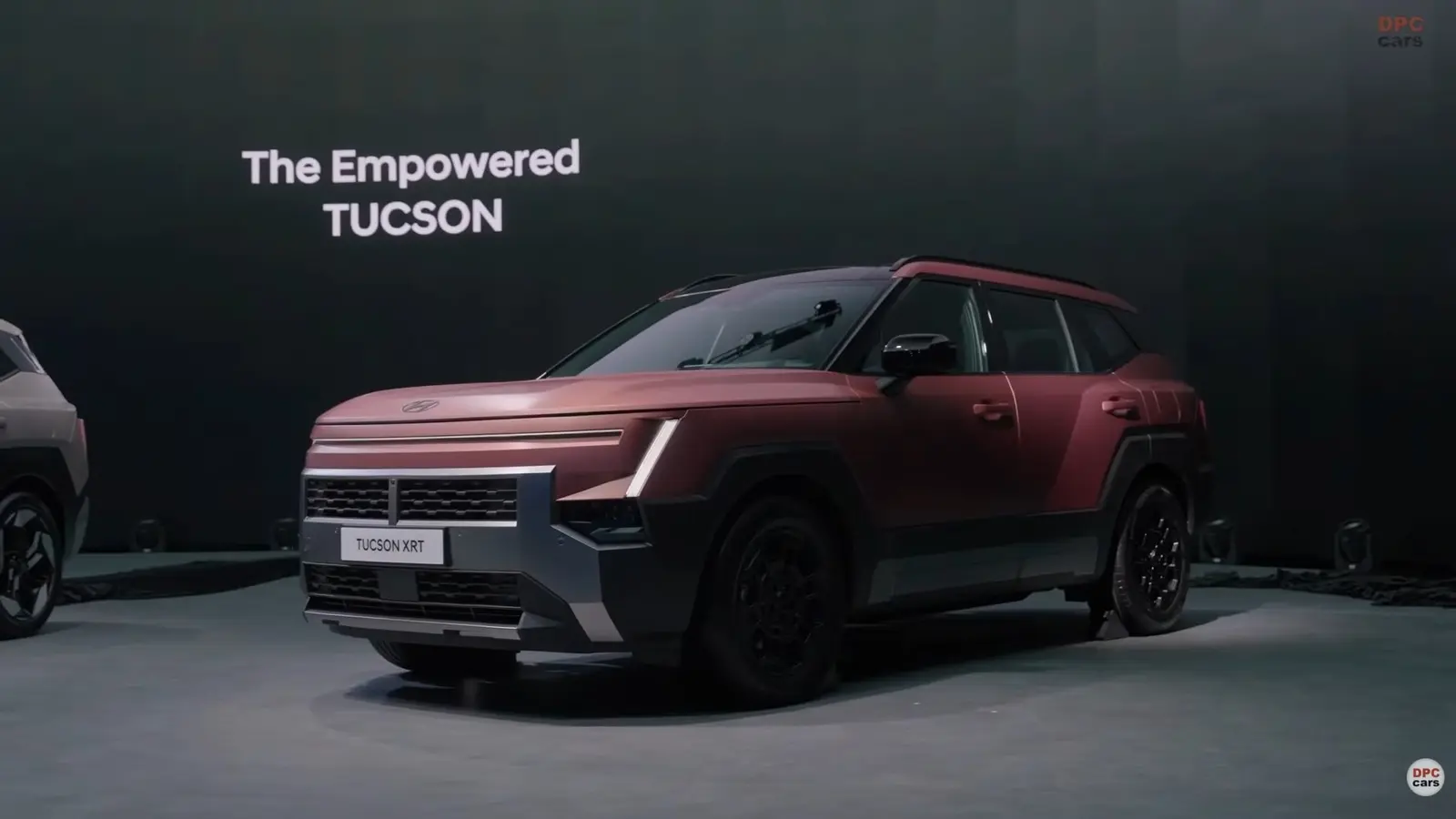
Hyundai has taken the wraps off the all-new 2027 Tucson and its more adventurous XRT variant at a media event in South Korea, revealing fresh technical and design details that expand on the NX5 fifth-generation preview shown online in KDM specification in August 2026, according to news outlets present.
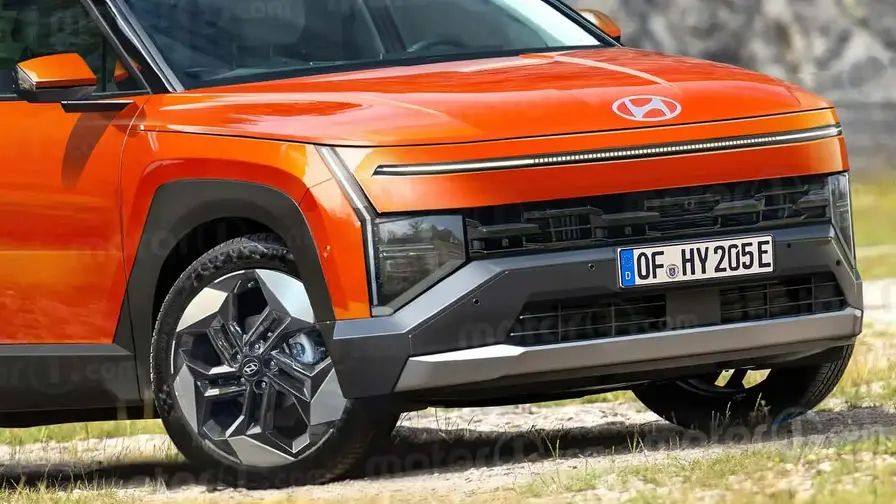
The headline is simple: the new Tucson has grown and been ruggedised. Hyundai's latest 'Art of Steel' design language gives the compact crossover a much tougher road presence than before, with pronounced fender flares and a new grille treatment that set the XRT apart from the regular model.
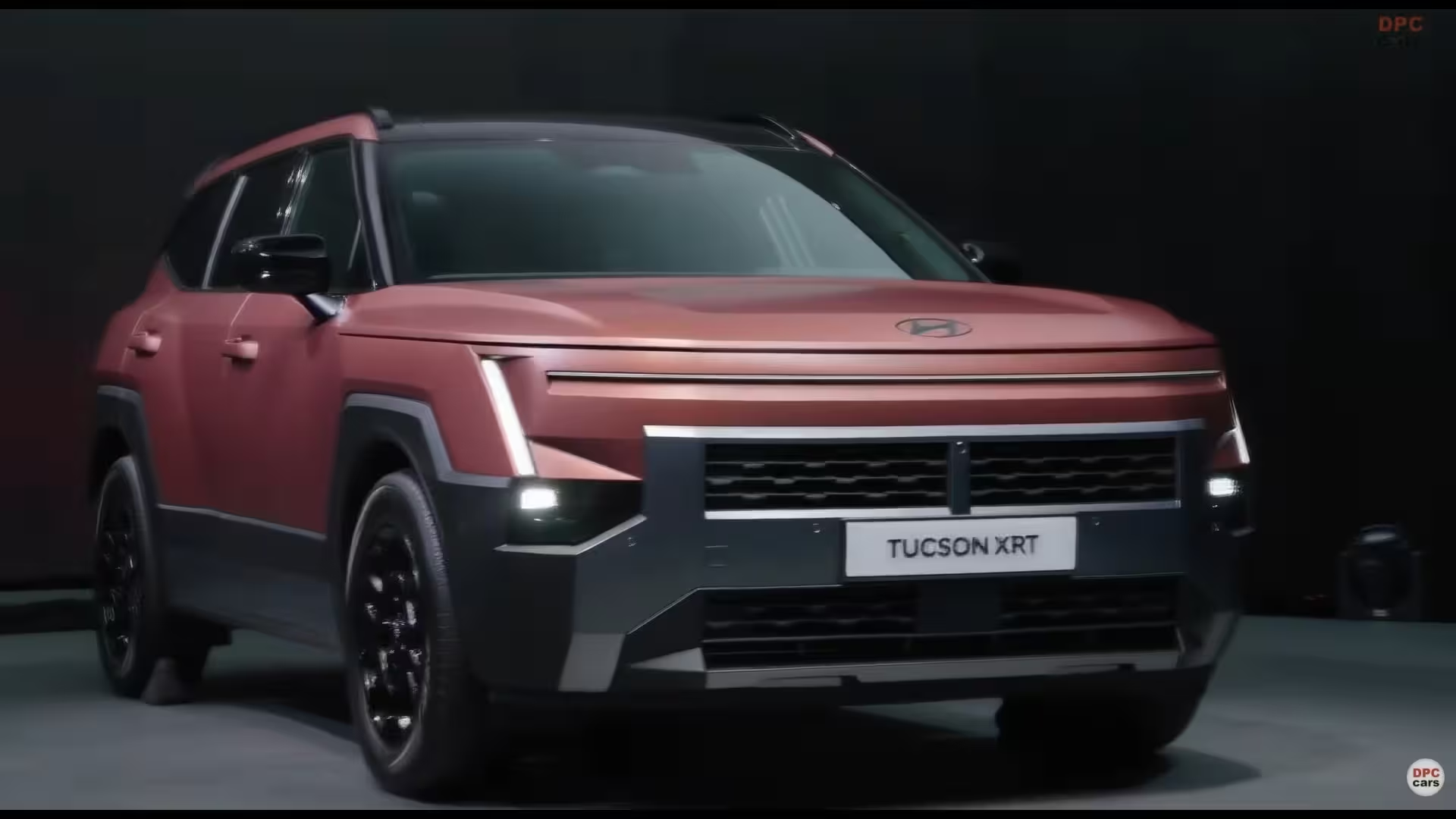
Exterior changes include split headlights and continuous front and rear light bars similar in concept to the Kona, but executed with different elements tailored to the Tucson. The XRT adds a chunky front skid plate, extended black plastic cladding around the wheel arches and bumpers and on the side doors, black wheels badged with XRT letters rather than the Hyundai logo, a version-specific rear bumper with its own skid plate and a tailgate that reads HTRAC to signal all-wheel drive.
Tougher styling, larger cabin
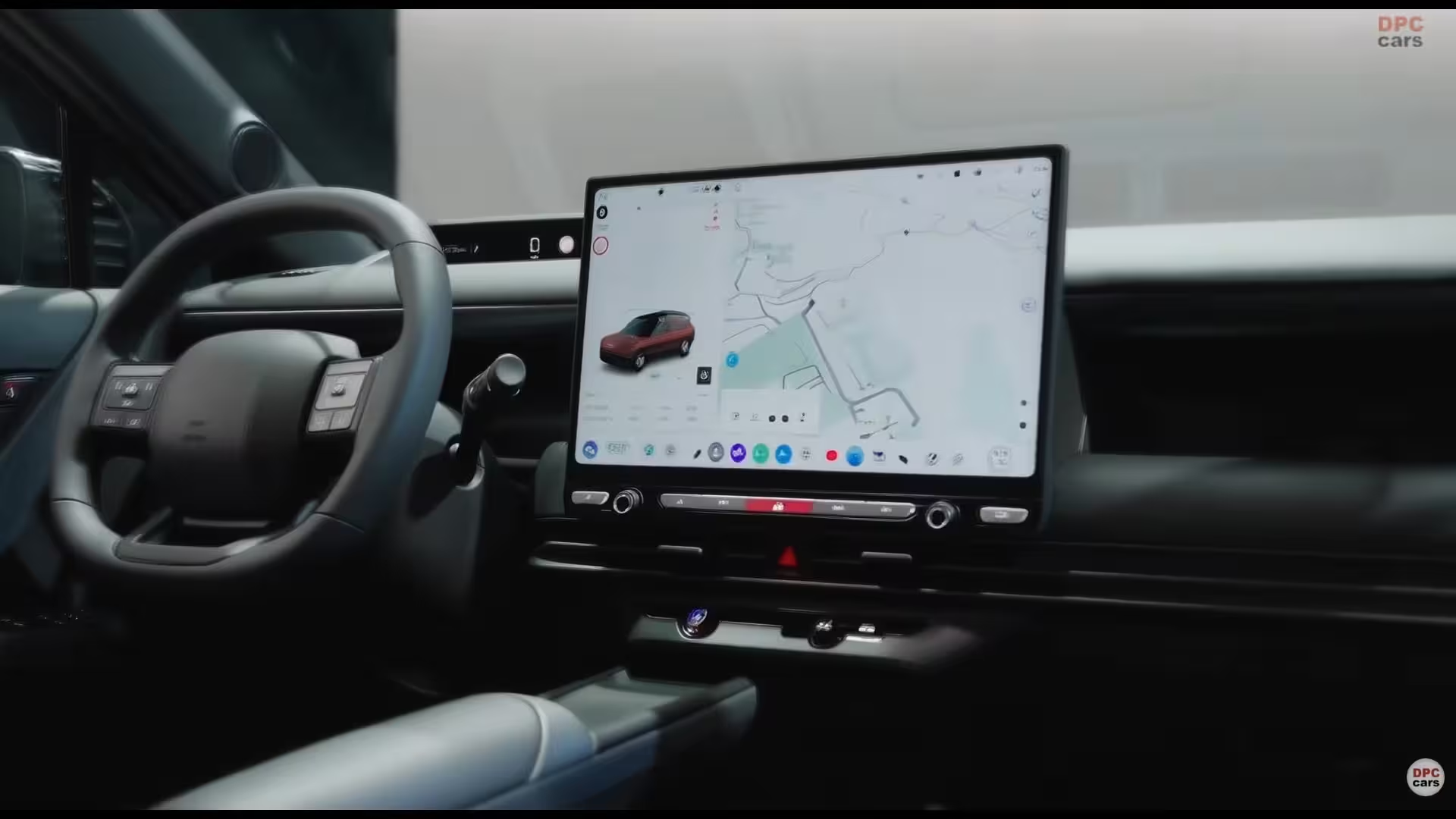
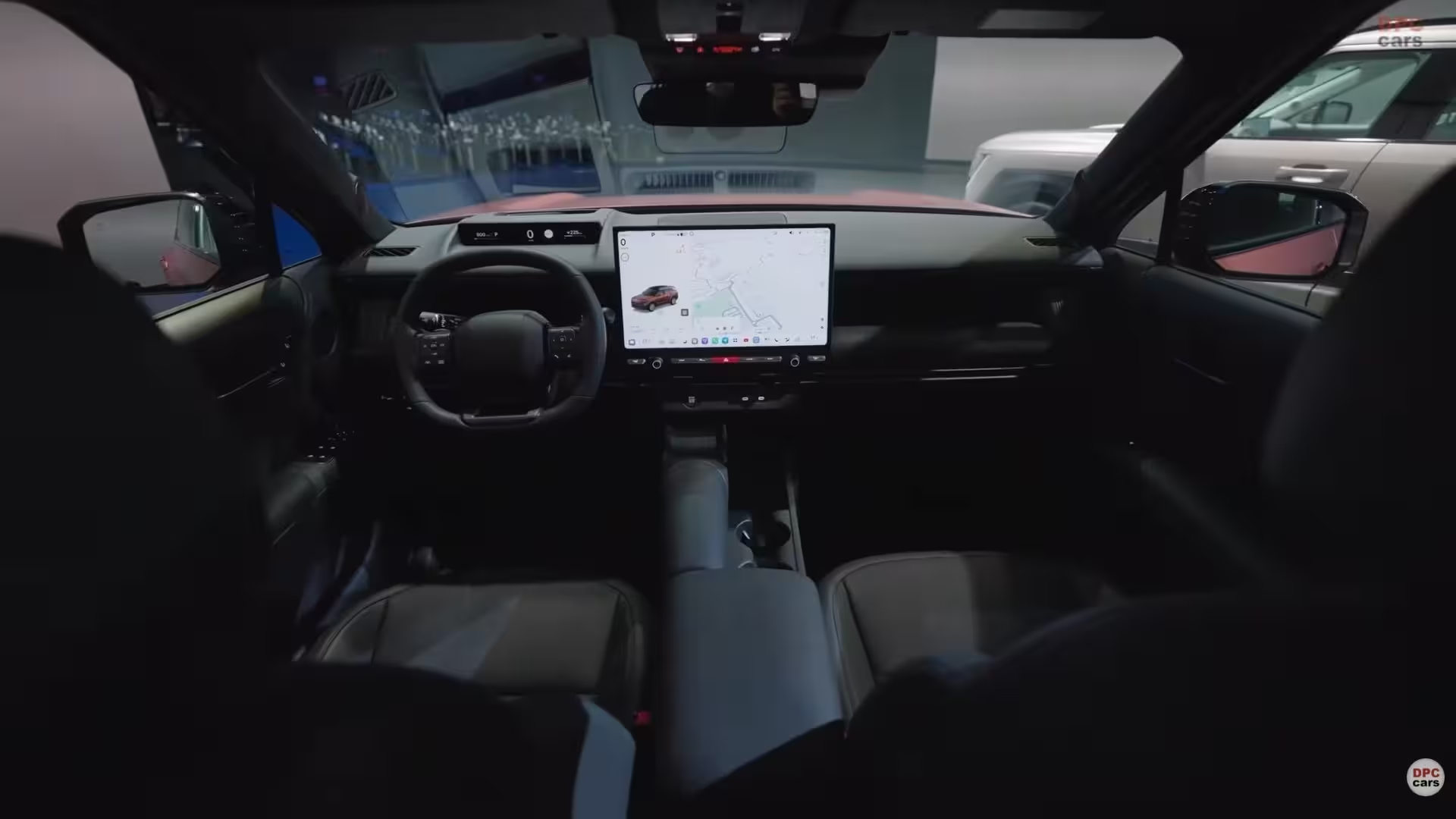
Inside, Hyundai has moved away from the one-piece dual-screen layout used previously. The cabin now features a very slim instrument cluster paired with a large 17-inch central display running the new Hyundai Pleos Connect infotainment suite. The XRT receives its own interior touches: protective floor mats, XRT-exclusive seat upholstery, darkened trim pieces and black plastic treatments finished with a forged-carbon inspired pattern to add a hint of luxury to the rugged theme.
Dimensionally the new Tucson is bigger across the board: it is 60 mm or 2.4 inches longer, 40 mm or 1.6 inches wider, and the wheelbase has been stretched by 30 mm or 1.2 inches. The rear door opens wider, offering an 83-degree aperture for easier access to the back seat.
Despite the growth, Hyundai says the Tucson is its most aerodynamic to date. The drag coefficient has been reduced from 0.33 to 0.30. The company also cites improved NVH through extra noise insulation, thicker glass and revised engine and transmission mounts.
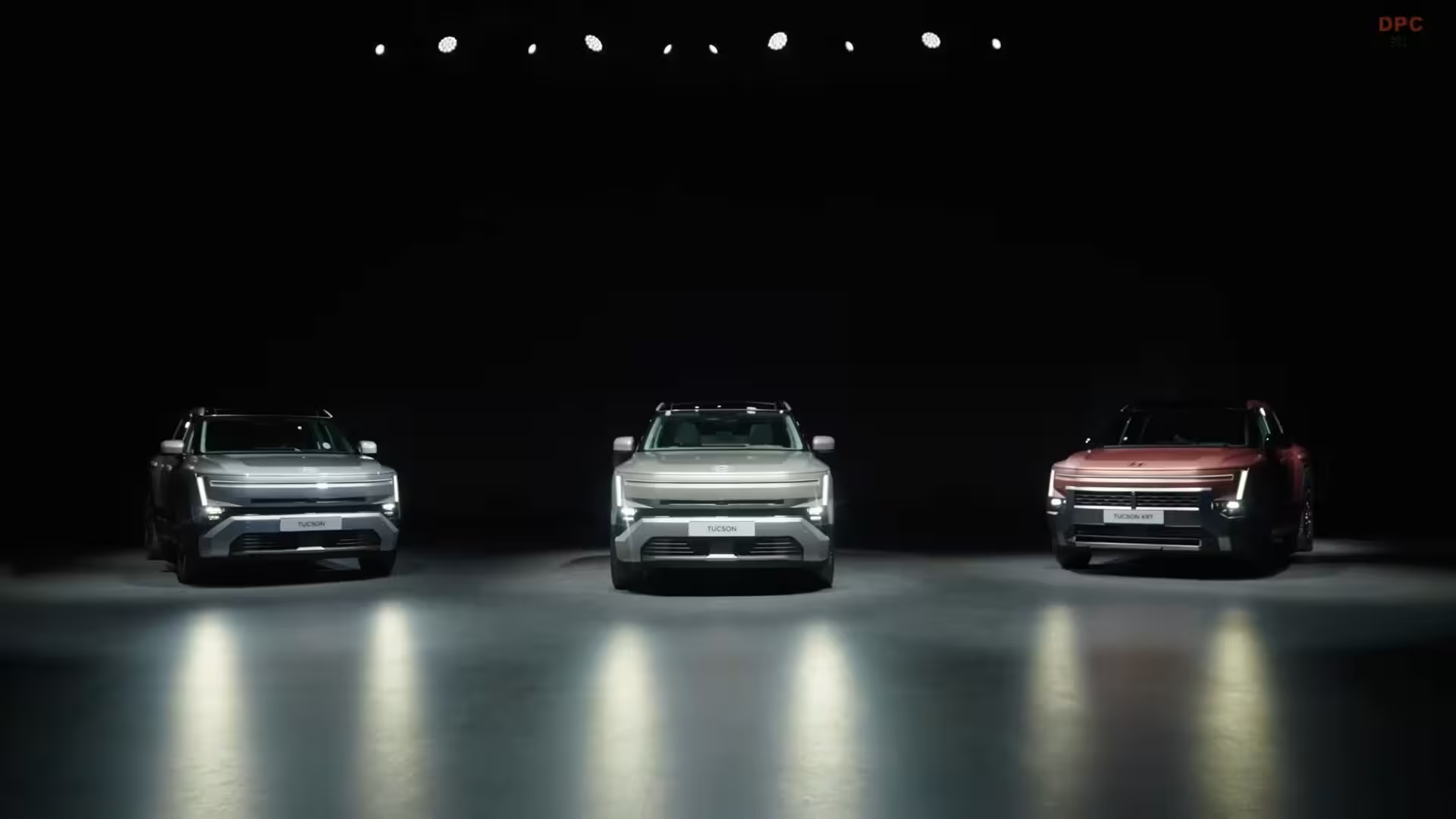
Hyundai showcased both production-intent examples and a number of unofficial photos circulated after the event. The new generation is due to arrive at dealerships in South Korea next month, and Hyundai has said local pricing will be announced ahead of launch.
Powertrain information for at least one derivative has also leaked. The KDM-specific hybrid pairs a turbocharged 1.6-liter gasoline engine with electrification and is reported to deliver 242 hp and 280 lb-ft or 380 Nm of torque, an increase of 11 hp and 9 lb-ft or 12 Nm over the outgoing hybrid. Hyundai's figures suggest a 0.3 second improvement in acceleration and fuel consumption around 41 MPG, though those numbers apply to the Korean Domestic Market hybrid and may not reflect European or North American specifications.
Hyundai's home-market reveal underlines the brand's intent to offer a more robust, better-equipped Tucson range worldwide. For now, the confirmed facts are the NX5 fifth-generation design, the XRT's off-road-inspired appointments and the KDM hybrid's 242 hp and 280 lb-ft (380 Nm) figures, with dealers in South Korea set to receive the new models in October 2026.

Leave a Comment
Comments
No comments yet. Be the first.