
3 Minutes
It hits like a conversation you overhear in a café and then can’t stop thinking about. Youth arrives with a wink and a throb — a romantic comedy that feels both familiar and quietly ambitious.
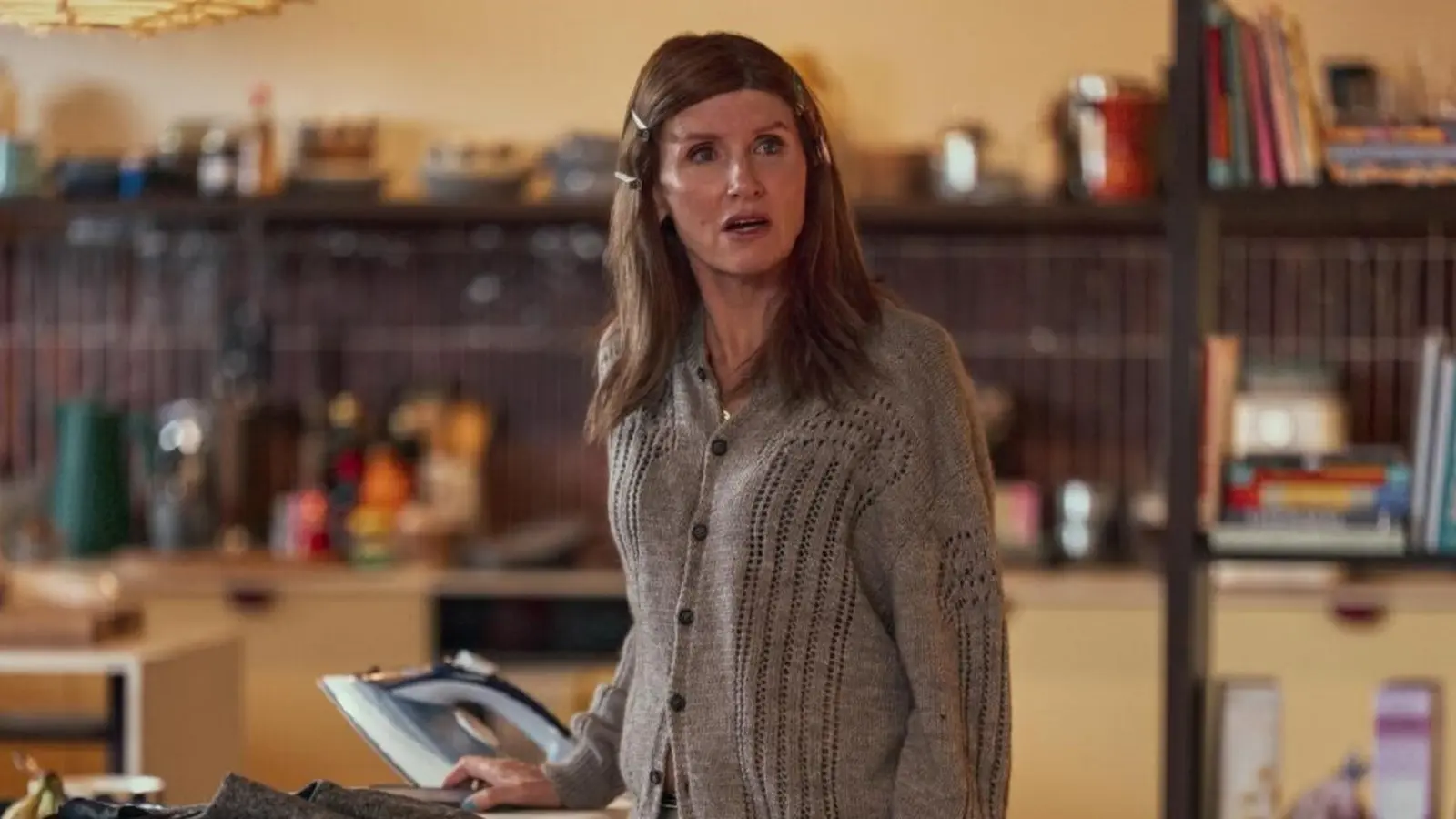
Sharon Horgan doesn’t just create this world; she steps into it as Alex, anchoring a cast that includes Rupert Friend as Patrick, Charlene White as Sam, Aran Murphy as Ruairí Flynn and Robbie Gee as Frank. The series unfolds around tangled relationships, midlife reckonings, and the messy ways people try to love better. Sometimes they succeed. Often they don’t. And that’s the point.
There’s a convivial tone to Youth. Laughter sits beside tenderness. The show mines the awkward, stubborn, human edges of adults learning to navigate change — empty nests, shifting desires, old habits that refuse to die. Horgan’s scripts are observant and frank; she writes with a sharpness that can cut and a warmth that stitches the cut back together.
Critics have noticed. On Rotten Tomatoes the series currently holds a 95% critics’ score from 19 reviews. Metacritic aggregates 13 critics and gives Youth an 83 out of 100. Those numbers tell a story of near-universal approval, but the words behind them are more revealing.
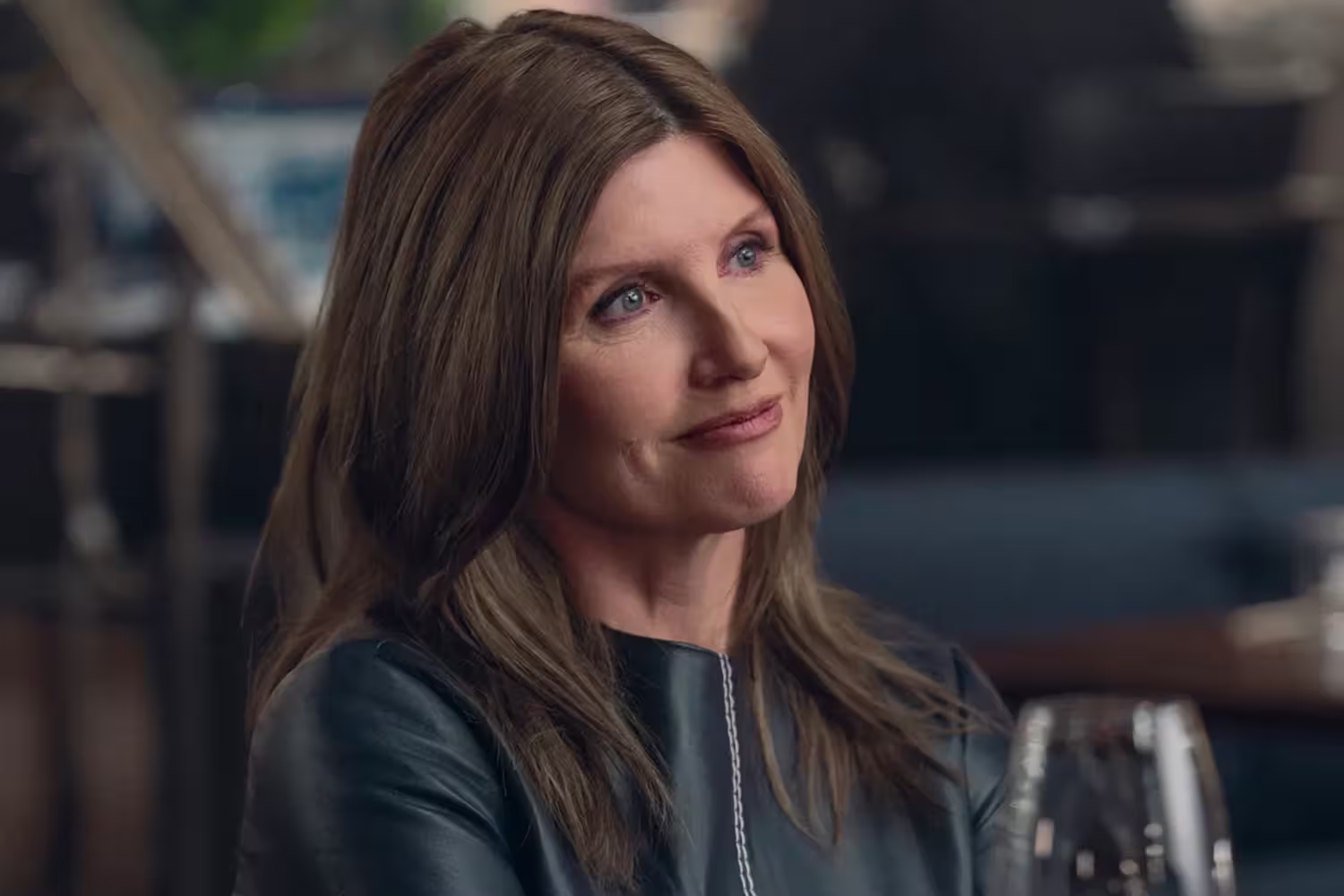
Lucy Mangan of The Guardian hands in a perfect score, arguing that Youth captures “all the heart and humour of human life” — an endorsement that points to the series’ emotional sweep rather than mere punchlines. Over at RogerEbert.com, Jen Chaney awards 90/100 and suggests Youth cements Horgan’s reputation as one of the best chroniclers of upper-middle-class, middle-aged women on television.
The A.V. Club’s Dante Chavez praises the pilot for doing what Horgan does best: pulling viewers in fast, the same skill seen in Pulling and Motherland. The Hollywood Reporter’s Angie Han (80/100) notices how the show is at its funniest when it lets Alex’s self-centered tendencies sit in the open, and she admires the quieter lesson at the center: getting older doesn’t automatically mean behaving better.
TheWrap’s Thelma Adams (80/100) highlights a fresh take on the empty-nest myth and applauds Horgan’s candid, sometimes brazen writing about sex, anger, and female desire. IndieWire’s Ben Travers (75/100) sees a series that is consistently self-aware, allowing Alex’s mistakes and small victories to feel human and earned.
Not every reviewer is entirely sold. Nick Hilton at The Independent (60/100) misses the sharper bite of Horgan’s earlier work, suggesting Youth occasionally softens her edges — as if a large American streamer trimmed some of the rougher contours, leaving warmth intact but muting the original spark.
Those divergent takes point to what makes Youth interesting: it’s a show that can be read as reassurance or as compromise, depending on what you bring to it. It aims to be funny and affecting in equal measure, and most of the time it lands both. Performance matters here. Horgan balances charm and exasperation. Friend and the supporting cast provide steady counterpoints, creating a textured group dynamic rather than a single-star vehicle.
If you’re looking for a romcom that treats adult life with patience and a little mischief, Youth has the goods. It won’t reinvent the wheel. But it polishes a familiar shape until it gleams.
Catch it on HBO — and decide for yourself which side of the argument you’re on.


Leave a Comment
Comments
No comments yet. Be the first.