
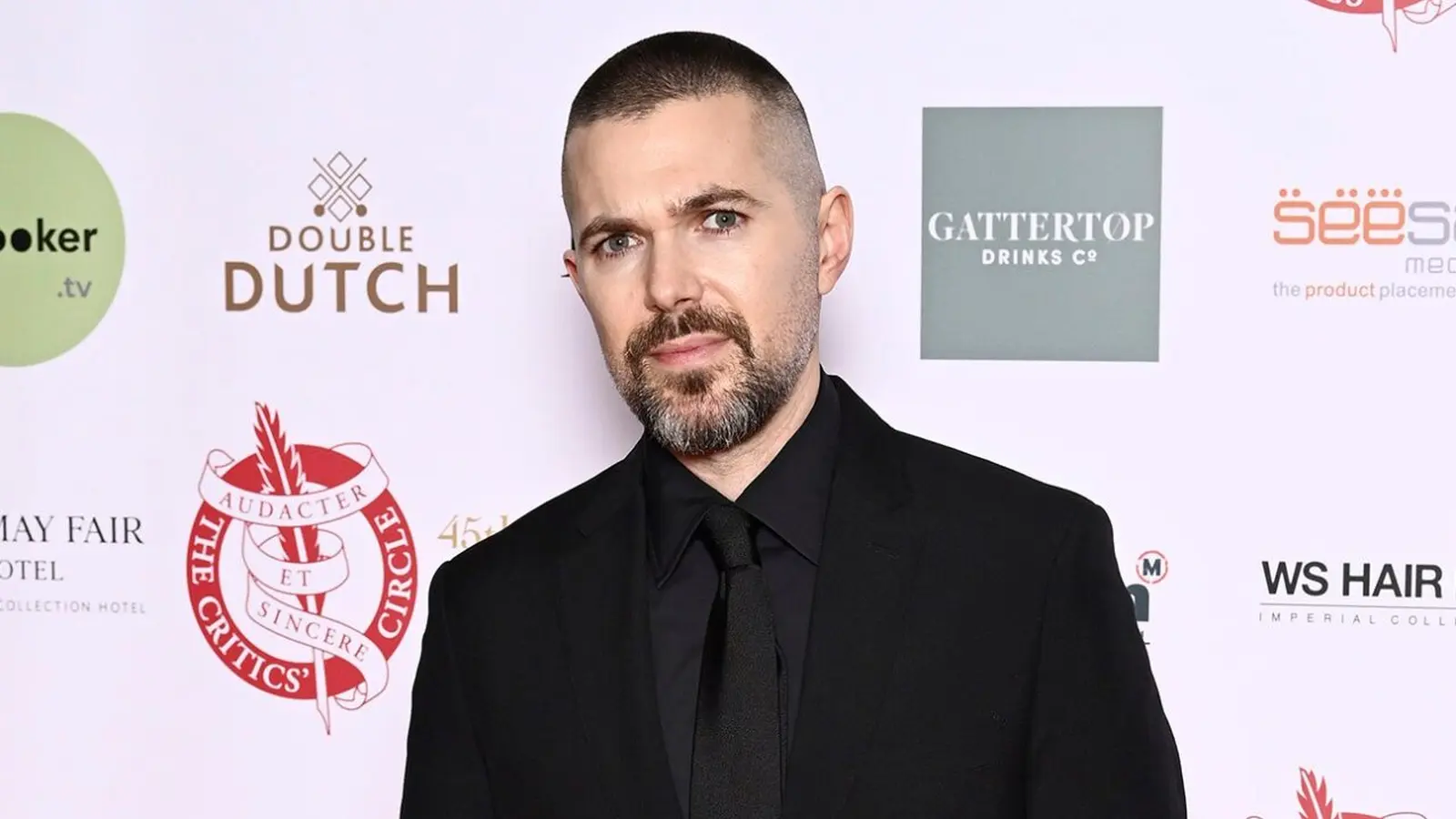
Imagine Shakespeare's most famous lovers trapped in the kind of world Robert Eggers builds: atmospheric, claustrophobic, and oddly archaic. That image just crossed the studio lot into reality. Eggers, the director who has chased witches, Vikings, and uncanny sea-bound madness, is now setting his sights on Romeo and Juliet.
Focus Features has won the project after a heated bidding war that included A24, Sony and Warner. Eggers will direct and produce, and sources say the deal sits comfortably north of $70 million. Studios are betting on his audience-pulling power after the unexpected box-office life breathed into Nosferatu in 2024. In short: he has the runway to do something bold.
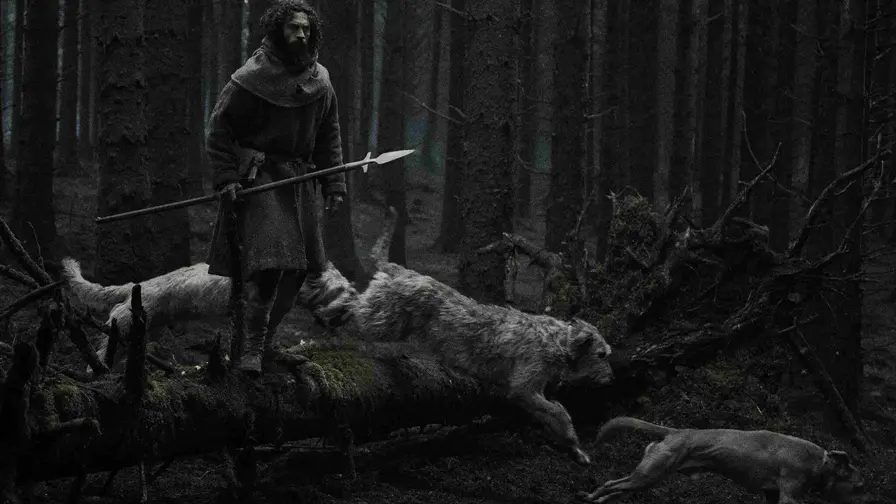
But bold how? Will Eggers flip the pastoral romance into a fever dream? Or will he strip the play down to its aching human core? The provocative choice already on the table: cast and crew will perform Shakespeare's dialogue in the original Elizabethan English—closer to the speech of the play's first audiences than to modern adaptations. It sounds extreme. Yet it's exactly the kind of disciplined eccentricity Eggers has favored before. He made Willem Dafoe and Robert Pattinson talk in an old mariner's lilt for The Lighthouse, and he dug into Norse speech patterns for The Northman. Language, for him, is another tool to summon a historical atmosphere.
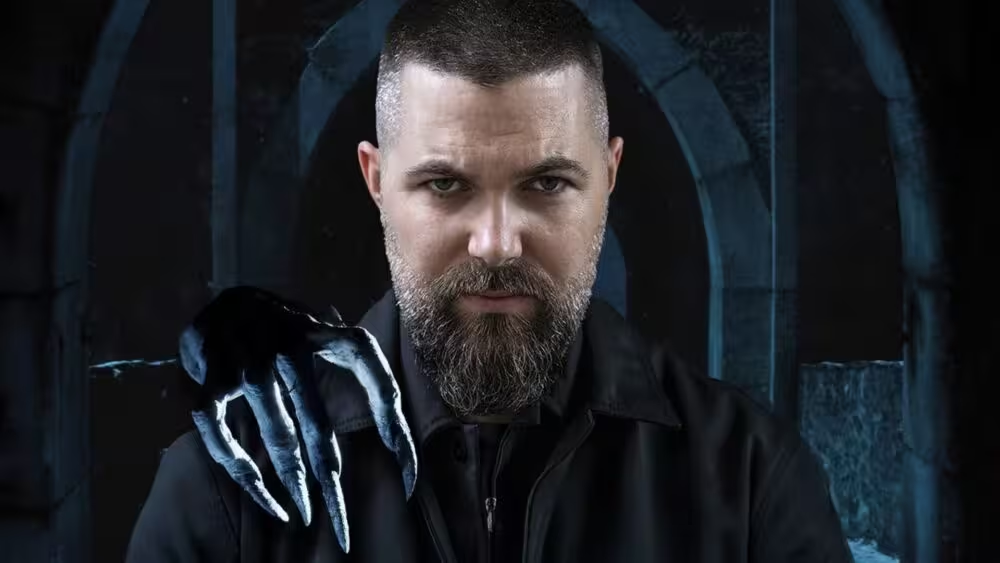
This will not be the first time Romeo and Juliet has been reborn for cinema. Franco Zeffirelli's 1968 classic and Baz Luhrmann's neon-streaked 1996 take with Leonardo DiCaprio and Claire Danes live in the public imagination. Eggers' version will almost certainly sit in a different register—darker, perhaps more elemental—than either of those touchstones. If his past work is any guide, expect texture over spectacle, a focus on breath and bone rather than bright costumes and glossy surfaces.
There are practical questions, too. How will modern audiences respond to Elizabethan diction delivered in a film that will likely be marketed as a mainstream event? Will the language alienate or deepen the experience? Directors have succeeded and failed with linguistic authenticity before. Eggers' track record suggests he hopes to make it an immersive asset rather than a barrier.
Details such as casting are still under wraps, but the premise alone is already a small cultural tremor: a filmmaker known for eerie precision is taking on one of the world's most beloved love stories and choosing to keep Shakespeare's original voice. That decision frames the adaptation as less of a translation and more of a resurrection, asking viewers to listen—really listen—to the cadence that launched a thousand stage productions.
For cinephiles and Shakespeare fans alike, the most interesting question isn't whether this film will honor the text. It's whether Eggers will turn that honor into something unexpected, a version that feels both faithful and freshly unsettling. Either way, the project promises to be one of the more intriguing experiments in contemporary adaptation, and we'll be watching every odd, beautiful choice he makes.

Leave a Comment
Comments
No comments yet. Be the first.