
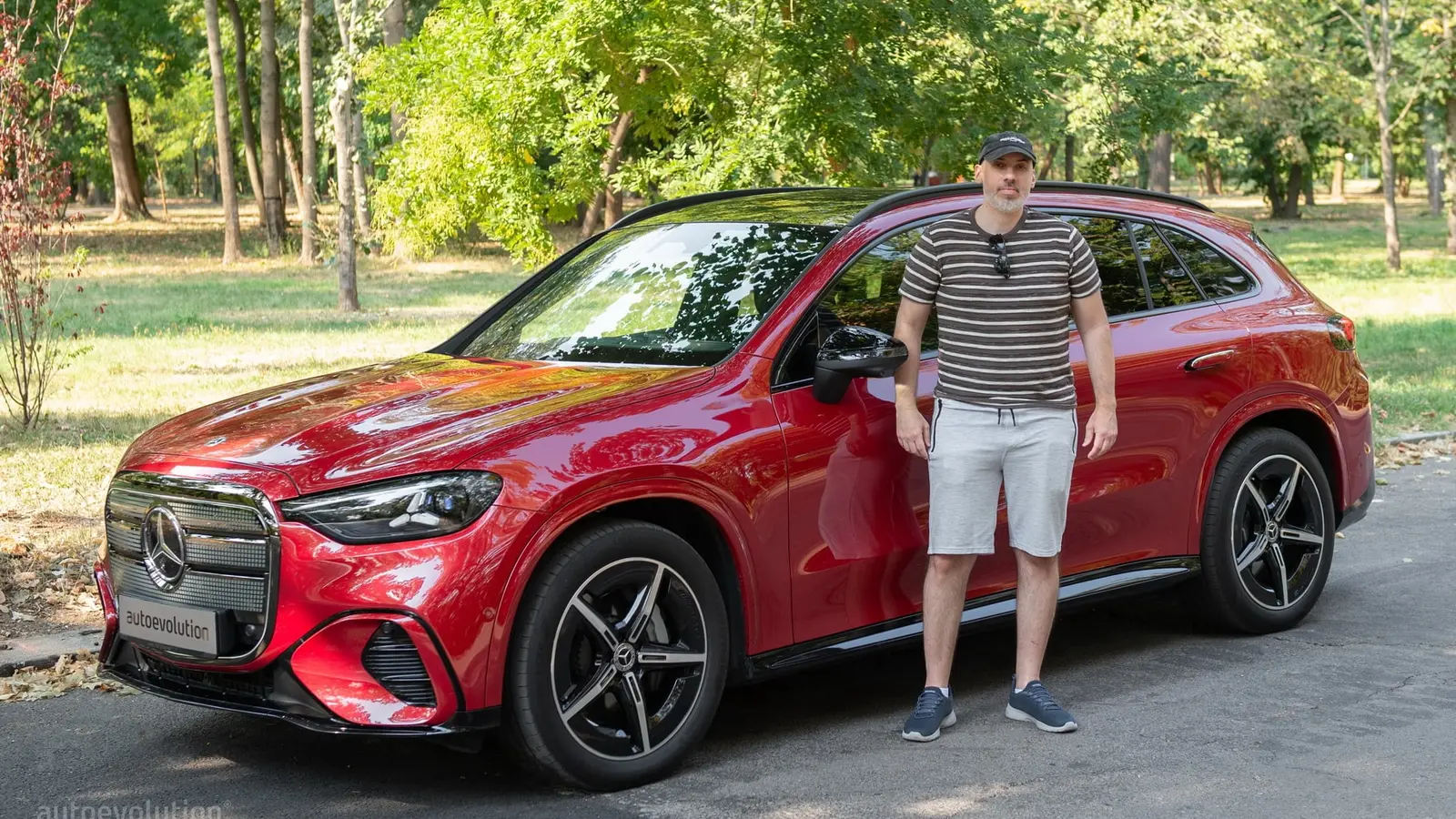
The all-new 2026 Mercedes GLC 400 4MATIC Electric arrives with a 94-kWh usable battery and an 800-volt electrical system, signalling Mercedes-Benz's intent to compete directly with the efficient BMW iX3 on both range and charging performance.
Built from the ground up as an EV rather than a conversion of the combustion GLC, the GLC 400 4MATIC Electric pairs dual electric motors producing 489 horsepower and 590 lb-ft (800 Nm) of torque with a quoted EPA range of up to 350 miles (563 km) and a WLTP maximum of 443 miles (713 km). Mercedes also rates peak charging at 330 kW, with a 10–80 percent session taking roughly 22 minutes on compatible chargers.
Design and equipment
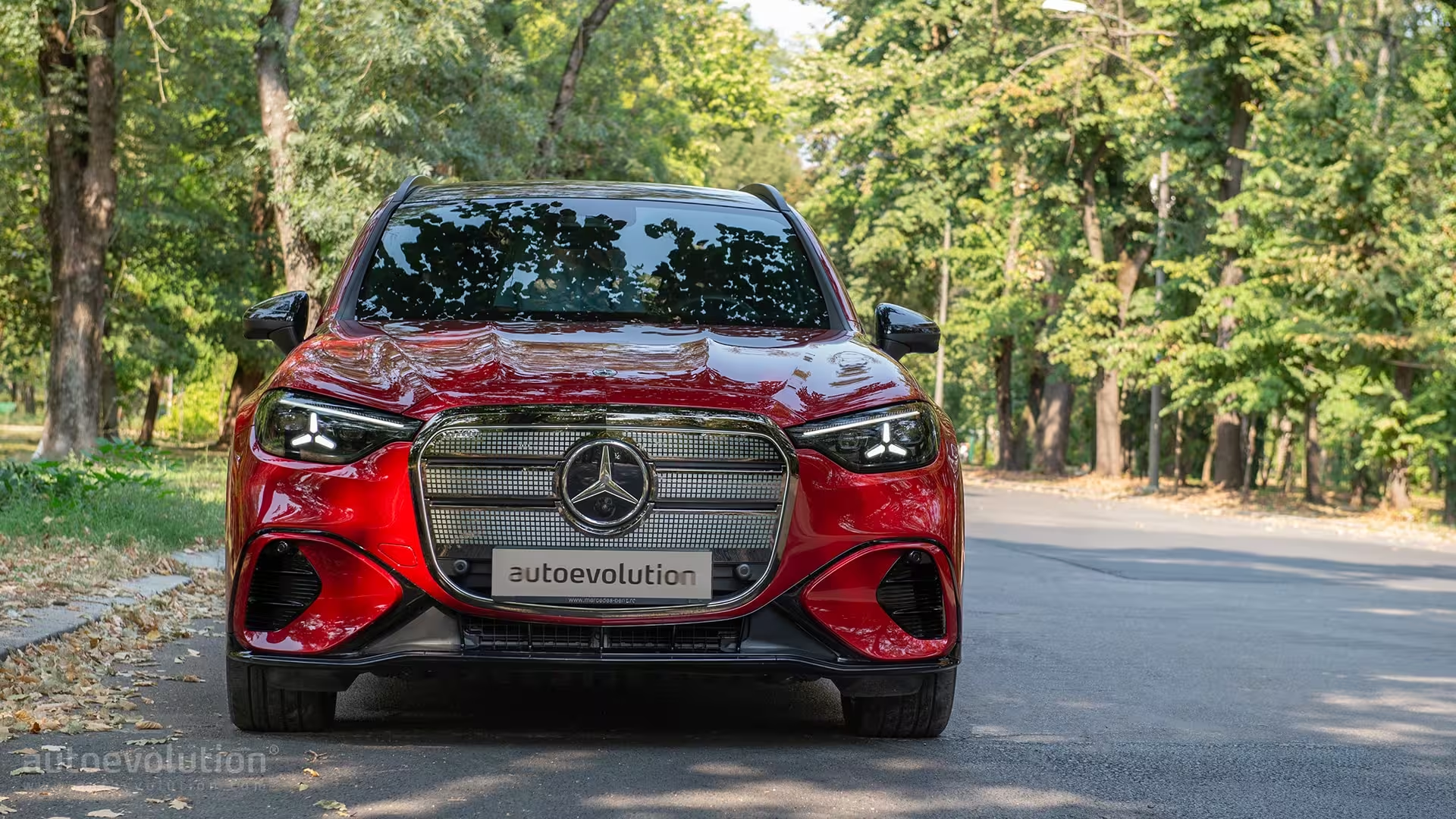
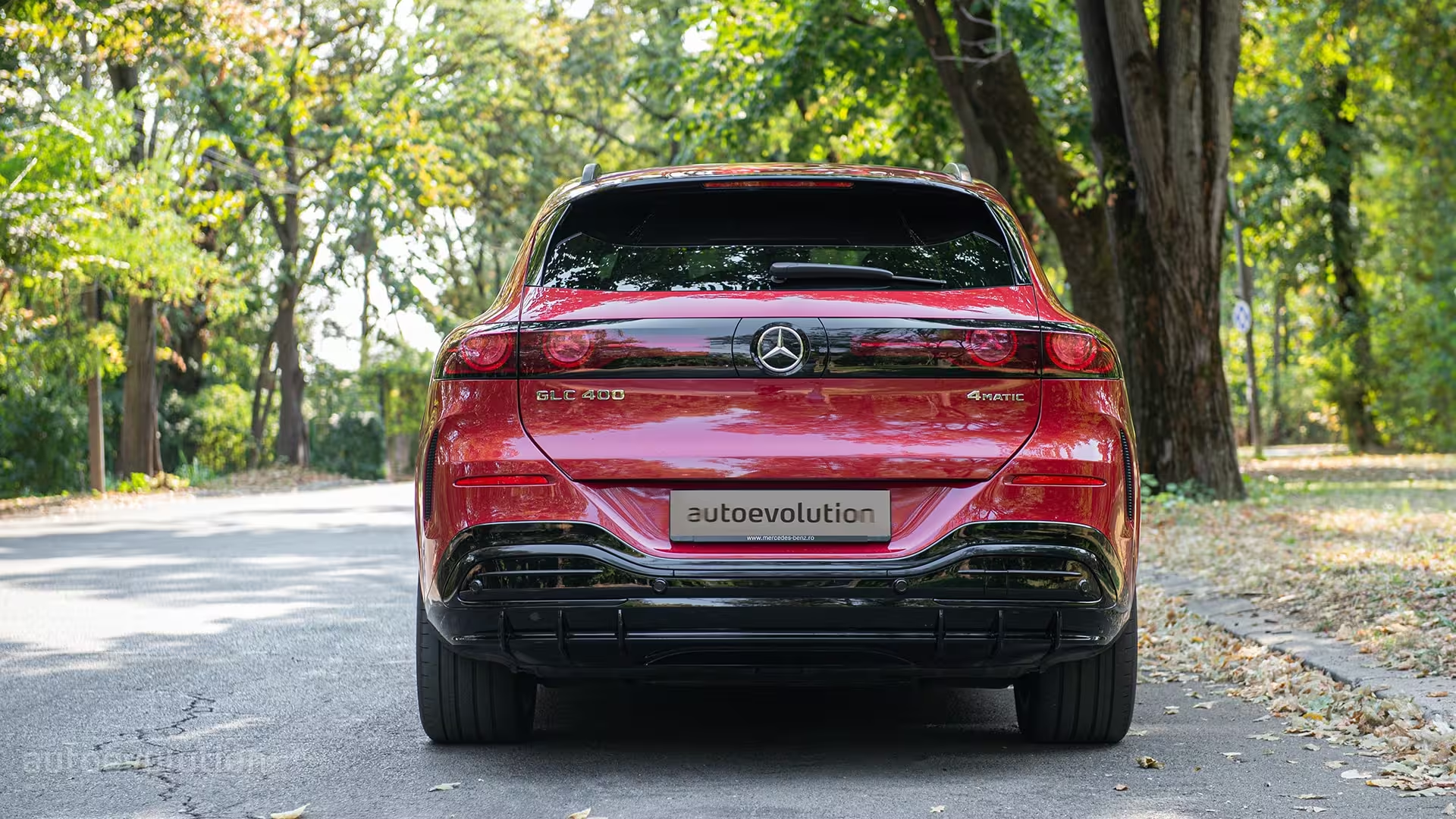
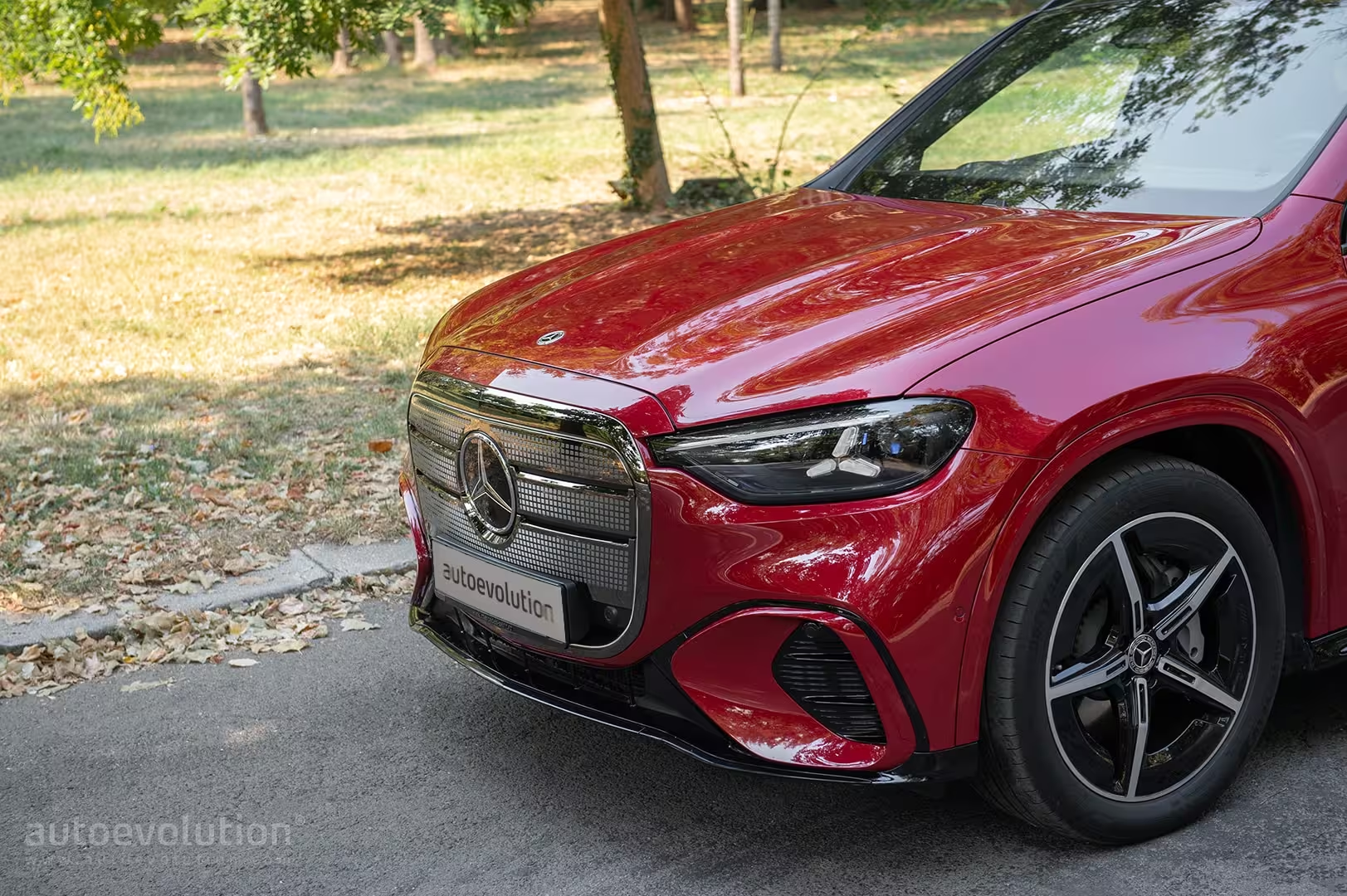
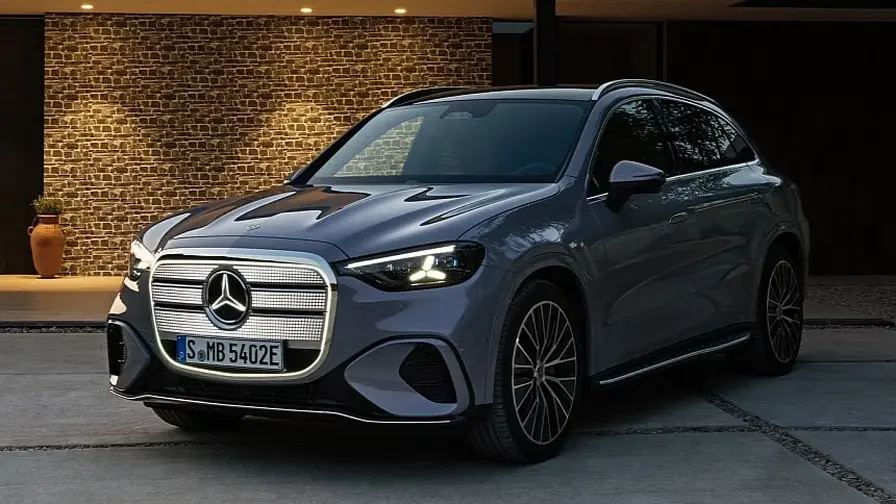
Visually the electric GLC departs from previous Mercedes SUVs. The model shares a dedicated EV architecture with the new C‑Class Electric and presents a standalone exterior that emphasises sculpted surfaces and a large, stylised grille element. The test car worn MANUFAKTUR Patagonia Red metallic paint and carried the AMG Line and Night Package, Digital Light headlights and 20-inch five-spoke AMG wheels.
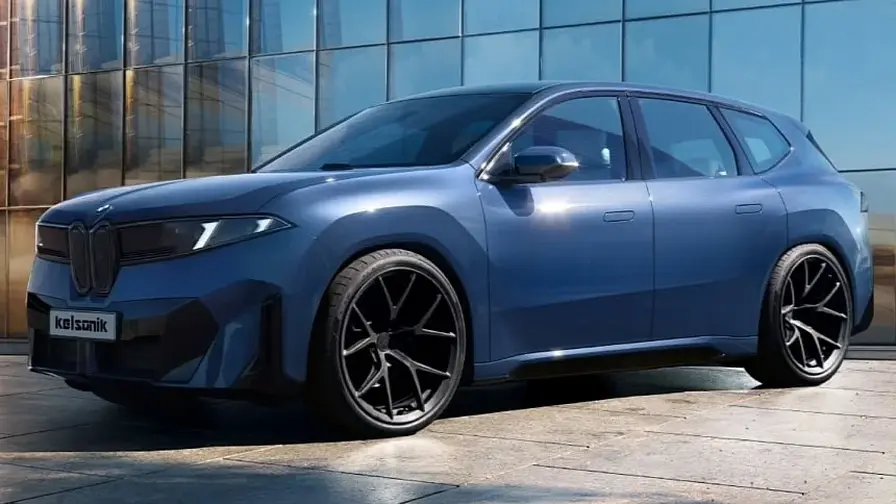
The styling is markedly more expressive than Mercedes' recent EQ-branded SUVs; reactions will vary. Compared with the BMW iX3, which privileges cleaner surfaces and restraint, the GLC Electric trades subtlety for visual complexity. Mercedes’ approach is clearly deliberate: the GLC aims to be recognisably a Benz while staking out a distinct electric-era identity.
Interior, space and equipment
Inside, the GLC Electric follows the current Mercedes template with a dominant screen architecture. Our test car included the Premium Plus specification with the MBUX Hyperscreen, SKY CONTROL panoramic roof, extensive ambient lighting, ventilated and massaging front seats and a Burmester 4D surround sound system.
Practical space is a clear strength. The electric GLC’s wheelbase is 84 mm (3.3 in) longer than the combustion model, delivering an extra 47 mm (1.85 in) of rear legroom and 17 mm (0.66 in) of headroom. Luggage capacity is 20.1 cu.ft (570 litres) behind the rear seats and 61.4 cu.ft (1,740 litres) with the rear seats folded. A front luggage compartment measures 4.5 cu.ft (128 litres), large enough for a small carry-on.
Build quality and material execution are competitive for 2026, though tactile impressions differ by comparison: some surfaces that read well in photos are less distinctive by touch. Mercedes’ MB.OS proved responsive in use, and the SKY CONTROL roof can vary transparency section by section.
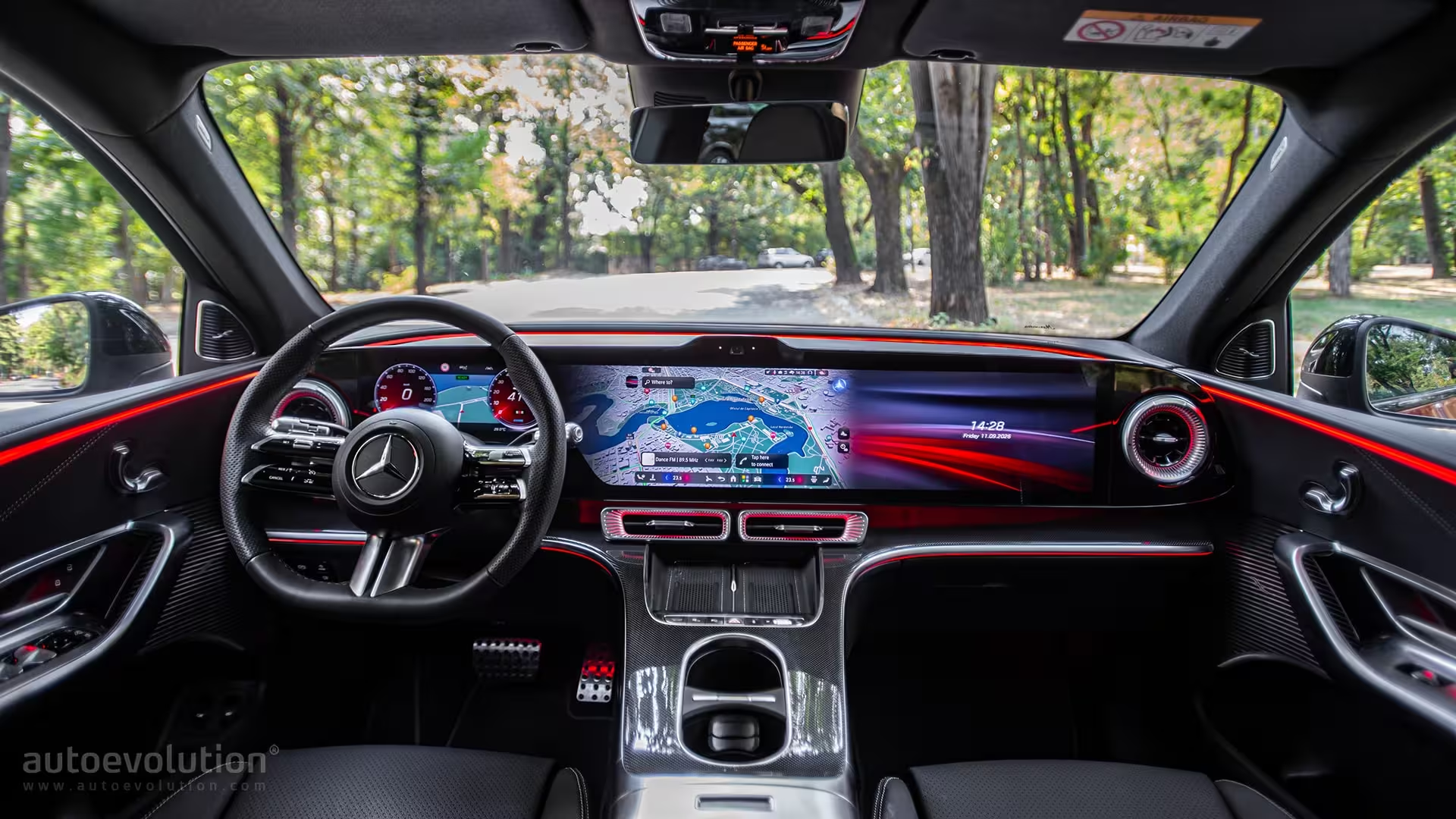
The GLC Electric is well endowed with driver aids and comfort features, and the available equipment list—and its cost implications—means buyers should expect significant price variation between base and fully specified cars.
Driving character and performance
The GLC 400 4MATIC Electric weighs roughly 5,500 lbs (about 2.5 tonnes) but rides with the composure expected of a Mercedes when fitted with optional AIRMATIC air suspension. Rear-wheel steering tightens manoeuvrability: the turning radius is a compact 36.7 feet (11.2 metres), making low-speed handling and parking easier than the footprint suggests.
Performance figures underline its straight-line credentials: 0–60 mph (97 kph) is claimed at 4.2 seconds. The powertrain’s combination of acceleration and comfort positions the GLC as a fast premium EV crossover—competitive with the BMW iX3 50 xDrive on dynamics and surpassing it in comfort and acceleration in the 400 4MATIC specification.
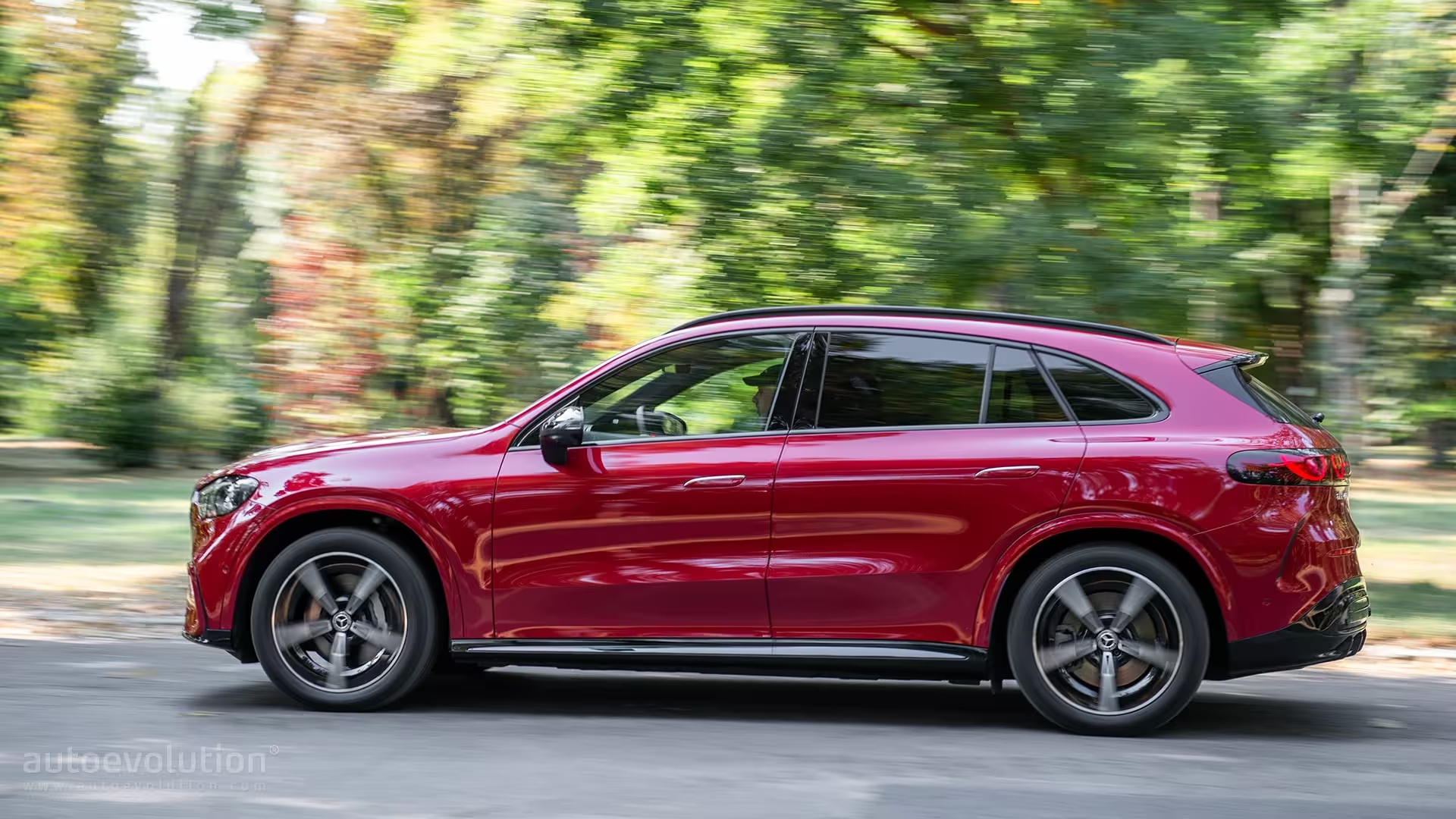
Mercedes warns that real-world range will vary with wheels, options, load, ambient temperature and driving conditions. The company’s published numbers—94-kWh usable capacity, 330-kW peak charging and a 10–80 percent time of about 22 minutes—are competitive on paper and reflect a serious commitment to usable highway capability.
Against the segment, the GLC Electric joins the iX3, Audi Q6 e-tron, Volvo EX60, Tesla Model Y and others including the Porsche Macan Electric, Polestar 4 and Lexus RZ as choices for buyers in the compact to midsize premium electric SUV bracket.
Pricing varies by market: in Romania the test car’s base price was reported as €56,000 (without taxes) and the final, fully specified example listed at €93,726, approximately $107,000. In the United States the GLC Electric starts at an MSRP of $63,500.
The all-new GLC 400 4MATIC Electric is a technically credible, comfort-focused contender that pairs a dedicated EV architecture with strong charging and range figures—its character leans toward expressive design and luxury equipment rather than conservative styling.
For buyers prioritising interior space and long-range usability in a premium package, the GLC Electric’s extended wheelbase, generous luggage volume and rapid charging capability make it a compelling option; its 36.7-foot turning circle is a practical detail that underscores usability in everyday driving.

Leave a Comment
Comments
No comments yet. Be the first.