
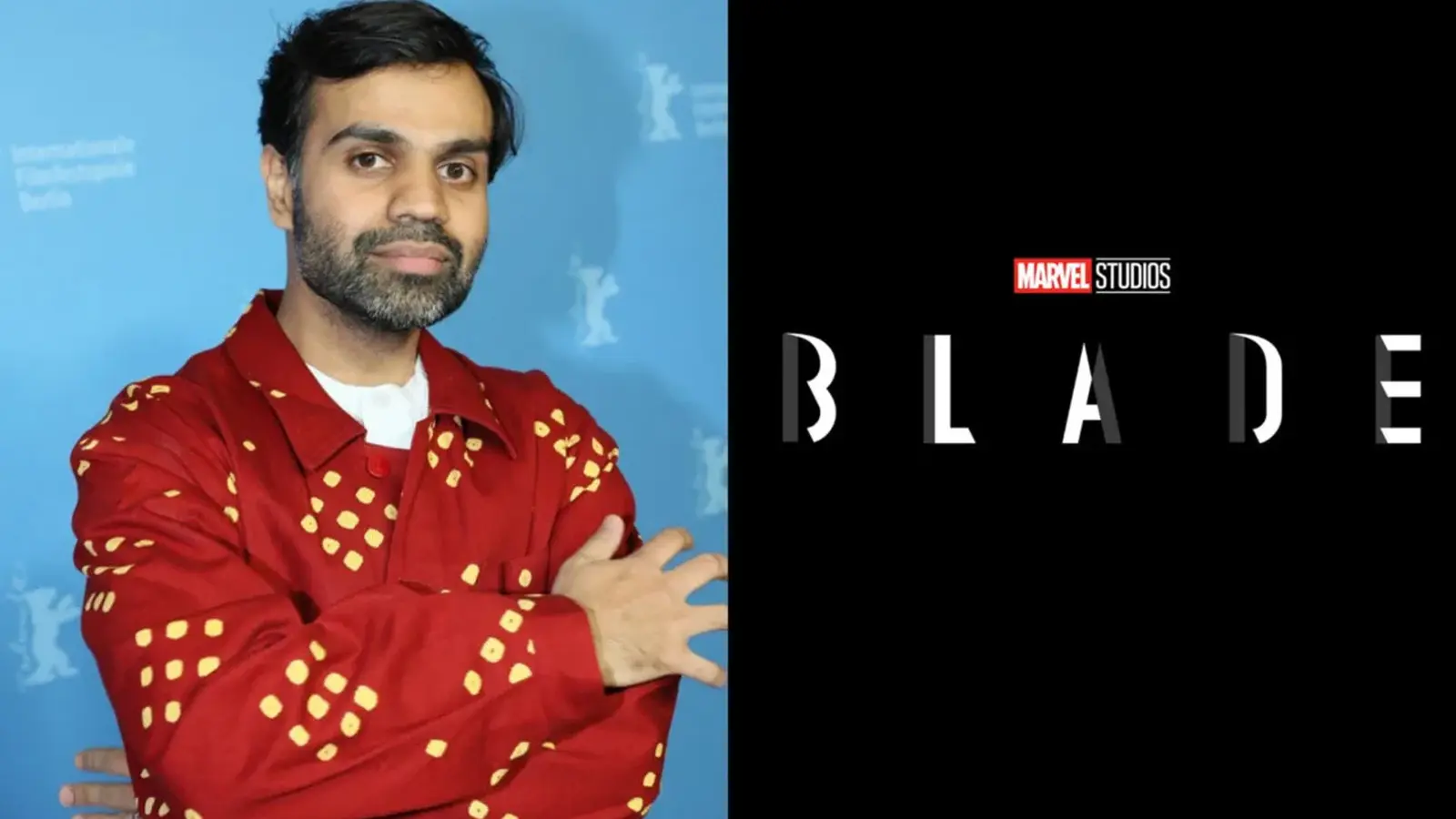
When Bassam Tariq talks about Blade, he doesn’t just revisit a headline. He pulls back the curtain. And what spills out isn’t a single scandal, but a clear portrait of how the Marvel machine treats filmmakers: as skilled collaborators inside a prebuilt system.
Tariq’s latest comments, shared alongside Mahershala Ali while promoting their new film Your Mother Your Mother Your Mother, landed with blunt clarity. He described a studio that says, politely and plainly, this is a Marvel film directed by you. Then it proceeds to shape it. Frames are shifted. Scenes are pared. Changes happen in editing and in post. Simple as that.
Sounds controlling? Perhaps. Does it matter who’s listed as director? Mahershala Ali laughed at that question—but his laugh was telling. In Marvel’s model, the brand often outranks the auteur. The director becomes, in practice, an expert contractor working within a corporate blueprint.
Marvel gives directors access, but the studio keeps the steering wheel.
Think about the filmmaking process as a painting. The director sketches. The crew mixes the colors. But Marvel arrives with an outline and a palette already chosen—sometimes with elements storyboarded long before a director signs on. So even ambitious, original impulses run up against an institutional aesthetic designed to maintain a franchise’s tone, pacing, and visual grammar.
That’s why so many MCU films feel like siblings. Not copies. But family resemblance. The same rhythm of jokes, the same choice of image sizes, the same escalation toward a third-act spectacle. These features aren’t accidents. They’re the product of a central creative authority steering multiple projects toward a unified brand identity.
Reports over the years have painted the same picture. The Wall Street Journal once described Kevin Feige as practically a de facto director across the studio’s slate: dispatching junior executives to sets, then taking over in the edit bay to reconfigure scenes, order reshoots, and reshuffle narrative pieces. Colleagues have joked about the fix-it-through-reshoots ethos—every film can be remade if you call it right. It’s a pragmatic system. It’s also a creative filter.
Where does that leave the concept of the auteur? It forces a rethink. Auteur theory rests on the idea that a director’s personal vision is the film’s authorial core. But in an environment where storyboards, VFX plans, and even many camera choices are influenced—or dictated—by studio leadership, authorship gets redistributed. The marquee name stays on the poster, but the authorship mosaic includes producers, franchise architects, and post-production chiefs.
For directors like Tariq, the tension is practical and emotional. You can deliver an accomplished film and still find your edits altered, your composition adjusted, your beats moved. You can accept the trade-offs and gain access to resources most filmmakers only dream of: huge budgets, veteran crews, and global reach. Or you can walk away, guarding a more uncompromised vision but surrendering the Marvel-sized platform.
This mode of operating has consequences beyond a single production. It shapes career trajectories, affects which voices get amplified, and sets expectations for how franchise filmmaking functions. Producers like Feige don’t just shepherd individual movies; they calibrate a cultural product that needs consistency as much as creativity.
So what should viewers keep in mind? Watch the credits, sure. But notice the hand that shapes the final cut. Ask whose fingerprints you can’t see because the brand’s style has smoothed them over. The next time the camera settles into a familiar framing or the third-act VFX barrage arrives just when expected, remember this: those choices are often part of a broader plan, not a solitary artist’s flourish.
And for filmmakers entering that world, the calculus is clear. Do you want the canvas and the audience, or the freedom to paint with no one else dictating the strokes?

Leave a Comment
Comments (1)
Wait, so directors are basically contractors for a logo? If true, that laugh from Ali says it all. Who really owns the art here Marvel or the named director?