

Scarlett Johansson wasn’t supposed to be in Paper Tiger. At least not at the start. James Gray had another actress in mind—Anne Hathaway, reprising a character linked to his autobiographical Armageddon Time—and yet the movie took a different route, quickening its pace and changing its voice.
Why the switch? Scheduling. Hathaway was tied up with Christopher Nolan’s The Odyssey, a global blockbuster that left little room for Gray’s timeline. So Gray made a decision that sounds practical but turned out to be creative: he wouldn’t stall the project for a year and a half. He reimagined the film, reshaped the parts, and reached out to Johansson—an actor he’d met on a previous, unproduced project and remembered fondly.
Johansson accepted. Fast. And with that, Paper Tiger stopped being a straightforward sequel to Armageddon Time and became its own beast. Gray describes filmmaking like taming a wild horse; sometimes it throws you. Sometimes it bucks you in a better direction.
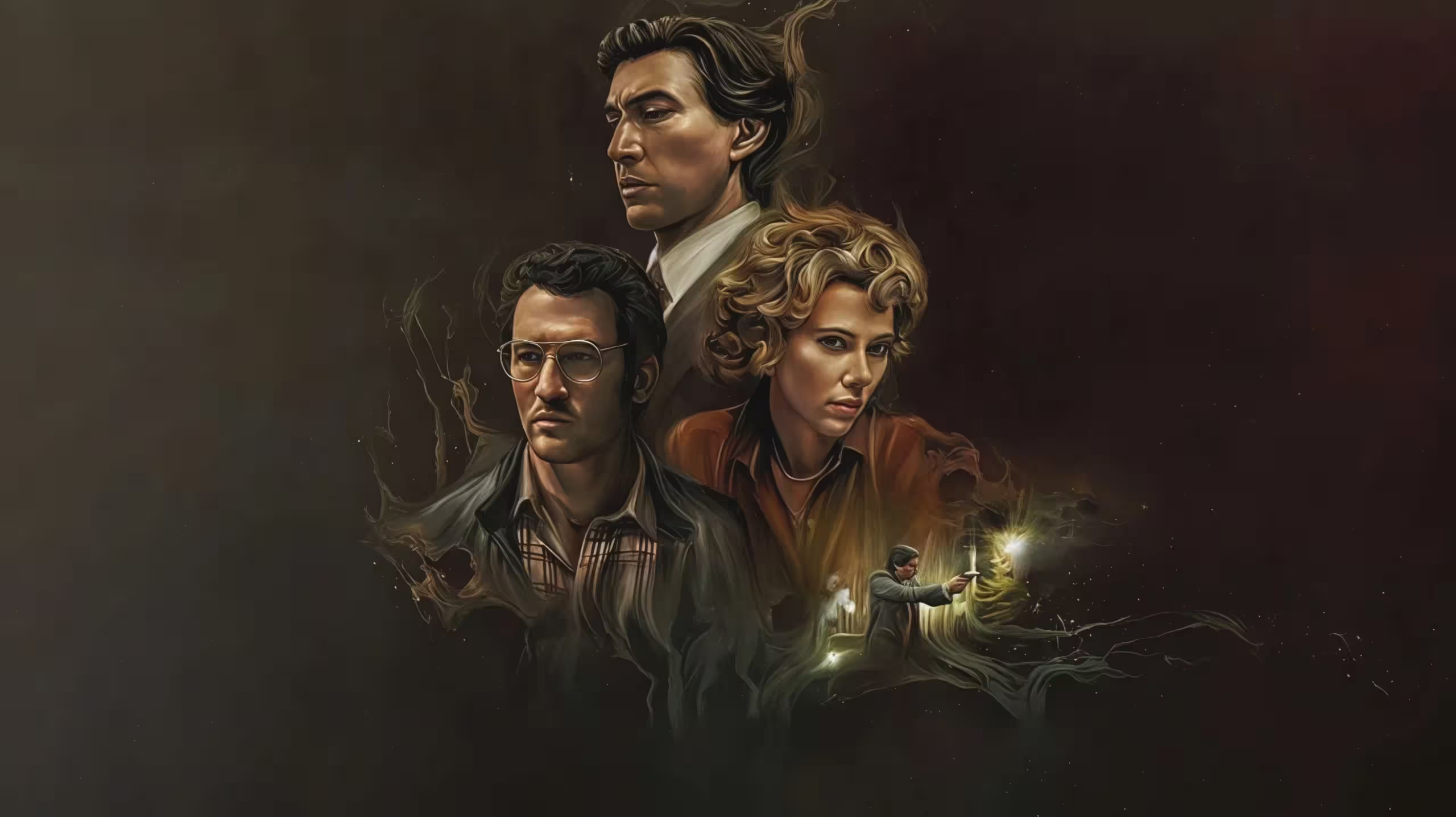
The story centers on Hester Pearl, played by Johansson, and the violent spiral that grips her family when her husband Gray Pearl—now portrayed by Adam Driver—and brother Erwin Pearl, played by Miles Teller, collide with the Russian mob. Originally, Gray had written characters more closely tied to his mother and father, but as casting shifted the characters’ textures changed too. Jeremy Strong, once linked to a father figure named Irving Graf, is no longer attached; that role morphed into the Gray Pearl character and found a new voice in Driver.
There are neat ironies in the casting shuffle. Hathaway and Johansson both carry superhero résumés: Hathaway was Nolan’s Catwoman in The Dark Knight Rises; Johansson has been Natasha Romanoff, Black Widow, across the Marvel Cinematic Universe. Hathaway’s return to Nolan—first in Interstellar and then in the megahit The Odyssey—closed the door on Gray’s original plan and opened another. The Odyssey’s $1.8 billion haul and awards praise made Hathaway’s calendar impossible to bend.
Gray says he liked Johansson from years ago and that she brought exactly what this revised script needed: a sharper, more operatic energy. The Hester in Paper Tiger isn’t the softer figure that appeared in Armageddon Time; she’s more explosive, grief-struck, operatic in emotional pitch. Johansson’s New York roots and blunt charisma matched the character’s recalibrated edges. The director’s gamble—don’t wait, recast, rewrite—paid off artistically and commercially.
Scarlett Johansson agreed almost immediately.
Early returns suggest the gamble resonated. In a limited opening across six U.S. theaters, Paper Tiger grossed $215,009 in its first weekend—an impressive $35,834 per screen that toppled Gray’s previous per-theater record from The Lost City of Z. Critics have been largely favorable as well: an 86 percent score on Rotten Tomatoes and a Certified Fresh badge, based on 125 reviews. Some critics praised Adam Driver and Miles Teller; others wished Johansson’s considerable range had been used even more aggressively.
Gray’s pivot is a reminder that films are organic. They age, shift, sprout new limbs. A project that starts as an intimate follow-up to a personal film can become a standalone crime drama with a different temperament simply because an actor’s calendar changes. Does that make one version better than the other? Not necessarily. It just makes the finished film its own thing.
Paper Tiger rolls out wider on November 20, 2026. If you’re curious about why big-name actors swap places, why directors rewrite on the fly, or how a single schedule conflict can redirect a movie’s trajectory, this film is a tidy case study in cinematic improvisation—and in how star power and practical deadlines can reshape storytelling in real time.


Leave a Comment
Comments
No comments yet. Be the first.