

A legal curveball has landed in the middle of one of cinema’s most iconic universes. Lana and Lilly Wachowski have formally told Warner Bros. they plan to exercise their statutory right to terminate earlier transfers of intellectual property — a move that could strip the studio of U.S. control over The Matrix after February 2029.
Who really owns a fictional world when decades of films, characters and tie‑ins are in play? The practical stakes are immediate. If the sisters’ termination notice holds up, Warner could lose the rights that allow it to make new works featuring Neo, Morpheus and the Matrix universe. That would change the legal landscape for any sequels, spin‑offs or adaptations produced in the United States.
Timing matters. A fifth Matrix film is already in development with Drew Goddard — the writer‑director known for The Martian and Project Hail Mary — attached to both pen and helm. Studios often plan years ahead, but copyright termination statutes run on fixed calendars. After February 2029, Warner may need a fresh license or a new deal with the Wachowskis to continue expanding the franchise on American soil. It’s worth noting the filmmakers haven’t publicly opposed the new film; insiders say the sisters have even signaled more support for the project in recent months.
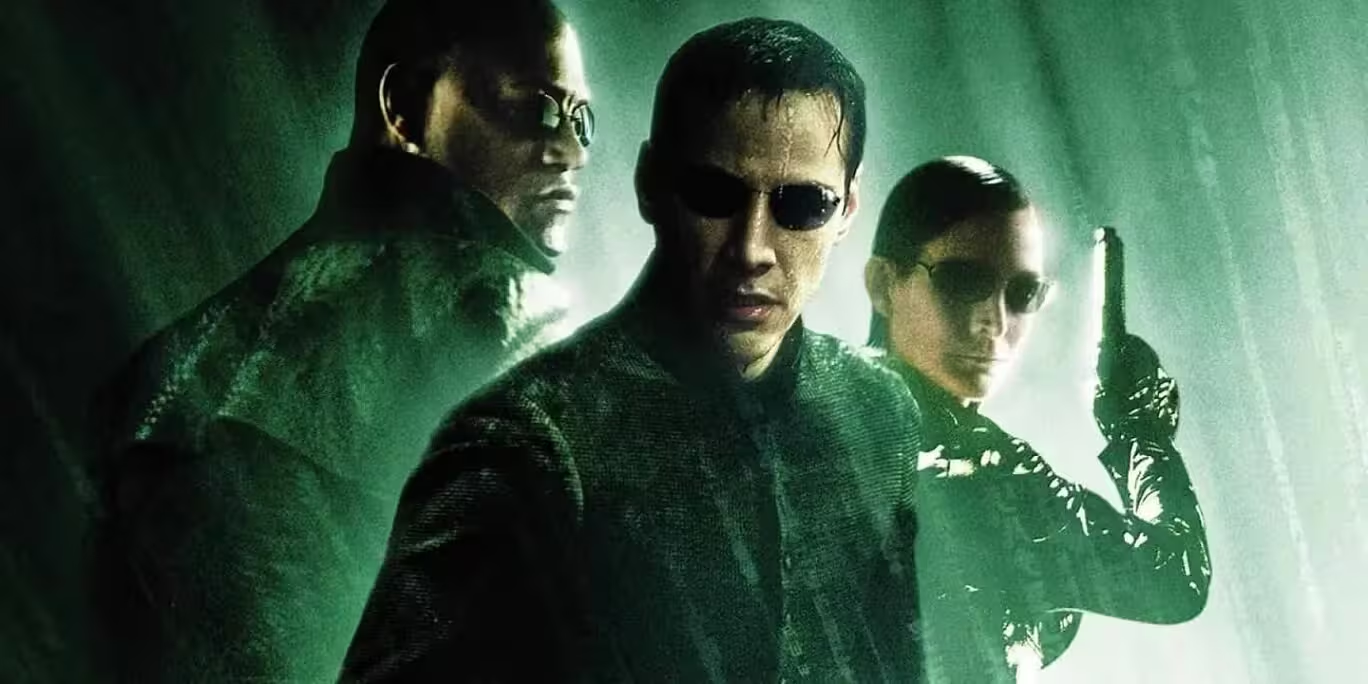
That apparent cooperation, however, won’t make the legal questions disappear. Warner’s likely defense points to a three‑picture agreement the Wachowskis signed in the 1990s and the longstanding studio argument that The Matrix was created as a work‑for‑hire or under an employment contract. If a court finds the films were produced under such terms, the creators’ ability to reclaim rights via statutory termination could be limited or nullified.

Complicating the picture is a record Warner reportedly filed in the past asserting that the Wachowskis had been developing Matrix material as early as 1992 and brought finished drafts of a three‑film story before signing their contract in 1994. That chronology could undercut the studio’s own work‑for‑hire defense, or at least make the outcome far from certain. Legal fights over legacy franchises rarely hinge on a single sentence; they turn on dates, draft histories and the precise language of old contracts.
There’s precedent for this kind of tug‑of‑war. The heirs of Mario Puzo pressed for greater control over The Godfather and ultimately negotiated new terms with Paramount. Similar disputes over The Terminator saw rights partially revert to James Cameron before fresh deals allowed the studio to continue exploiting the property. Studios and estates find ways to settle — or to litigate — depending on leverage and appetite for a courtroom showdown.
And the ripple effects could extend well beyond one sci‑fi saga. Insiders tell reporters that other Warner‑affiliated properties — from Shawshank Redemption to Beavis and Butt‑Head and even ER — might face analogous claims in coming years. Estates and creators have, on occasion, pursued the contractual avenues that allow them to reclaim control of original material; when they do, the result can reshape how a studio manages long‑running intellectual property.
If the Wachowskis prevail, Warner could lose U.S. rights to The Matrix after February 2029, forcing new deals to be negotiated for any future projects.
For now, the story is a legal one as much as a creative one. Negotiation remains possible; litigation is not inevitable. What this episode underscores is how fragile long‑term planning can be when decades‑old contracts meet modern entertainment economics. A single clause, a dated signature, or a well‑timed notice can alter the future of a fictional world that has meant so much to audiences worldwide. Watch closely: the fate of The Matrix franchise may turn as much on court filings as on screenplay drafts.


Leave a Comment
Comments (1)
Wait, so Warner could lose Matrix rights? Sounds messy... is this actually gonna stick or just legal theater? idk, curious.