
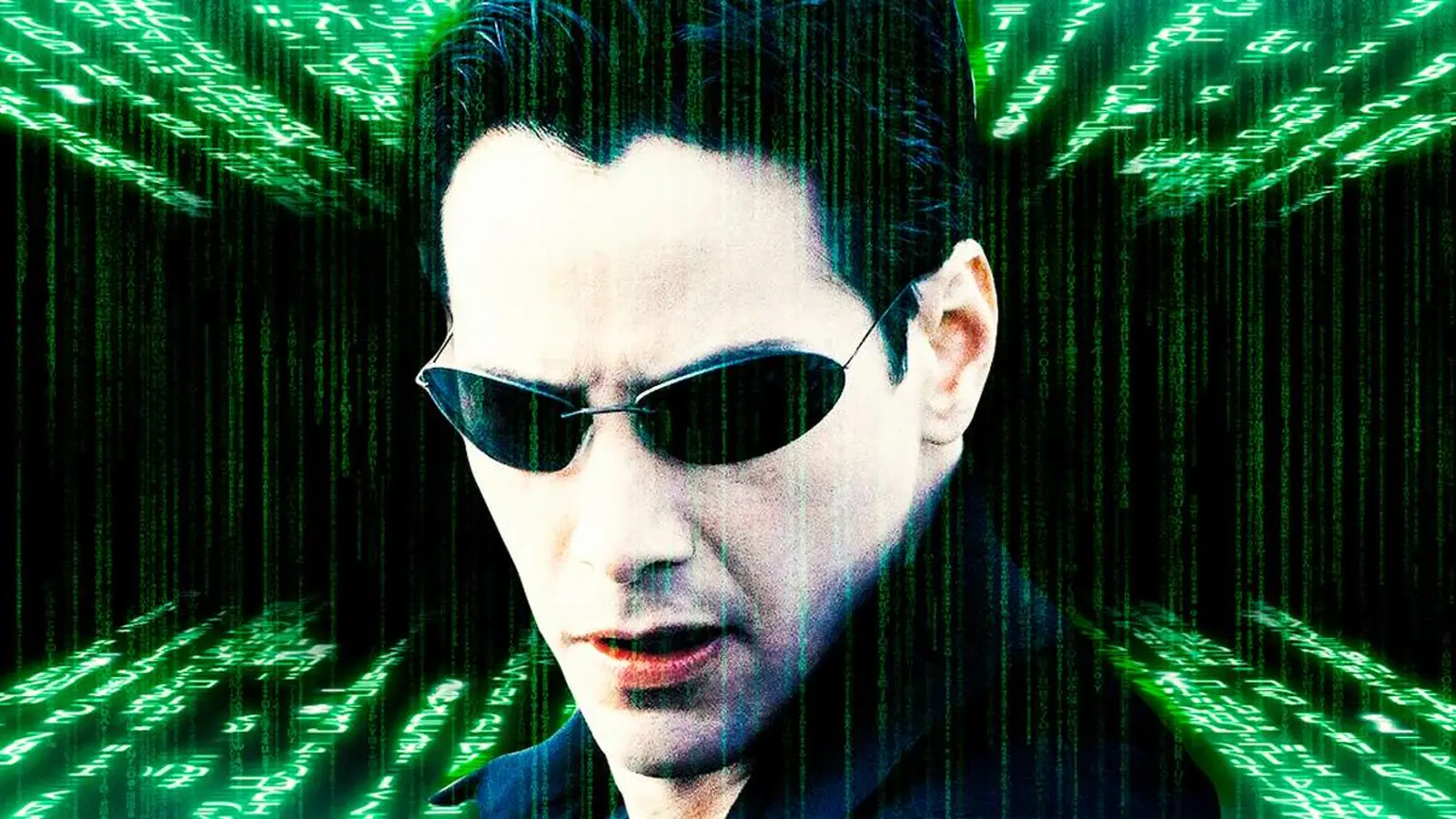
It starts with a simple, stubborn boundary: Drew Goddard will not push Matrix 5 forward without the Wachowskis' blessing. Short sentence. Big implication.
Two years after Warner Bros. tapped Goddard to steer the franchise back to shore, the project remains in development limbo. He is quietly rewriting, reshaping and refusing to reveal details. When asked about Keanu Reeves or any returning faces, Goddard offered the kind of pause the tabloids love: "I can't talk about that."
Then came fresh words from Lily Wachowski—chilly but candid. Speaking to KCRW's The Business, Lily said she has largely stepped away from the Matrix universe. "I personally don't want to work in that world anymore," she admitted, adding that Warner wants new directions for the franchise. Yet she didn't slam the door completely: she and Lana might briefly review Goddard's script, see how it feels, and only then decide whether to lend their approval.
So here we are. Warner appears intent on keeping the Matrix alive. The studio has reasons. A long-running franchise is a siren for development teams and executives alike. But artistic ownership matters—especially for a series that began as a private myth forged by two filmmakers with a distinct language of ideas, visuals and philosophy. Goddard seems to understand that. He isn't racing ahead. He wants a nod. Not as a formality. As permission to honor a legacy.

That legacy hit a rocky patch with Matrix Resurrections in 2021. Lana directed solo; Lily was absent. The film's box office was underwhelming: roughly $159 million worldwide on a near-$200 million budget. Industry estimates suggested the movie could have left Warner with losses in the ballpark of $200 million. Numbers like that change conversations fast. They also change appetites—studio patience, audience goodwill, and creative risk all shift under the weight of financial reality.
Goddard's own résumé helps explain why he was chosen. He wrote and directed with a sly intelligence on films like Cabin in the Woods; he knows how to balance genre conventions with fresh twists. That background makes him a reasonable pick to attempt a rejuvenation. But he isn't treating the Matrix like a property to be relabeled and relaunched. He's treating it like a story that still needs to answer the question: what is the point of taking us back?
Will Keanu return? Will this be a full reboot, a soft continuation, or an entirely different entry that shares only themes and a universe? Nobody on the record will commit. Goddard declines. Lily says she might glance in. Lana's stance is less public—but her direction on Resurrections proved she remains connected to the mythology, even if the public reception was mixed.
What matters now is several-fold: Warner's appetite for more Matrix content, the Wachowskis' willingness to lend creative endorsement, and Goddard's ability to write a script that honors what came before while offering something genuinely new. It's a delicate choreography. One misstep and the franchise risks becoming an echo. Get it right and the Matrix could feel urgent again—strange, sharp, and worth arguing about.
For readers and fans, this means patience. For the franchise, it means negotiation—between commerce and authorship, nostalgia and invention. And for Goddard, it means waiting at an unusual crossroads: ready to run, but only if the original architects hand him the map.


Leave a Comment
Comments
No comments yet. Be the first.