
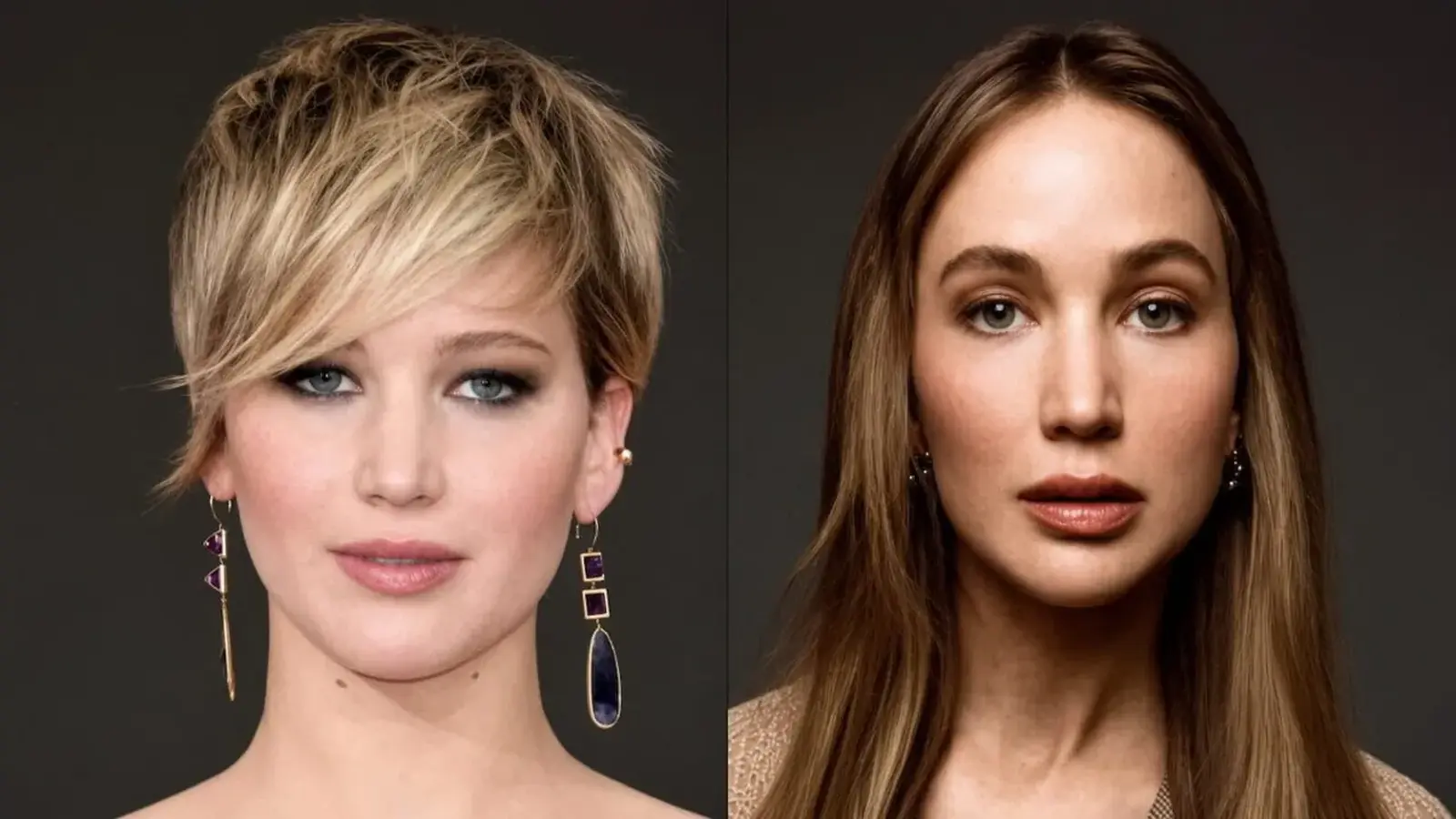
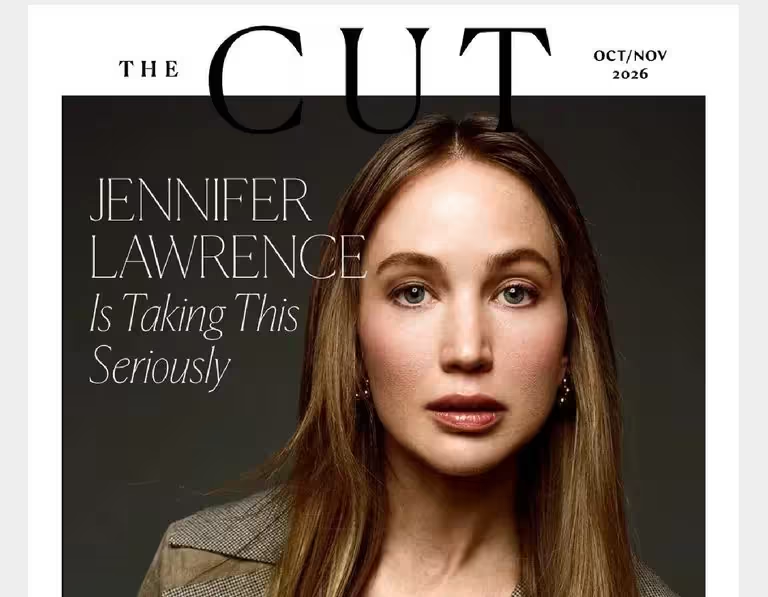
For a few seconds, scroll past those new images and you might do a double-take. Jennifer Lawrence — Oscar winner, blockbuster lead, and one of Hollywood's most photographed stars — landed in the public eye again after a recent shoot for The Cut, but this time it was her face, not her film roles, that dominated the conversation.
The photos spread fast. People compared them to older pictures from her Hunger Games era and noticed differences: the shape of her eyes, the way her lids fold, even the arch of her brows. Some fans said she looked almost unrecognizable. Others shrugged it off as a lighting or styling choice. A handful openly welcomed the new look.
What followed was predictably messy. Social feeds filled with speculation about cosmetic tweaks — blepharoplasty was the theory most often floated. Rumors ballooned because celebrity appearances are under a relentless microscope; a minor change becomes a headline overnight. Still, Lawrence hasn’t confirmed any eyelid surgery. The chatter remains, for now, exactly that: chatter.
Her conversation with The Cut offered more nuance than the comment threads. Unlike many stars who sidestep questions about personal beauty choices, Lawrence spoke frankly about her decisions. She framed them as personal and practical: wanting to feel like herself while navigating new chapters, including motherhood. The tone was candid and unapologetic — an uncommon posture in an industry where silence is often the default.
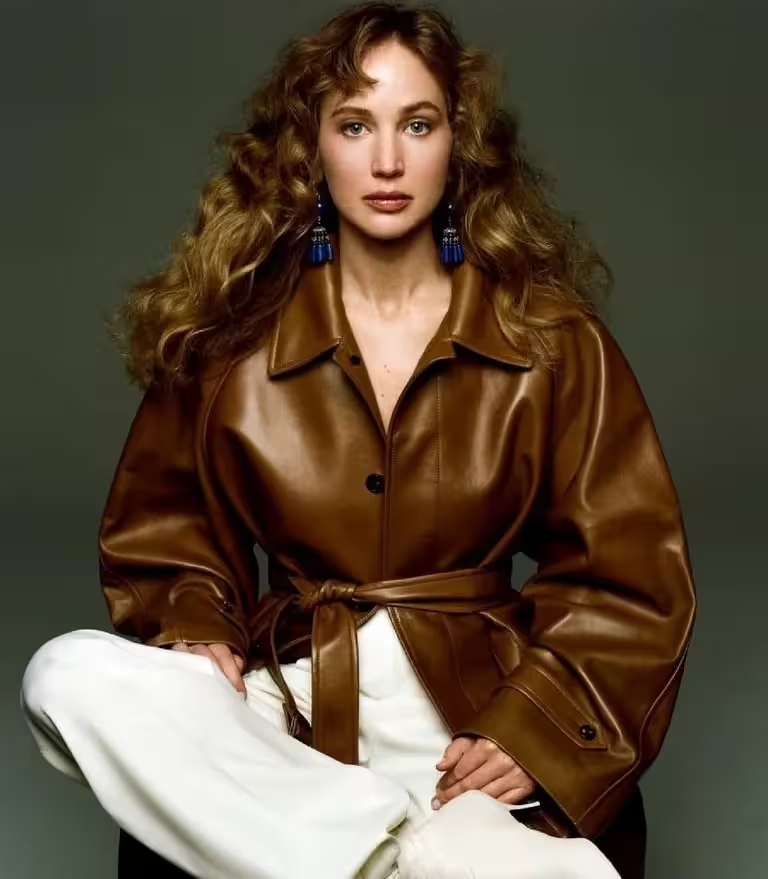 |  |
She also pushed back against the shame that often surrounds cosmetic procedures, arguing people shouldn’t have to hide choices made for themselves.
That stance split opinion. Some applauded the honesty, seeing it as a small rebellion against celebrity double standards and the impossible expectations placed on women. Others bristled, claiming the photos betrayed a loss of the natural look they loved. Between admiration and critique lies a larger question about public ownership of private bodies: who gets to decide what looks 'authentic' on a famous face?
The wider lesson is familiar. In the age of high-resolution images and viral discourse, a single photo shoot can rewrite a star’s public narrative. It can also spur important conversations about autonomy, judgment, and the pressures of fame. Lawrence’s choice to speak openly — without dramatic denials or staged apologies — nudges the conversation toward empathy rather than accusation.
So the next time a celebrity’s visage becomes a trending topic, ask yourself: are we analyzing artful styling and photography, or are we policing personal choices? The answer may tell you more about us than about the person in the photograph.


Leave a Comment
Comments
No comments yet. Be the first.