
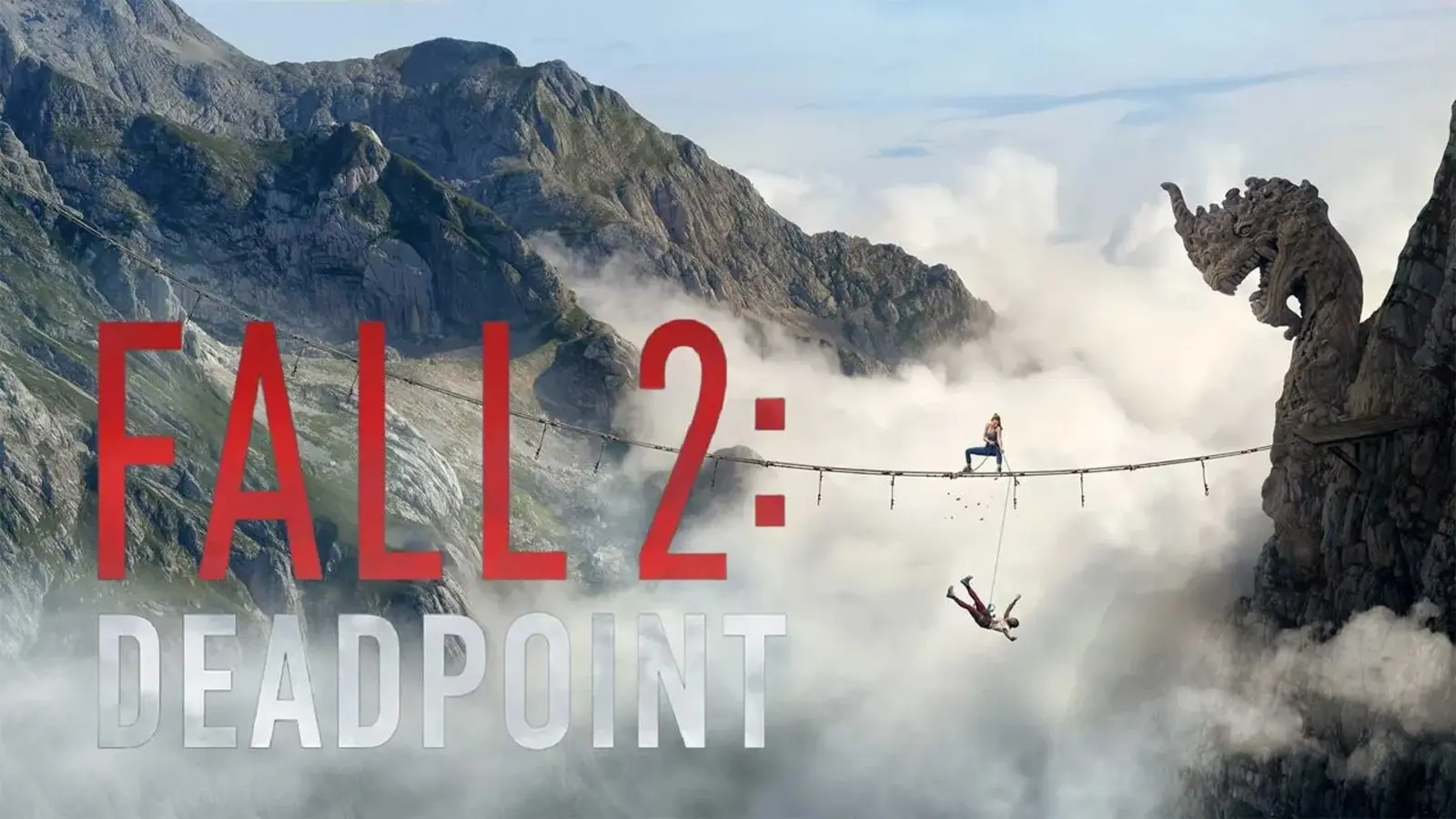
Four years after the stripped-down, vertigo-inducing success of Fall (2022), the franchise climbs back up with Fall 2: Deadpoint — a sequel that knows how to scare and stall in equal measure. The new film keeps the same high-stakes premise — humans versus gravity — but swaps directors and daylight for a darker, night-driven mood that both helps and hurts the result.
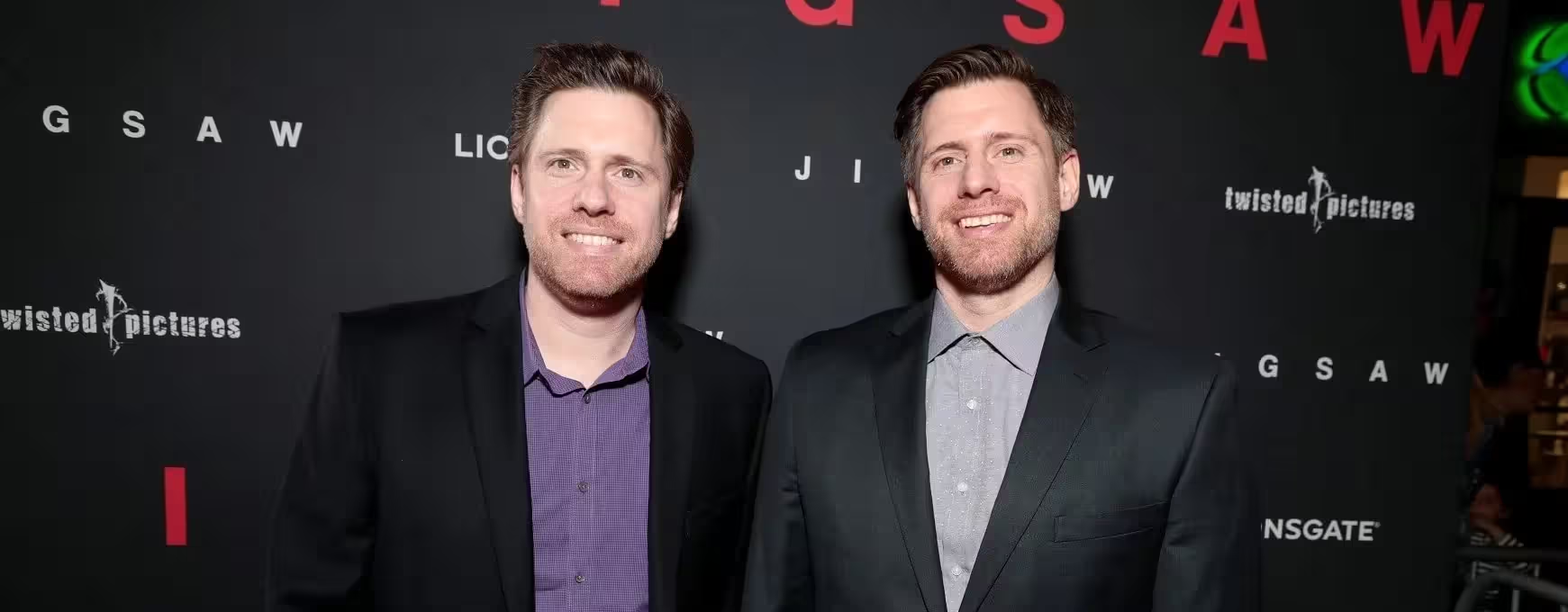
The Spierig brothers, Peter and Michael, take the helm this time. Their résumé tilts toward genre fare and mid-budget shockers: Predestination, Jigsaw, Winchester. That pedigree explains the decision to hand them a modest $3 million budget and a clear directive: mine fear from a single, hostile location. They deliver atmosphere. They do not always deliver the coherence that made the original unexpectedly effective.
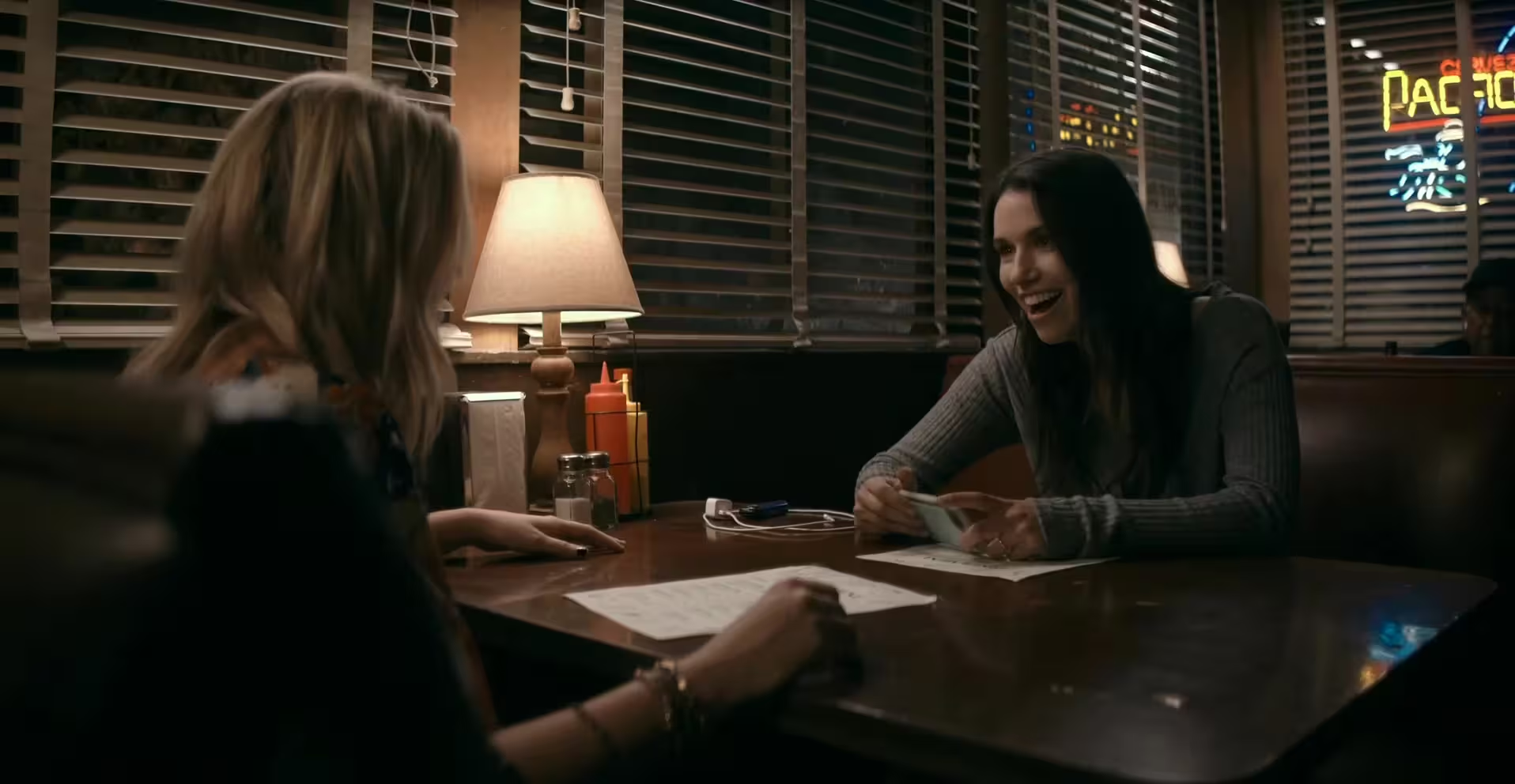
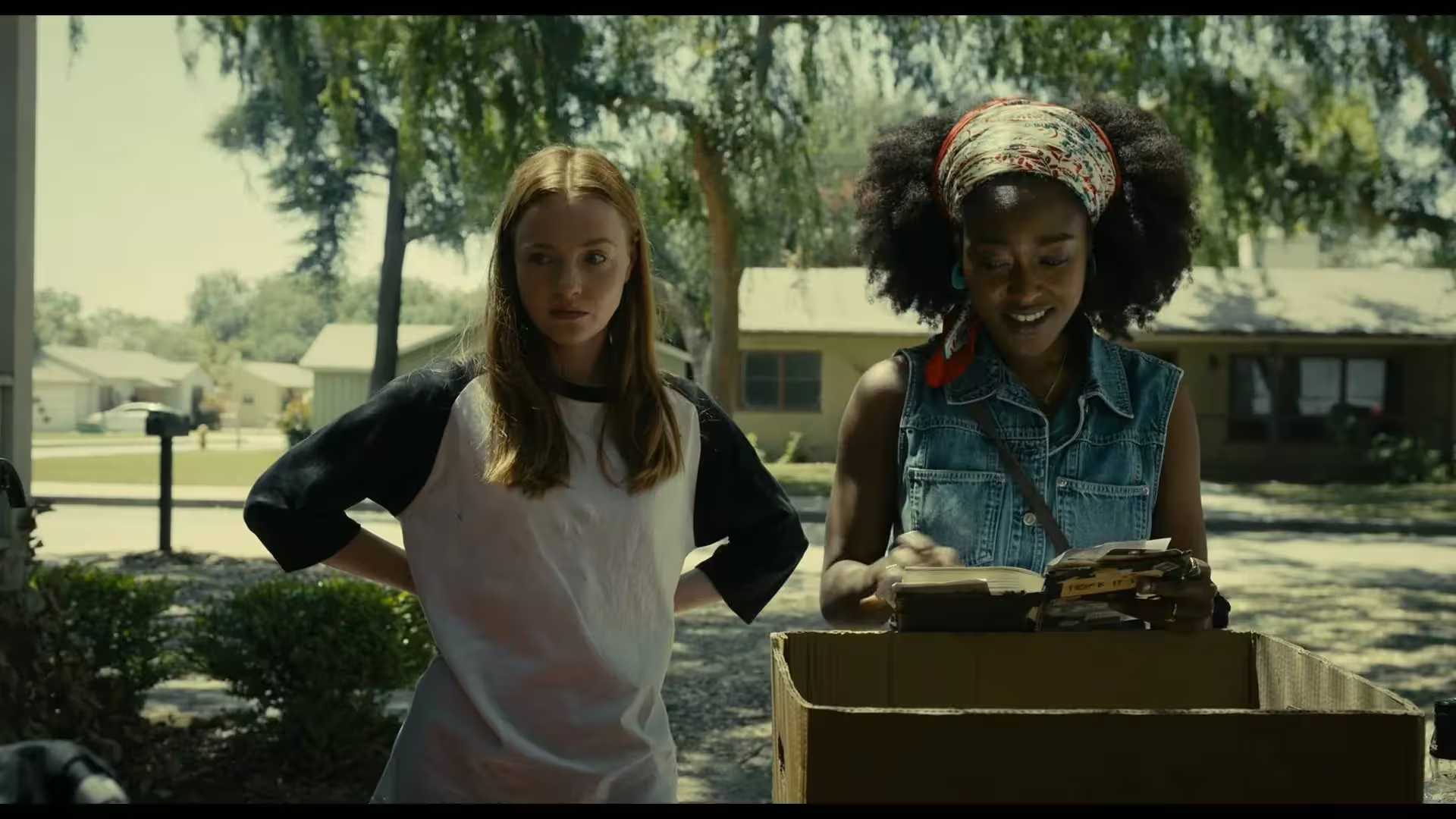
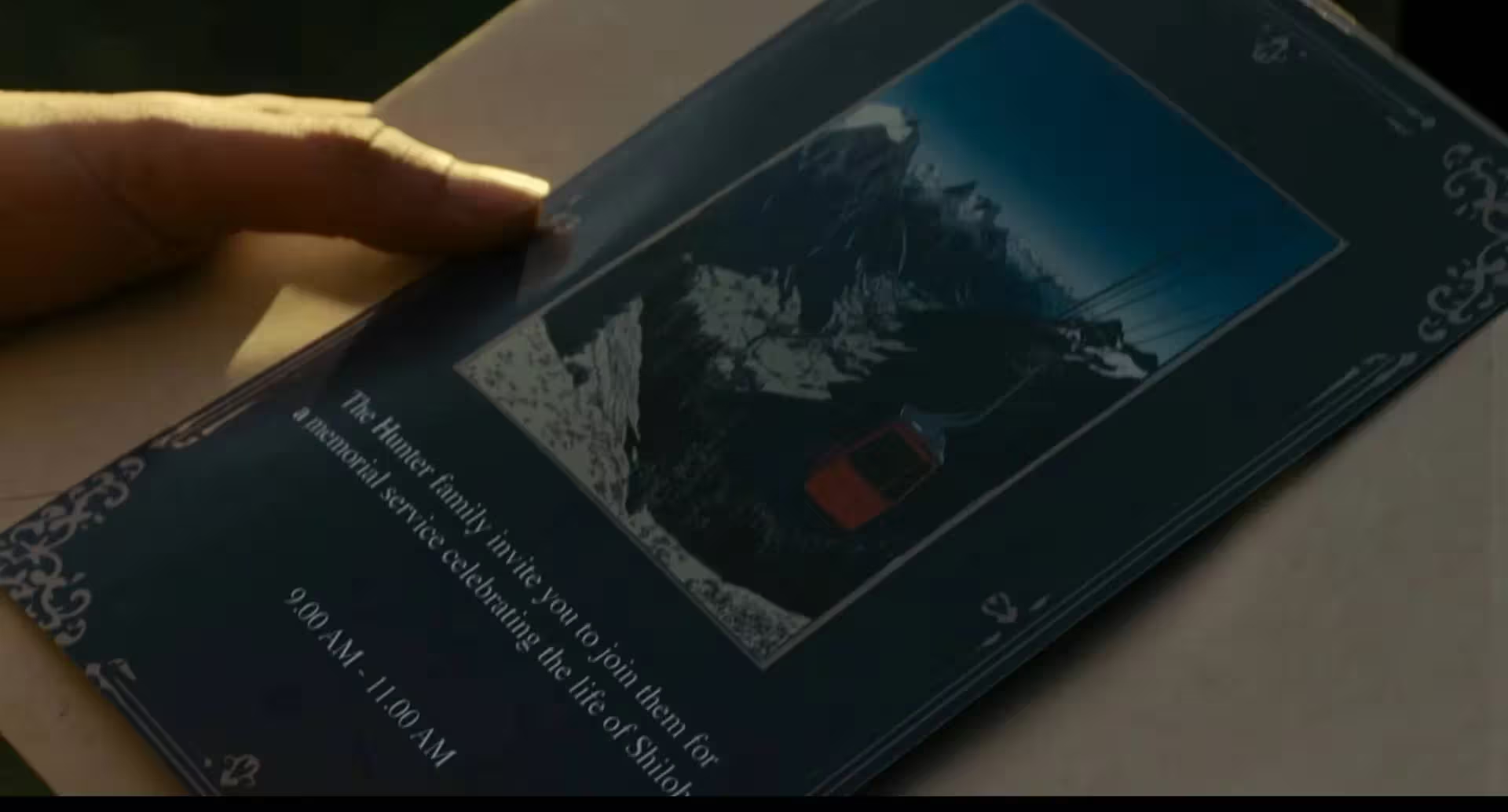
Deadpoint opens with a sharp, rainy prologue: two climbers on a textbook-dangerous ridge, a tremor, a tumble. It’s a brief statement of intent — danger lurks everywhere and the central location, Khao Kuan mountain in Thailand, is the film’s true antagonist. Then we meet the lead duo: Jax Hunter (Harriet Slater), sibling of the late Shiloh Hunter, and Lucy — who prefers to be called Billy (Arsher Ali? actually Arsema Thomas in this cast list) — a devoted fan who claims a close friendship with Shiloh. Their grief mirrors the original’s themes: loss, reckoning and the urge to feel alive again by courting danger. Unlike Becky and Shiloh in Fall, these two are amateurs. They need a guide and find John (Tom Brittney), a grizzled Brit with his own secrets.
The film leans hard into night photography, low-key lighting and a tense score from the Despic team to create a heavy, claustrophobic tone. It’s a stylistic choice that distinguishes Deadpoint from Fall’s sun-bleached exposures atop a 610-meter bridge. The result: long stretches of effective dread and visual textures that feel fresher than a simple rehash would.
Still, the movie’s biggest wins and losses come from its writing. Scott Mann and Jonathan Frank return as screenwriters, but changes behind the camera shift the film’s rhythm. In places the script repeats beats from the first movie almost verbatim: the grieving hero(ine), the ill-fated rope-and-plank set pieces, the stranded-in-tight-quarters trope. Repetition is fine when you reinvent the execution. Deadpoint sometimes reinvents; sometimes it just copies — and viewers will notice.
The sequel delivers pulse-pounding peaks but is frequently undone by lazy plotting and unnecessary twists.
Character chemistry is a mixed bag. Harriet Slater gives a committed performance as Jax; she portrays fear and stubbornness with convincing economy. But the emotional tether between Jax and Lucy never quite sparkles. Where Fall traded on the intimacy and believable skill set of two experienced climbers, Deadpoint asks us to root for inexperienced tourists who conveniently trigger emotional beats but lack the earned rapport that would make their peril bite harder.
Plot twists are scattered throughout the film — some land, some flop. The second-act reveal about Lucy/Billy’s illness is the strongest of the bunch: it humanizes her reckless impulse and reframes her motivations in a meaningful way. That twist raises the emotional stakes and gives the story a moral center. Other twists — notably the fentanyl subplot and John’s reveal — feel contrived. They create moments of shock but strain plausibility. Why would a character transport controlled substances up a treacherous mountain only to drop them in a fit of conscience? Such choices wrench viewers out of the immediate spatial dread and into murky character logic the screenplay does not fully support.
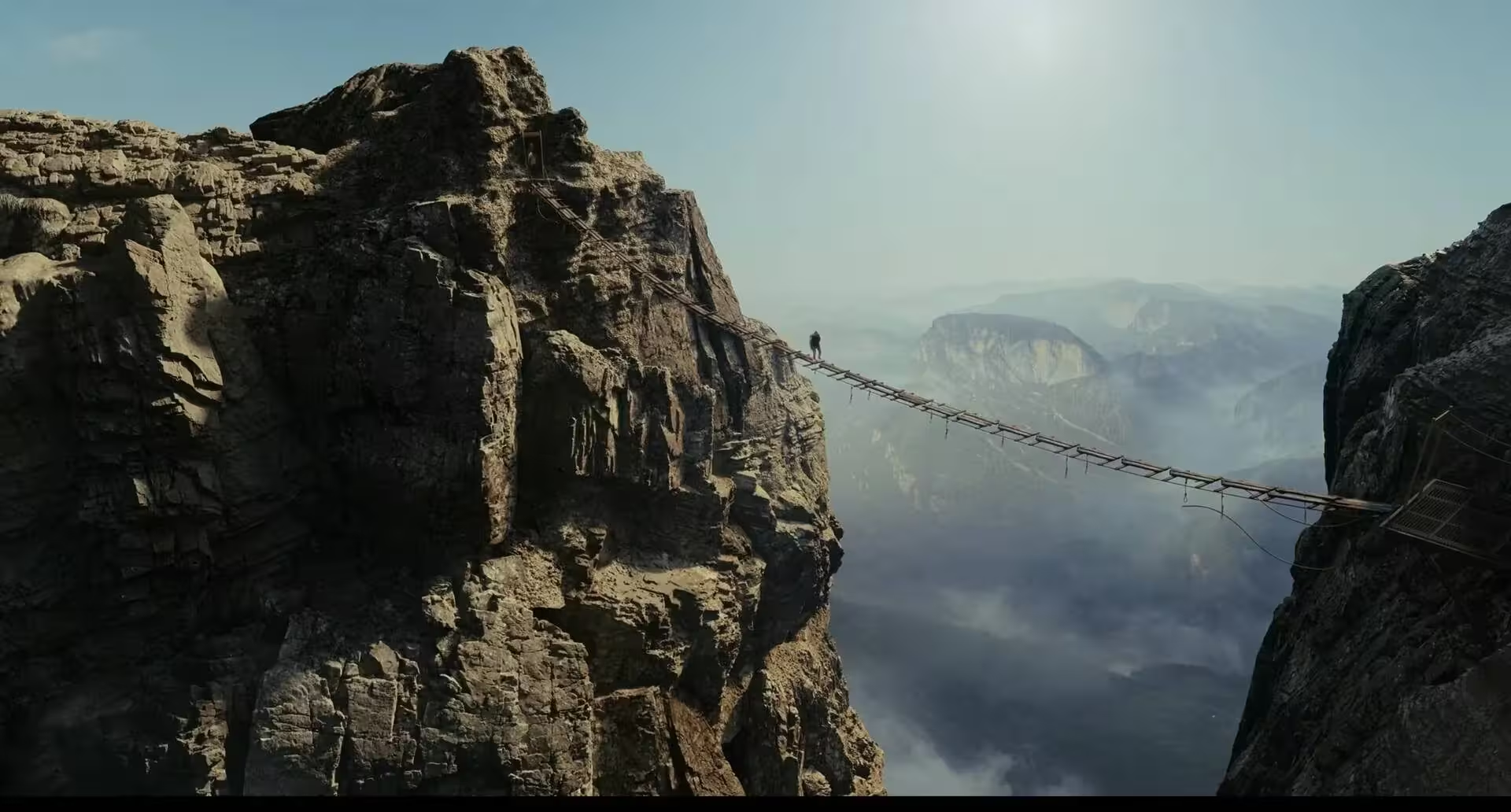
Executionally, Deadpoint succeeds most when it trusts the premise. The mountain, the narrow planks, the trembling ropes: these physical rules produce genuine suspense. One sequence — Jax leaping across unstable bars in slow motion to retrieve a stranded backpack — is filmmaking at its most efficient: smart blocking, a propulsive score, and a central performance that blends terror with determination. That scene alone justifies a ticket for fans of edge-of-seat craft.
Conversely, the film undercuts tension by turning potentially lethal setups into safe conversation spots. Moments that should keep the audience breathless instead become opportunities for exposition or offhand banter. In a genre governed by the ticking clock of survival, giving characters long, calm conversations in the eye of danger dissipates tension like wind on a candle.
Visually, Deadpoint is competent. The Spierig brothers and their cinematographer produce striking frames in low light, and the Thai location is used to excellent effect. The sound design and score amplify the film’s interior claustrophobia. But composition and mood do not fully compensate for holes in pacing and logic. Where the original relied on scarcity — two characters, one location, ruthless stakes — the sequel adds new elements and plot turns that dilute focus.
Still, for viewers who came for the physical fright, Deadpoint supplies. The film is uneven, yes, but it’s rarely boring. It extends the franchise world by connecting to the events of Fall while planting seeds for another installment — a possible showdown between Jax and Becky looms like a dark silhouette on the horizon.
If you want to judge this movie purely as a ride, accept its imperfections and strap in. If you crave a sequel that builds on its predecessor’s minimalist tension with smarter character work and tighter plotting, Deadpoint will feel like a missed opportunity. Either way, there’s enough raw, vertical terror here to keep the heart rate honest.
Score: 6/10

Leave a Comment
Comments (1)
Wow, didn't expect a sequel to feel this tense at night. Some twists are dumb tho, but that slow-mo jump scene? chef's kiss. kinda messy but worth it.