
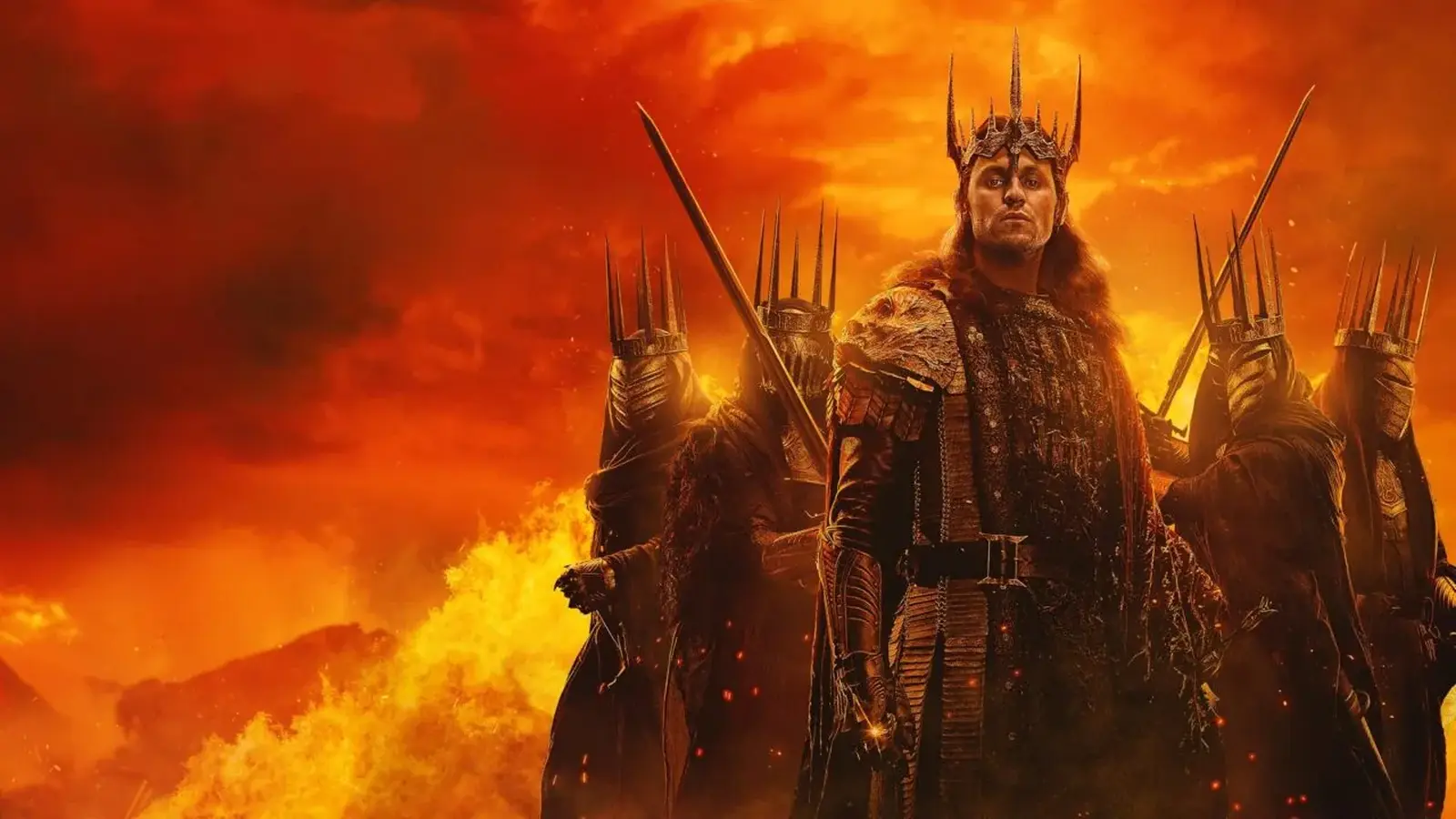
When a high-profile fantasy epic returns after a two-year silence, expectations roar louder than any battle horn. The Rings of Power comes back on November 11 with four episodes at once, and early screenings suggest the show is leaner, meaner, and dramatically louder than before.
The new season opens five years after season two, with Sauron — played by Charlie Vickers — no longer a shadowy whisper but a rising storm. His lust to forge the One Ring and dominate Middle-earth drives events forward, while Galadriel (Morfydd Clark), Elrond (Robert Aramayo) and their allies scramble to hold the line.
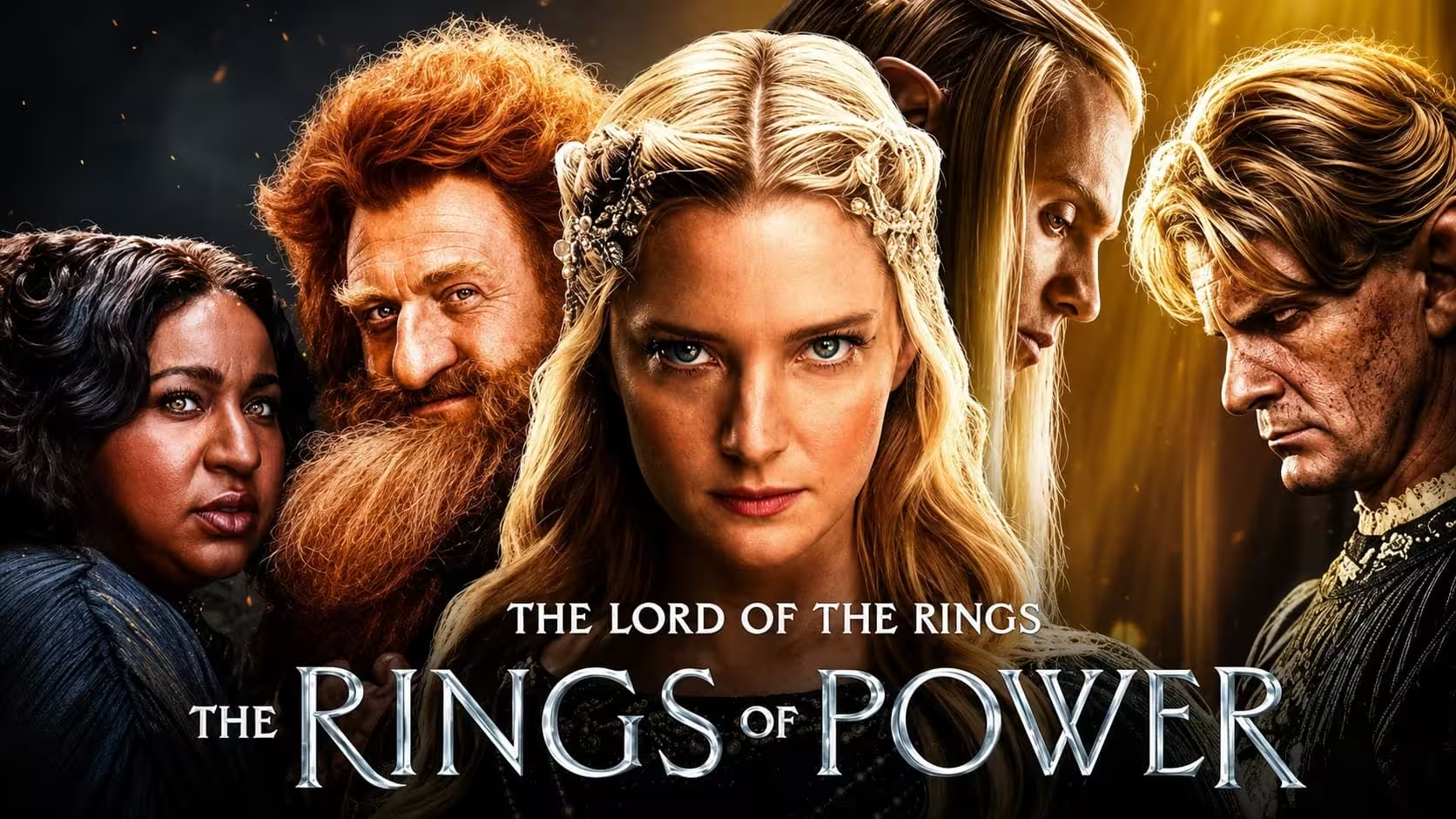
A handful of critics were able to see the first two episodes ahead of the premiere. ComicBook's Chris Killian called them outstanding and singled out Vickers, writing that he quite literally radiates evil. That blunt, physical menace is a recurring compliment — critics say Sauron finally feels unambiguous, dangerous and immediate.
Nerdist's Rotem Rossak, a fan of earlier seasons, went further and described the opening as among the show's very best, adding that every character lands and the stakes feel televisually grand. GamesRadar+ reviewer Fi Watson found the premiere epic in scale and tone, and said Vickers revels in a character approaching the height of his power. CBR's Rachel Leishman echoed the praise, noting the series feels sharper and more compelling than ever.
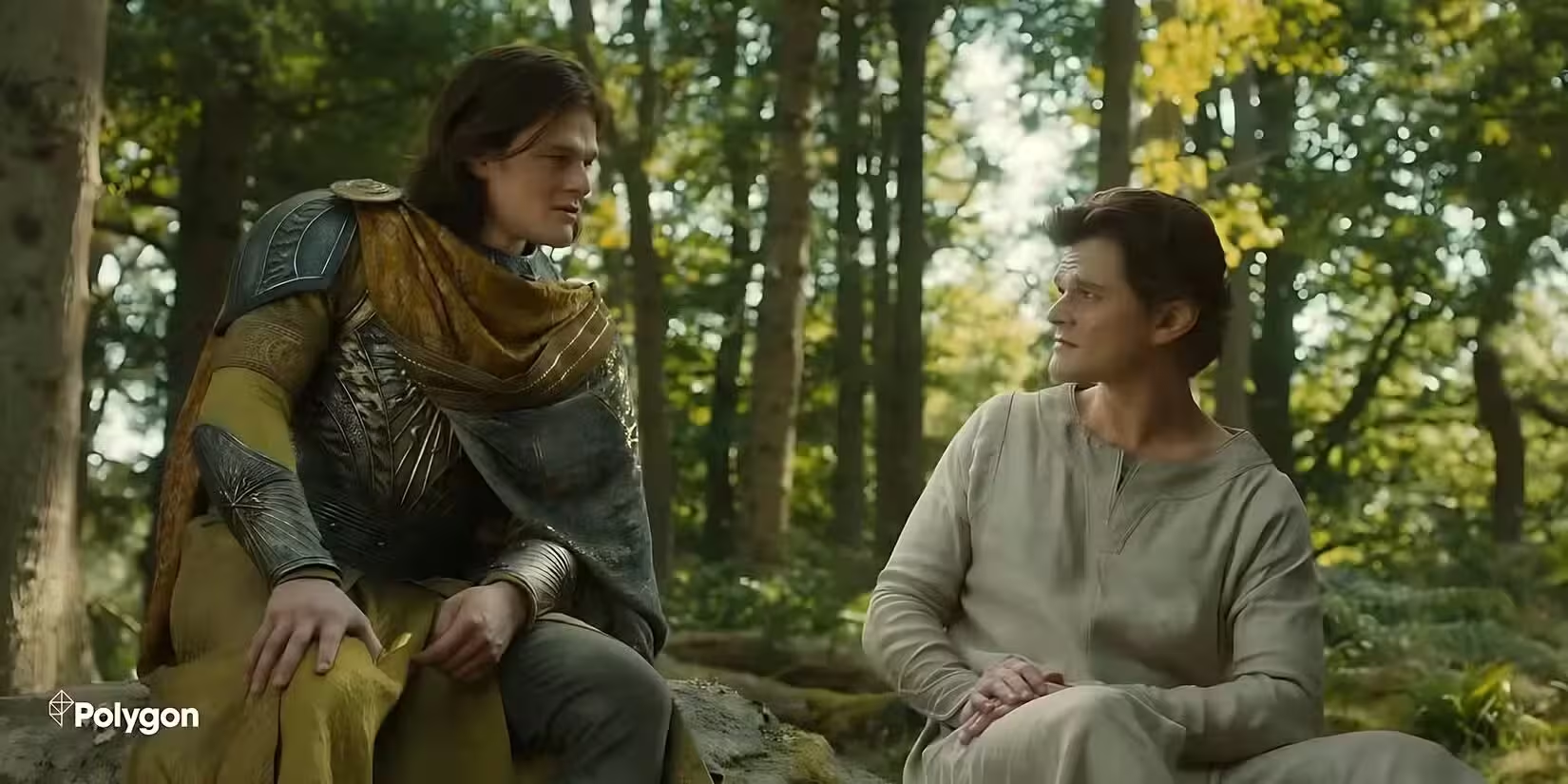
Early praise is rarely neutral. But the pattern here is clear: reviewers are pointing to three big wins — a darker, well-defined Sauron, the introduction of the orc Marnukh (credited in early notes as played by Adam Young), and a marked increase in story scope and urgency. Marnukh, a new face in this era, is described as an orc who breaks with Sauron's ranks and offers an unexpected perspective on the coming war.
Showrunner Patrick McKay characterized season three as a soft reboot for the series, using a five-year jump and an in‑media‑res opening to plunge viewers straight into heightened conflict. The gamble seems to be paying off for at least the episodes shown so far.
One repeated observation: the season hits the ground running. Faster pacing and immediate set pieces could answer a common critique of earlier seasons, which some found slow to unfold. Caveat emptor: critics have only seen two of the four premiere episodes so far, so the full impact of this new tempo will reveal itself as more episodes are shown to the press and audiences.
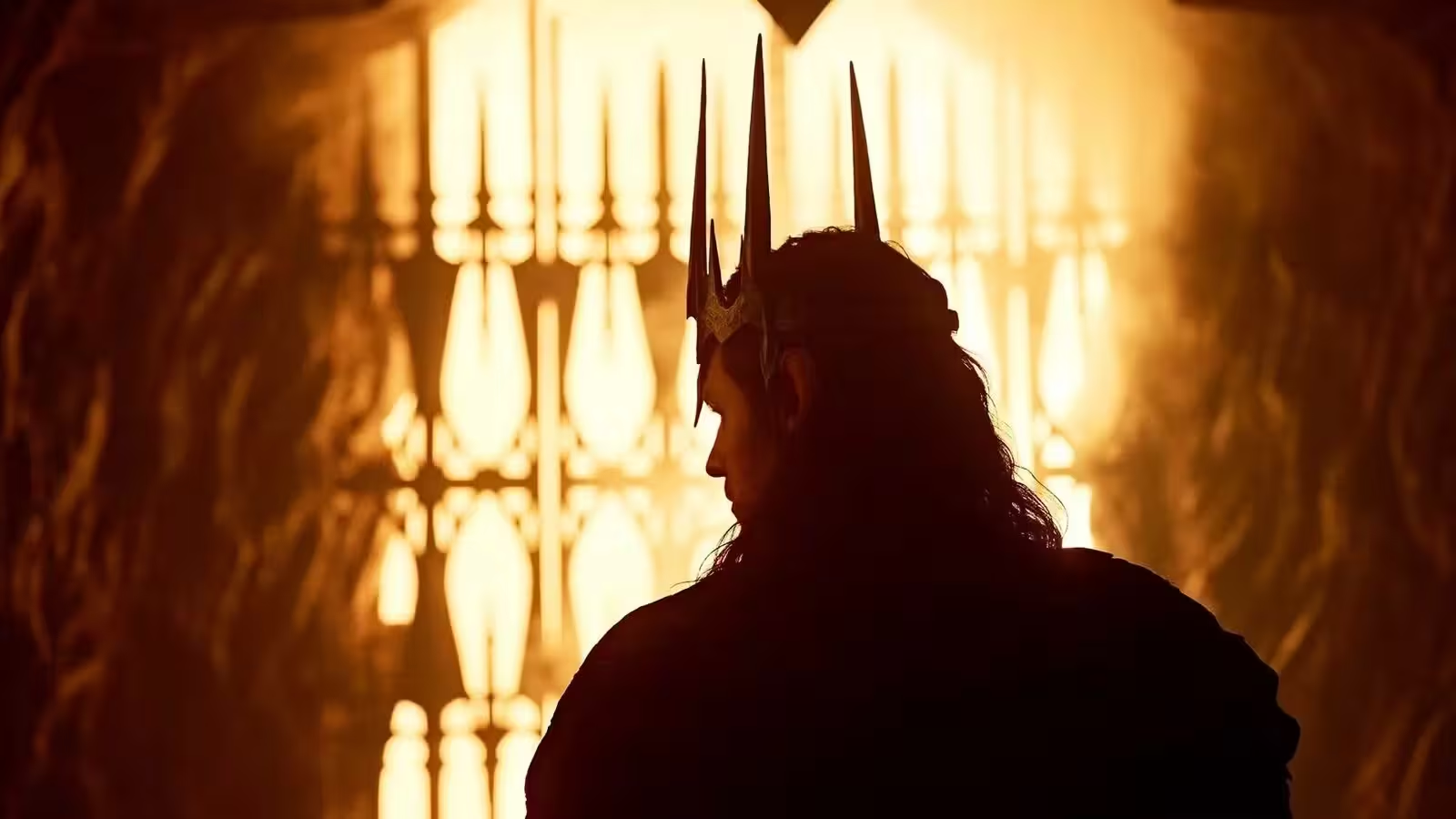
There are narrative pressure points that have been building since season one. Tensions within Númenor's ruling class are closer to boiling — Elendil (Lloyd Owen), Míriel (Cynthia Addai-Robinson) and Pharazôn (Trystan Gravelle) are now actors on a collision course that may redefine the island kingdom. And as Sauron stops hiding behind other guises, his open malevolence reshapes the moral map of the series.
Alongside the central players, season three populates its battlefield with familiar and new faces: Arondir (Ismael Cruz Córdova), Gandalf (Daniel Weyman), a dark wizard portrayed by Kieran Hinds, Gil-galad (Benjamin Walker), Isildur (Maxim Baldry), the figure listed as Kellborn (Jamie Campbell Bower), Durin IV (Owain Arthur) and Disa (Sophia Nomvete). Simon Peg is also credited as the voice of a Balrog, a casting detail that alone has fans buzzing.
Early reviews hint this could be the most confident, cinematically scaled season yet. Whether that promise holds across the entire run will be decided by viewers when Prime Video drops those four episodes on November 11 — and by the worldwide audience that tunes in thereafter.


Leave a Comment
Comments
No comments yet. Be the first.