

This movie walks into the arena with swagger—and comes out carrying baggage. Sunrise on the Reaping is the sixth film in the Hunger Games cycle, directed and produced by Francis Lawrence from a screenplay by Billy Ray and Michael Lesslie, adapted from Suzanne Collins's prequel novel. It positions itself as both a sequel to 2023’s The Ballad of Songbirds & Snakes and a prelude to the 2012 original, tracing the roots of Panem’s most traumatic traditions.
Expectations were high. Names on the marquee help: Joseph Zada, Jesse Plemons, Ralph Fiennes, Glenn Close, Kieran Culkin, Elle Fanning, McKenna Grace, Maya Hawke, Whitney Peak and Kelvin Harrison Jr. Lawrence’s return to the director’s chair only deepens the sense that this is a central chapter—one that should answer questions and stir the pot.
Critics, however, are split. On Rotten Tomatoes the film sits at 75% from 80 reviews; Metacritic’s aggregate puts it at 56 out of 100 from 29 critics. Those numbers tell the tale: a picture many find solid and entertaining, and a roughly equal number who feel it undercuts its own ambitions.

Some reviewers praise the movie’s emotional intelligence and its willingness to speak frankly to an audience that grew up with these stories. RogerEbert.com suggests the film resonates with viewers who matured in politically volatile times—cinemagoers now old enough to recognize the cost of fanaticism and the price of survival. TheWrap sees a rare balance here: it entertains while nudging viewers toward uncomfortable reflections.
Others point to clear strengths: Lawrence’s signature visual palette and the film’s kinetic action sequences. Slashfilm calls it one of the strongest action entries in the franchise, and Collider notes a narrative and tonal improvement over the prior prequel, arguing the movie ties Hiemich’s backstory into the broader saga with quiet, effective strokes.
But praise stops where novelty begins to wane. Several critics argue that Sunrise on the Reaping often falls back on familiar franchise rhythms—spectacle first, invention second. The A.V. Club finds the new protagonists engaging yet not as hauntingly memorable as earlier tragic lovers in the series. Screen Rant and Empire also acknowledge the film’s craft while warning that nostalgia and franchise-minded choices sometimes overshadow bold storytelling.
At the harsher end, reviewers accuse the film of being an assembly of past glories rather than a fresh contribution. IndieWire describes the pace as wearisome and the emotional thrust as overreached in places; The Guardian goes further, dubbing the movie largely unnecessary beyond its commercial appeal. A handful of critics call the film a visually dazzling but narratively thin exercise.
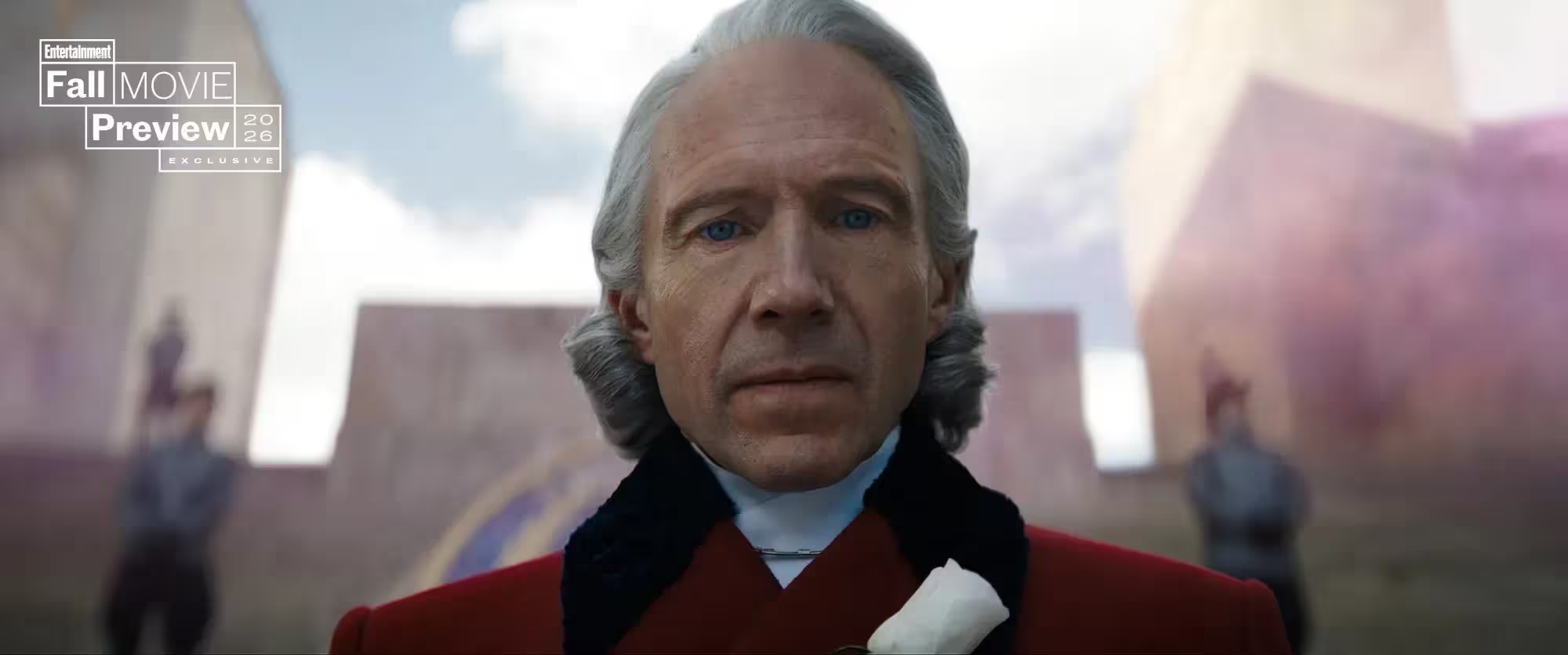
Despite striking visuals and committed performances, the film’s reliance on established formulas keeps it from feeling truly indispensable—yet many fans will still find plenty to enjoy.
So where does that leave Sunrise on the Reaping? It’s an uneven entry: occasionally striking, occasionally safe. A handful of scenes cut deep; others merely pat the familiar scars of the franchise. If you care more about character texture and franchise lore, you’ll find nourishment here. If you came for a reinvention, prepare to squint.
In the end the movie asks a question the series has always returned to: what price do we pay for spectacle—and who gets to decide which lives matter? Go see it, or let the debates rage online. The choice, as always in Panem, is yours.


Leave a Comment
Comments
No comments yet. Be the first.