
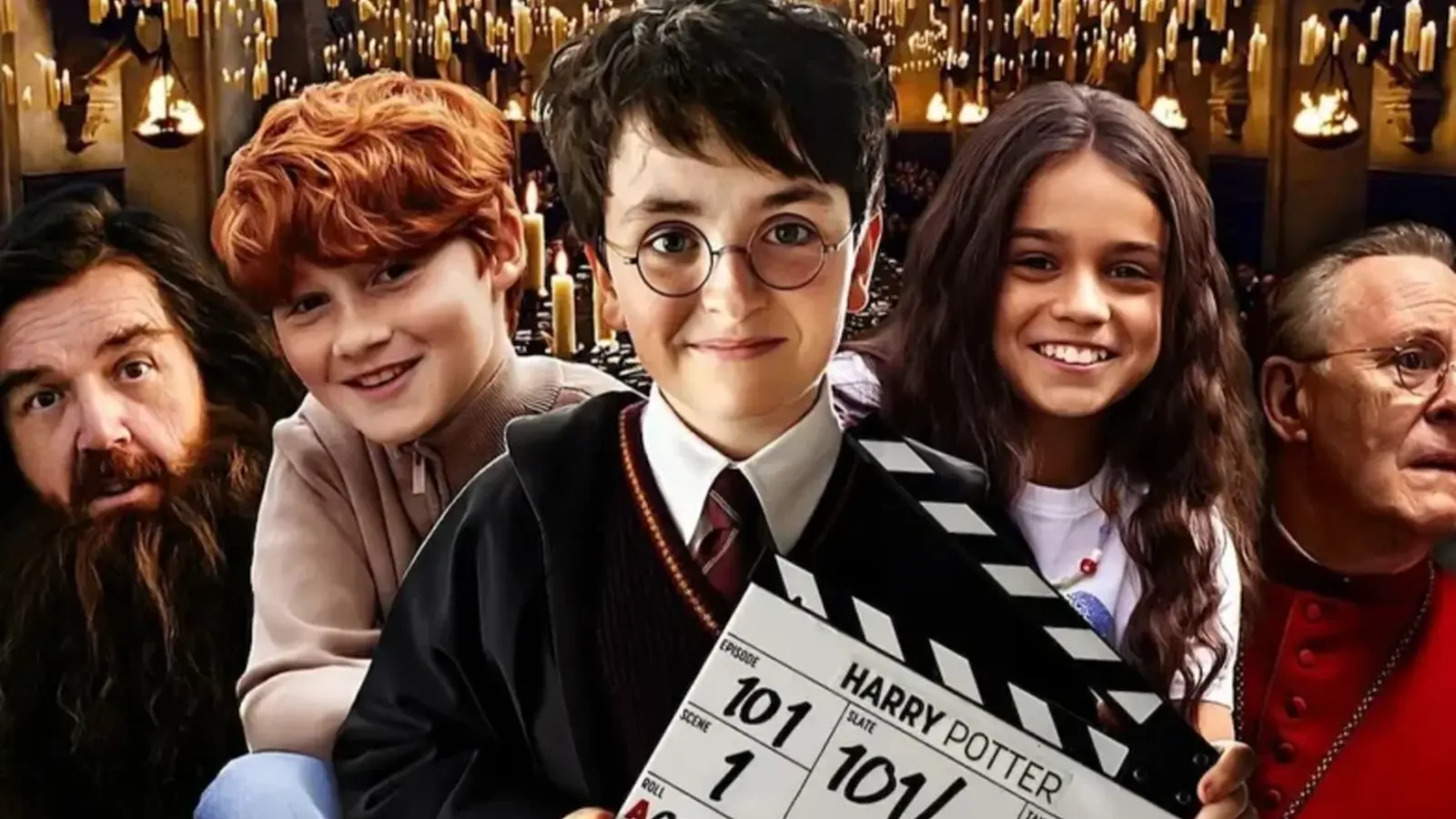
Ten hours of Hogwarts. Say that out loud and it sounds like a feast for fans — or a dare to the franchise.
Johnny Flynn, who steps into the role of Lucius Malfoy for HBO's new Harry Potter series, told Deadline at the London Film Festival that the first season runs roughly ten hours. That figure pushes past earlier reports of an eight-hour season and, crucially, comes before any official confirmation from HBO.
The news matters because of how the creators are pacing the story. The first season was widely reported to adapt The Philosopher’s Stone across eight episodes, but a longer cumulative runtime suggests the finale might be stretched to give the climax room to breathe. Longer runtimes don’t just pad scenes; they change storytelling rhythms. They allow for breaths where films would have held theirs.
Flynn also revealed a structural tweak: his Lucius appears earlier in the timeline than book readers might expect, showing up before the events of Chamber of Secrets. It’s a small change on paper — but for character work, it’s huge. He praised Lox Pert, who plays Draco, saying the young actor “is astonishing” in the part. Short sentence. Big compliment.
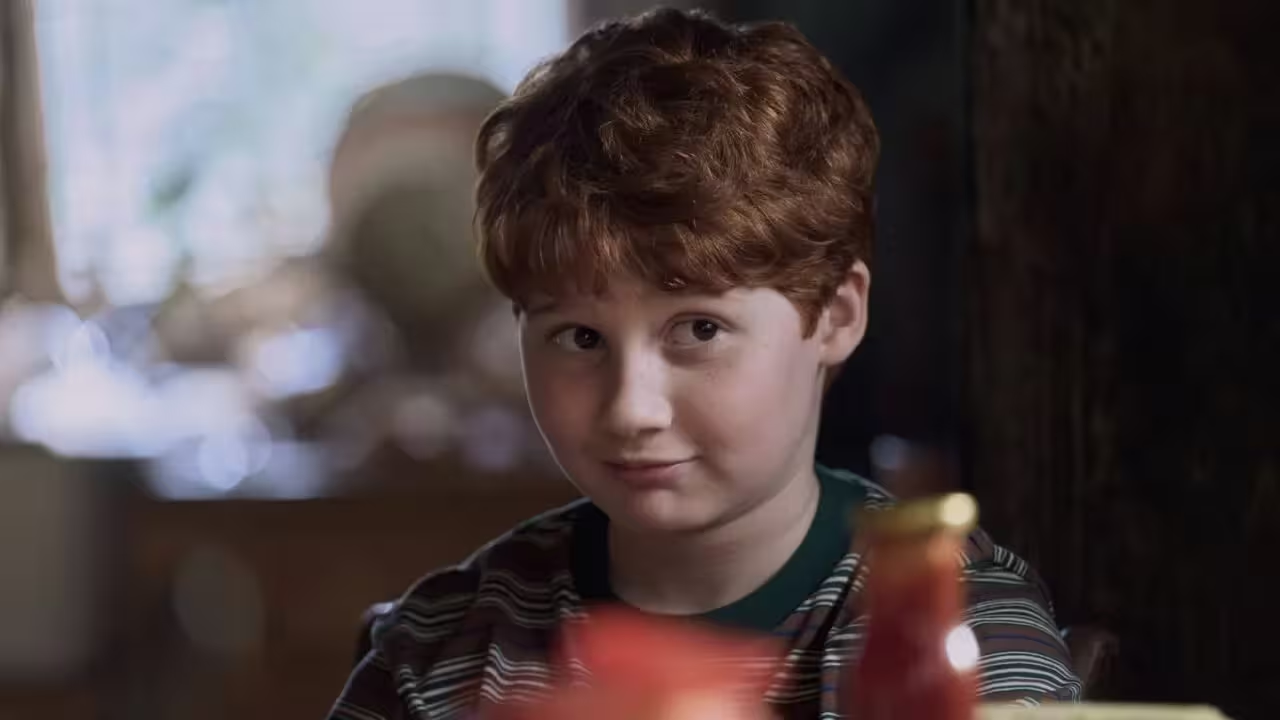
One of the arguments for a serial retelling has come straight from a producer who knows the material intimately. David Heyman, who produced the original film adaptations, told the podcast Harry Potter: From Film to Series that the episodic format gives creators room to excavate emotions and motivations that the movies, squeezed by runtime, could only hint at. The result, he said, is a chance for viewers to feel characters more deeply and to stay with them longer.
It’s not just creative taste driving the conversation. Commercially, Harry Potter is a behemoth: the novels have sold more than 600 million copies worldwide, and Warner Bros.’ eight-film run reached nearly $8 billion at the global box office. The franchise has been expanded with theme parks, merchandise, and spin-offs — and now a series that promises to treat the original material with a different kind of patience.
Casey Bloys, CEO of HBO, has already chimed in after watching the full season. His verdict was simple and bullish: he said he loved it and felt great about the result. That kind of endorsement from the top of a premium network raises expectations and scrutiny in equal measure.
For viewers who remember Jason Isaacs’s snarling Lucius in the movies, Flynn offers an alternate lens. He frames Lucius as someone who once knew vulnerability: a schoolboy who was bullied and later adopted bullying as the only language he understood. “He became the kind of man who uses force because he never learned any other way to behave,” Flynn said, sketching a backstory that could humanize or complicate a character often played as pure antagonist.
Details remain deliberately scarce until the December 25 release on HBO Max, but between casting notes, runtime whispers, and producer testimony, a picture is emerging: HBO is betting that time and nuance will refresh a world nearly three decades old. Will deeper roots and lengthier scenes uncover new textures in familiar faces? Expect answers when the season drops and the conversation resumes.


Leave a Comment
Comments
No comments yet. Be the first.