
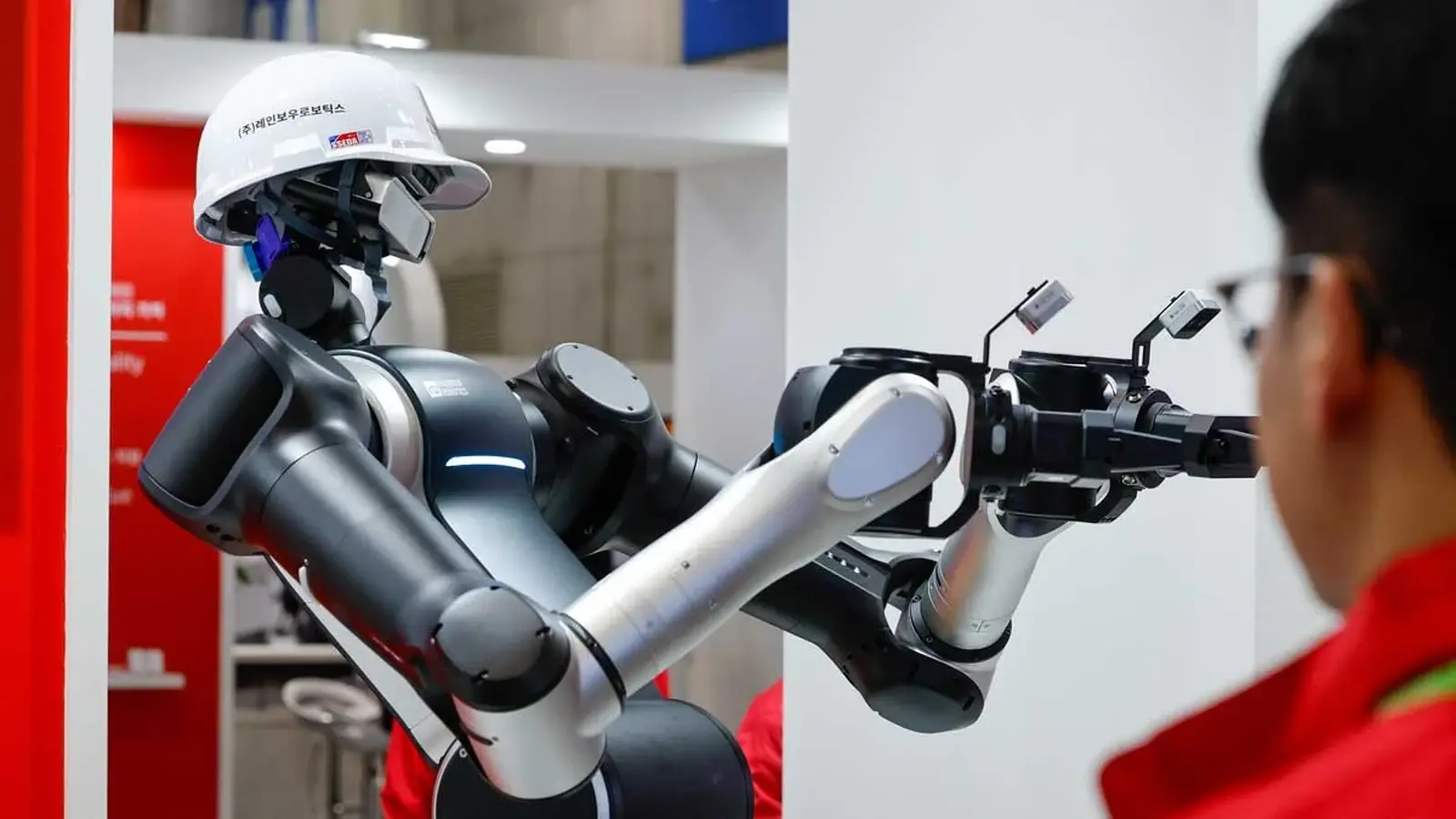
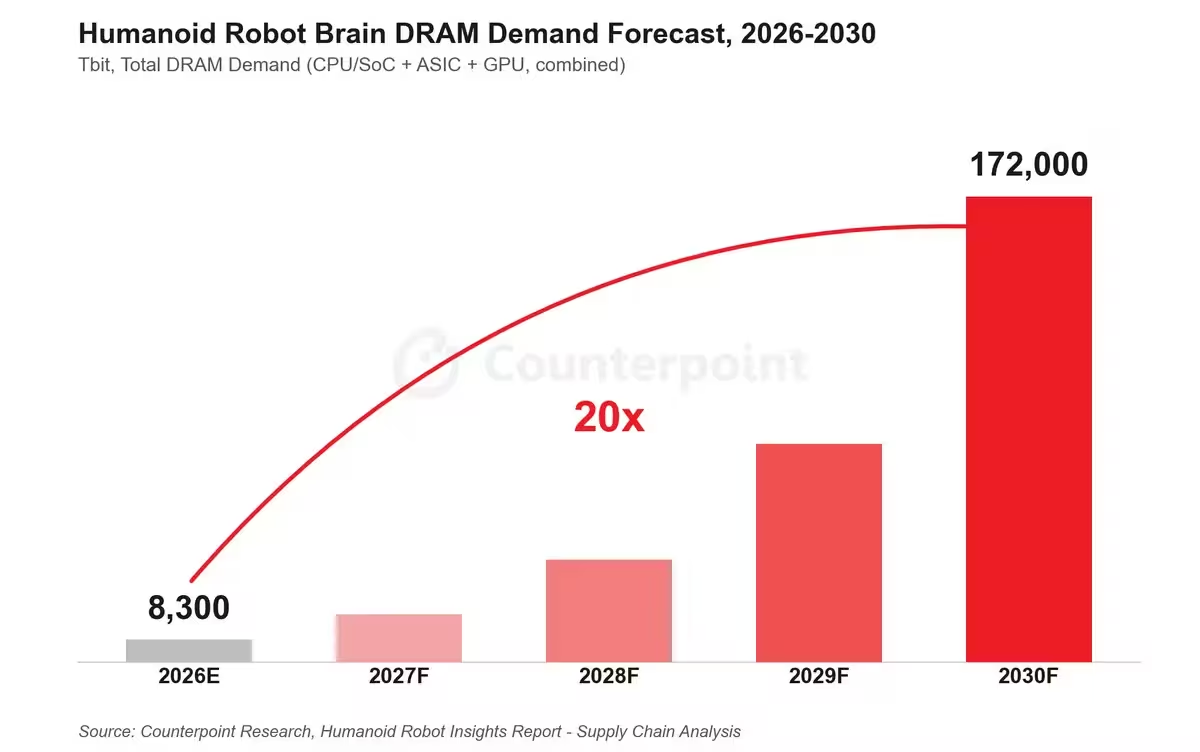
Counterpoint Research estimates DRAM demand for humanoid robots' computing units will climb from approximately 8,300 terabits in 2026 to 172,000 terabits by 2030, more than a 20-fold increase, potentially opening a new DRAM market for Samsung Electronics and SK Hynix beyond AI data centers.
Average DRAM capacity per robot is expected to rise from about 19GB to 39GB over the same period.
Counterpoint attributes the growth to two simultaneous trends: rising unit shipments and increasing memory requirements per machine.
Counterpoint expects global humanoid robot shipments to exceed 50,000 units this year, after more than 22,000 shipments in the first half of 2026. By 2030, annual shipments could reach approximately 256,000 units.
Micron has also projected that a humanoid could require roughly ten times the memory of a typical Level 2+ autonomous vehicle.
Humanoid robots remain far from smartphone-level adoption, and projected demand will depend on deployment costs, battery efficiency, and practical commercial use.
High-bandwidth memory helped make AI data centers a major memory growth engine. Low-power DRAM and NAND could give Samsung and SK Hynix another reason to invest in the next wave of AI hardware.

Leave a Comment
Comments
No comments yet. Be the first.