

Imagine making a movie and finding half the internet has already set the verdict. That was Zack Krieger’s unwelcome surprise while steering his take on Resident Evil.
Fresh off the buzz from Barbarian and Weapons, Krieger welcomed the chance to dig into a legendary video game franchise. He didn’t want to retread familiar beats. Instead he wrote a film built around a new character and a fresh point of view—an approach that thrilled him during the writing phase.
Then reality intruded. The excitement faded. Fan expectations turned from conversation to siege. Debates multiplied online, many having little to do with the film itself. Creative choices were parsed and weaponized before audiences saw a single frame.
In interviews Krieger has been candid: persistent skepticism and critique felt like an endless campaign to prove himself. He compared the grind to begging for approval. It wore him down. He stopped enjoying the part he used to love most—the work of making something new.
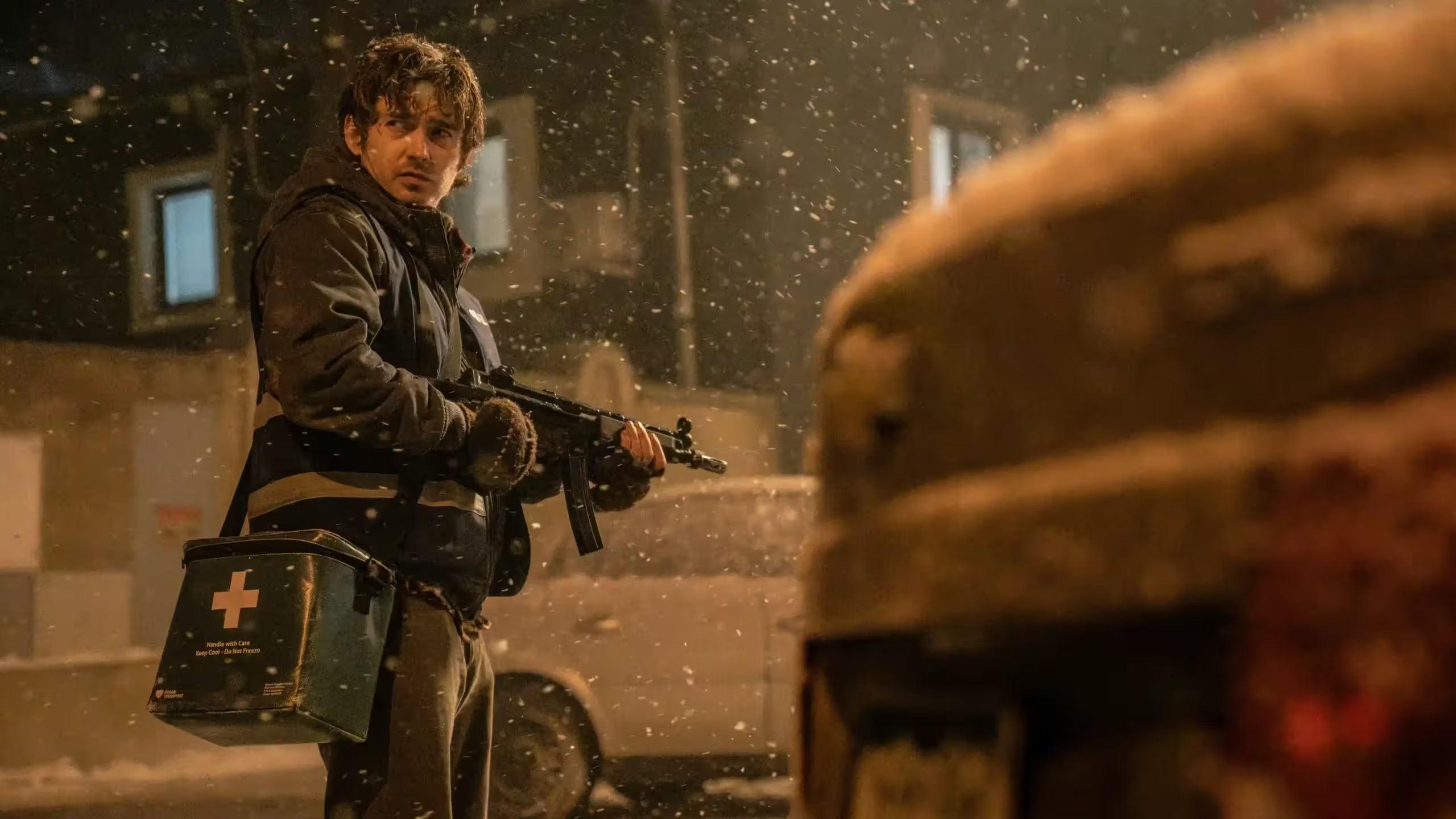
He came to believe the healthiest move was to stop fighting those battles and let the work speak.
That doesn’t mean he’s blind to praise. Resident Evil received a warm reception from many critics and viewers, and Krieger is glad the film found its audience. Still, triumph over pre-release doubters is a hollow prize; he doesn’t expect people who judged the movie from a comment thread to admit they were wrong.
So Krieger is pivoting. His next project, The Flood, is an original sci‑fi starring Jennifer Lawrence—something born from his own ideas rather than shaped by decades of fandom. The freedom is intoxicating. The stakes feel different. He even suspects this film may be the hardest he’s ever made, but also the one he’ll be proudest of.
Will he never return to franchise filmmaking? He won’t close the door. Loyalty to source material is valid. But there’s a gulf between honoring a work and being policed by an army of experts who haven’t seen the finished picture. That kind of scrutiny can drive creators away from established properties.
At a time when fan culture can steer narratives before they’re told, Krieger’s story is a reminder: filmmakers still need room to fail, to surprise, and to build something that stands on its own.


Leave a Comment
Comments
No comments yet. Be the first.