
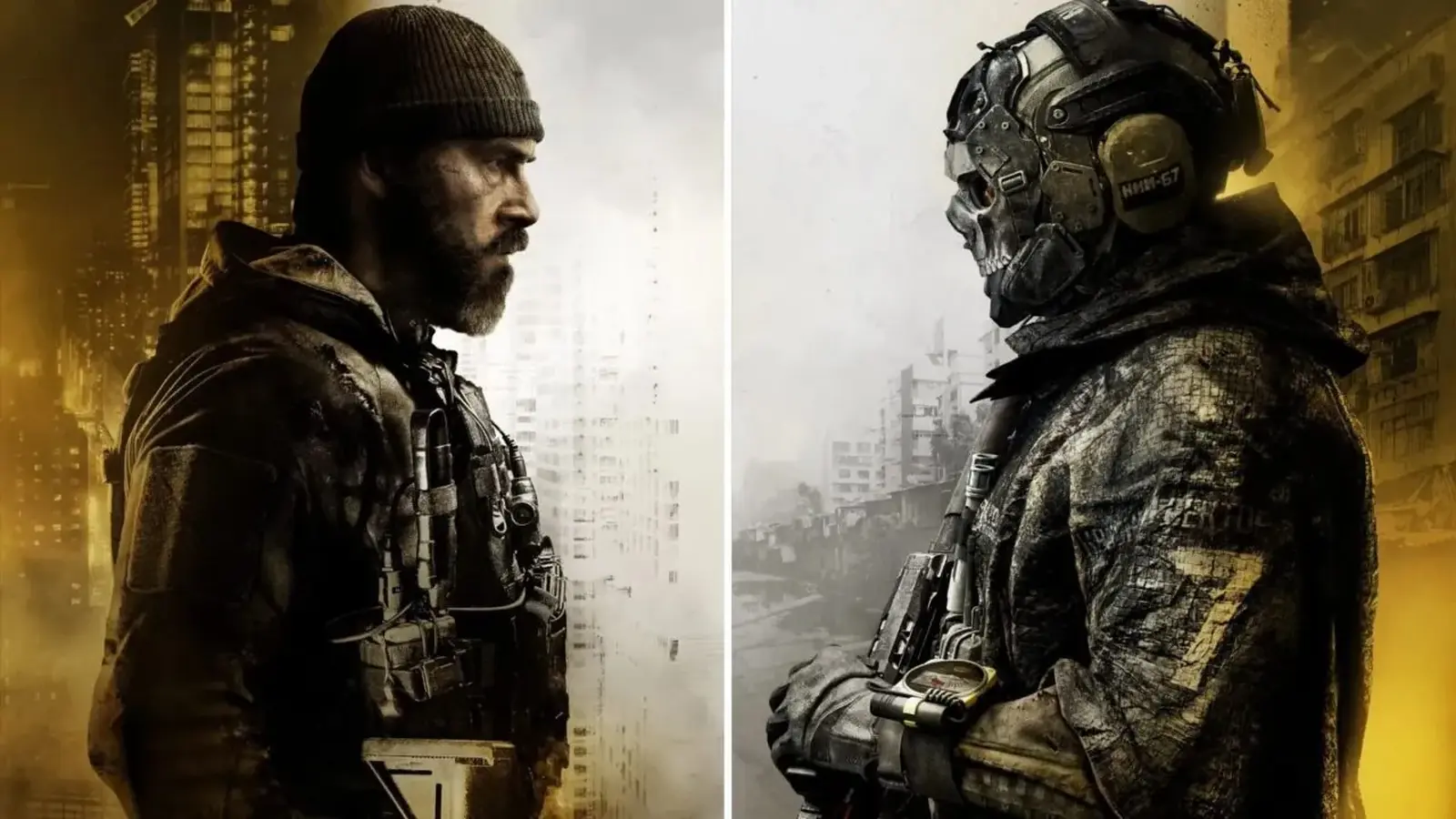
Not every video-game adaptation wants to be a fireworks show. Some aim to be a mirror — cracked, honest, and hard to look into.
That, at least, is Peter Berg's pitch for the upcoming Call of Duty movie. The director known for Lone Survivor and The Kingdom says this won't be a shallow parade of gunplay and set pieces. Expect the hardware, yes. Expect the firefights, of course. But Berg wants the camera to linger on what happens after the smoke clears: the sacrifice, the strain, the small moral collapses that don't show up on a scoreboard.
Can a franchise synonymous with Modern Warfare and iconic faces — Captain Price, Soap, Ghost, Alex — be translated into a film that values human flaw over spectacle? Berg seems convinced it can. He argues those characters are not blank, heroic templates; they're complicated people, each carrying private burdens. The mission, for him and the creative team, is to keep the franchise's pulse while digging for unexpected emotional truth.
Taylor Sheridan, the writer behind Yellowstone and Lioness, is attached to the screenplay. That's a significant signal. Sheridan is not known for glib thrillers; he builds narratives where obligation and consequence pull the strongest strings. Paired with Berg's combat filmmaking experience, the collaboration suggests a Call of Duty film that will prize texture as much as tactics.
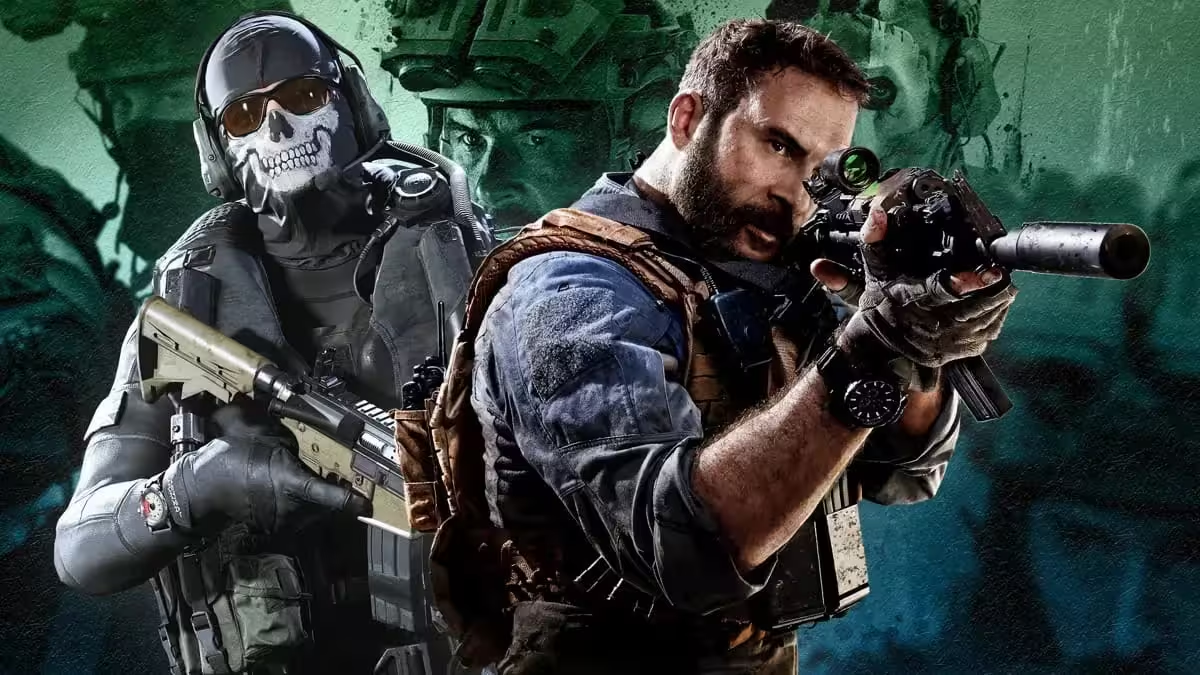
The project is backed by Skydance, Paramount, and Activision. Production is underway, but specifics remain scarce. No complete cast list. No release date yet. Still, elements are lining up to create something that belongs to the Modern Warfare era while also asking bigger questions about what war costs the people who fight it.
This won't be just a parade of explosions and kill counts.
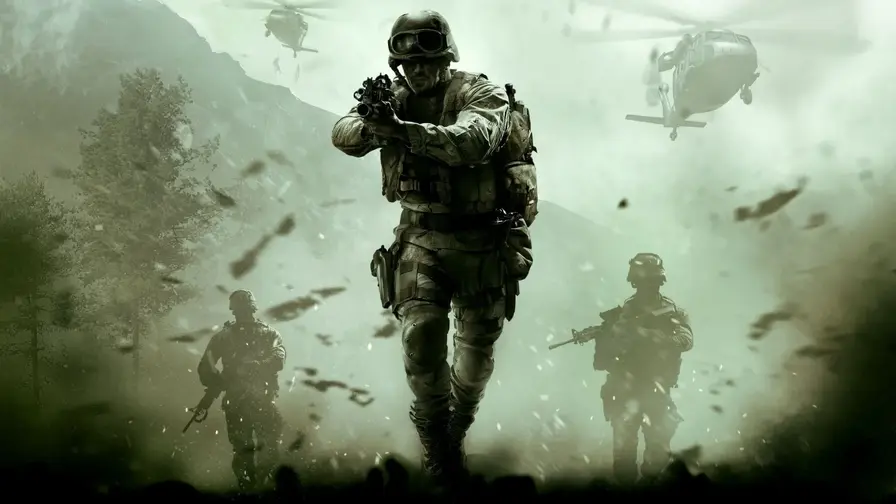
Berg has been discussing these ideas while promoting his latest film, The Mosquito Bowl, a World War II drama arriving on Netflix that explores how young athletes-turned-soldiers faced the Pacific. He's drawing on that experience when he talks about Call of Duty: the way training and brotherhood can collide with trauma; how duty becomes a lived, sometimes unbearable, condition.
He stresses that beneath the weapons and the tactical jargon, Modern Warfare's world contains stories that deserve nuance. Characters like Price or Ghost might be recognized by gamers for their silhouettes, but Berg promises films that treat their inner lives as non-negotiable. The violence serves the story rather than the other way around.
How violent will it be? Berg hedges. He suggests the tone won’t be a carbon copy of The Mosquito Bowl's intensity, but that doesn't mean sanitization. Instead, he hints at an approach where consequence matters — where the rhythm of an action scene includes the aftermath, not just the crescendo. That's where he thinks the franchise can feel both faithful and fresh.
There are practical challenges. Translating an interactive experience into a linear narrative always forces choices. Which missions become set pieces? Which backstories get the screen time? Fans want recognizable beats. Filmmakers want dramatic coherence. The hope is a balance: familiar iconography and a story with emotional stakes that stand on their own.
For now, the film sits in production limbo with more questions than answers. Who will embody those beloved characters? When will cameras roll in full? Will the movie satisfy gamers and moviegoers in equal measure? All of that will unfold, piece by piece, as casting and marketing reveal themselves.
One thing Berg keeps coming back to is duty — not as a fictional trope, but as an ethical and psychological pressure. Soldiers in his telling are people who carry other people's safety on their shoulders. The film, he implies, should make audiences feel that weight, not merely admire the tactics used to shoulder it.
If the Call of Duty film truly aims to pair military action with a reflective core, it could change how studios approach game adaptations: less spectacle-first, more story-first. Either way, the gamble is clear. A blockbuster that also asks hard questions about the cost of protection isn't a common offering. So the real question becomes: are we ready to watch our favorite shooter ask us to feel?


Leave a Comment
Comments
No comments yet. Be the first.