
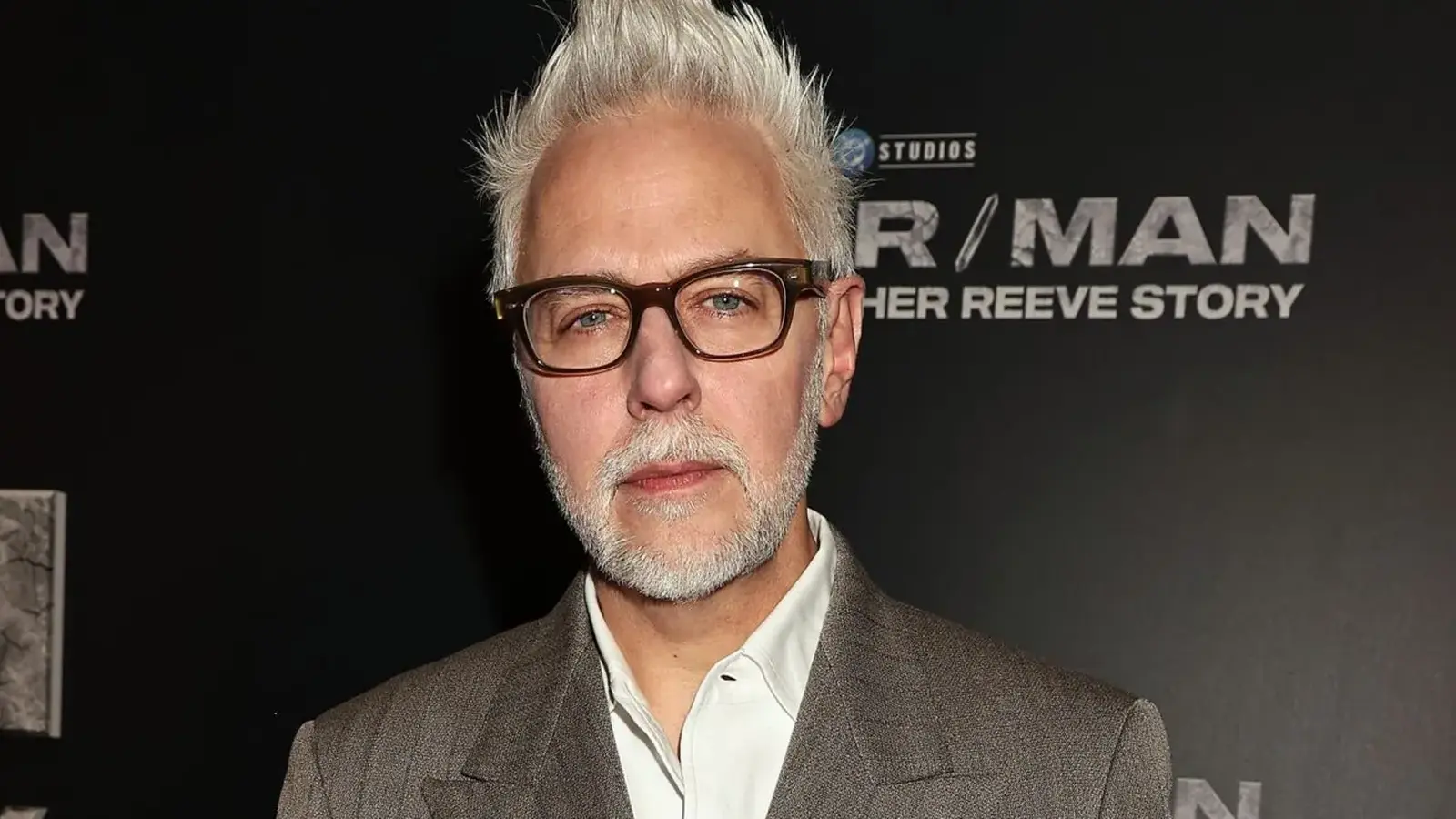
James Gunn has quietly signaled a major shift: he’s trading the executive chair for a director’s chair. The change showed up on his Instagram in the most telling of ways — he removed “co-CEO of DC Studios” from his profile and, with it, a public promise to return to hands-on filmmaking.
He and Peter Safran, the duo who reshaped DC’s cinematic strategy, are stepping away from day-to-day studio management starting December 1. Gunn confirmed that his role will now be limited to writing and directing. That’s not an exit. It’s a course correction toward the work that first made him a household name.
He’ll remain creatively involved as a producer on several in-progress projects, including The Batman: Part II and The People vs. Gorilla Grodd, and he’s set to direct Man of Tomorrow. But the tone of his recent message was candid — and weary. He described four years of studio life as “difficult and exhausting,” admitting that the administrative side of running a studio never suited him and thanking Safran for carrying much of that load.
Gunn’s confession reads like a filmmaker’s diary. He spoke about losing the short, restorative breaks he once took between projects and about the strain of trying to divide his attention across passion projects, assignments he cared less about, and the heavy responsibilities of studio management. ADHD made that balancing act even harder, he said. The honesty landed; it felt human, not corporate-speak.
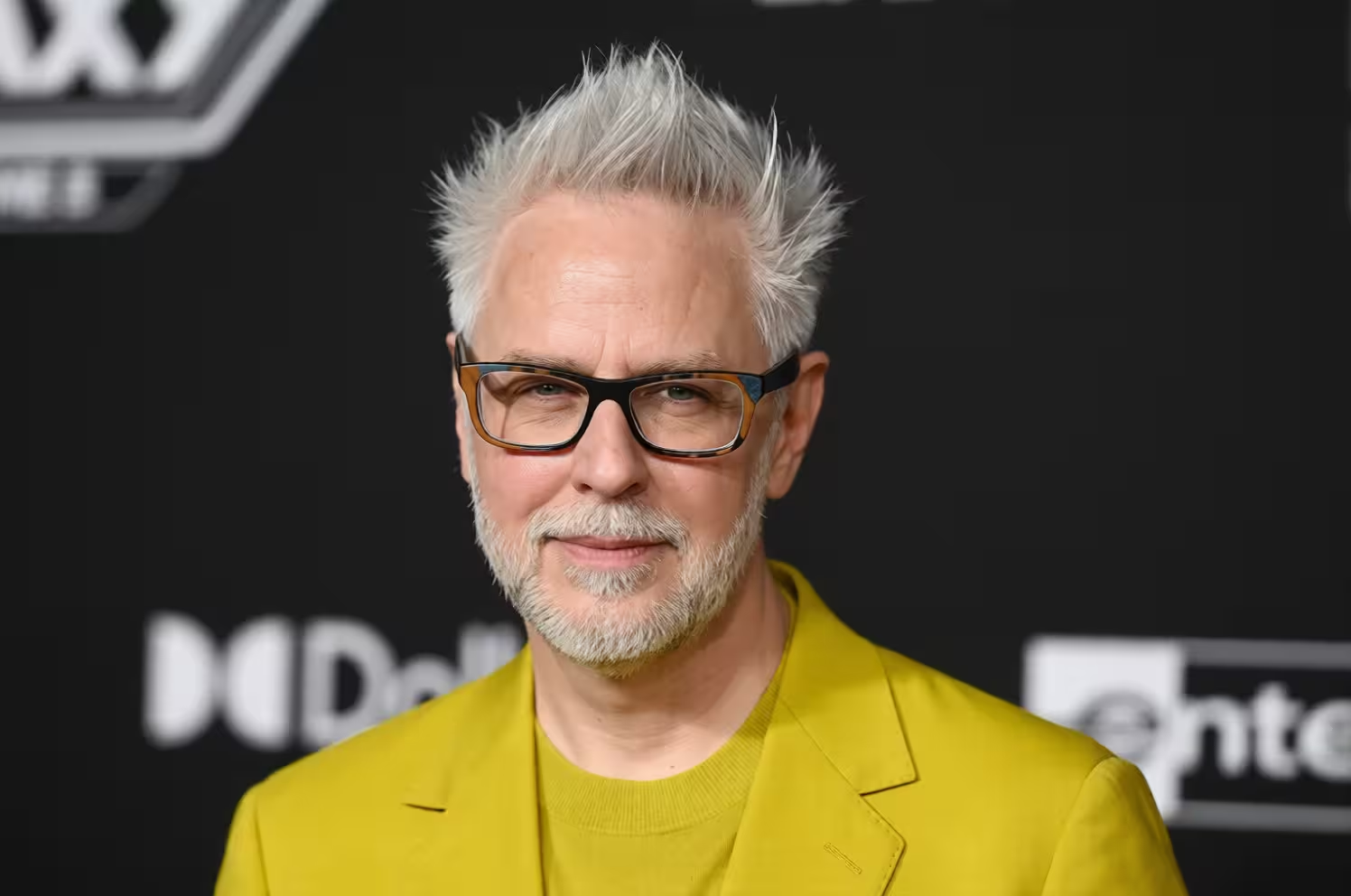
There are still plenty of moving parts. Man of Tomorrow has a release date: July 9, 2027. And rumors circulate about at least one new, unannounced DC project carrying Gunn’s touch. How that future work will mesh with the studio’s new leadership remains unclear.
Reports name Jeremy Lechm as the incoming studio chief. Meanwhile, David Ellison of Skydance reportedly wants a rapid return for the Justice League on the big screen. That raises a familiar tension: Gunn has often favored lesser-known DC characters, while other stakeholders push for A-list tentpoles — Superman, Batman, Wonder Woman — to anchor the cinematic slate.
Which path will win out? A full reset that angers fans who have already lived through recasts and universe reboots? Or a gentler pivot that preserves the actors and projects already in motion while accelerating the introduction of marquee heroes? Both choices carry risk and opportunity.
For now, the one concrete reassurance is that Gunn has not abandoned DC storytelling; he’s simply narrowing his lens. Film fans can expect his creative fingerprints on upcoming releases, even if his name no longer appears next to a corporate title. The real question is whether the studio’s next chapter will follow his eclectic taste for offbeat characters — or swing back toward the familiar icons that studios often view as safer box-office bets.
Either way, Gunn’s move is a reminder that running a cinematic universe is as much about endurance and delegation as it is about imagination. Keep your calendar marked for July 9, 2027. And watch closely: the story behind the movies may be getting as compelling as the films themselves.

Leave a Comment
Comments
No comments yet. Be the first.