
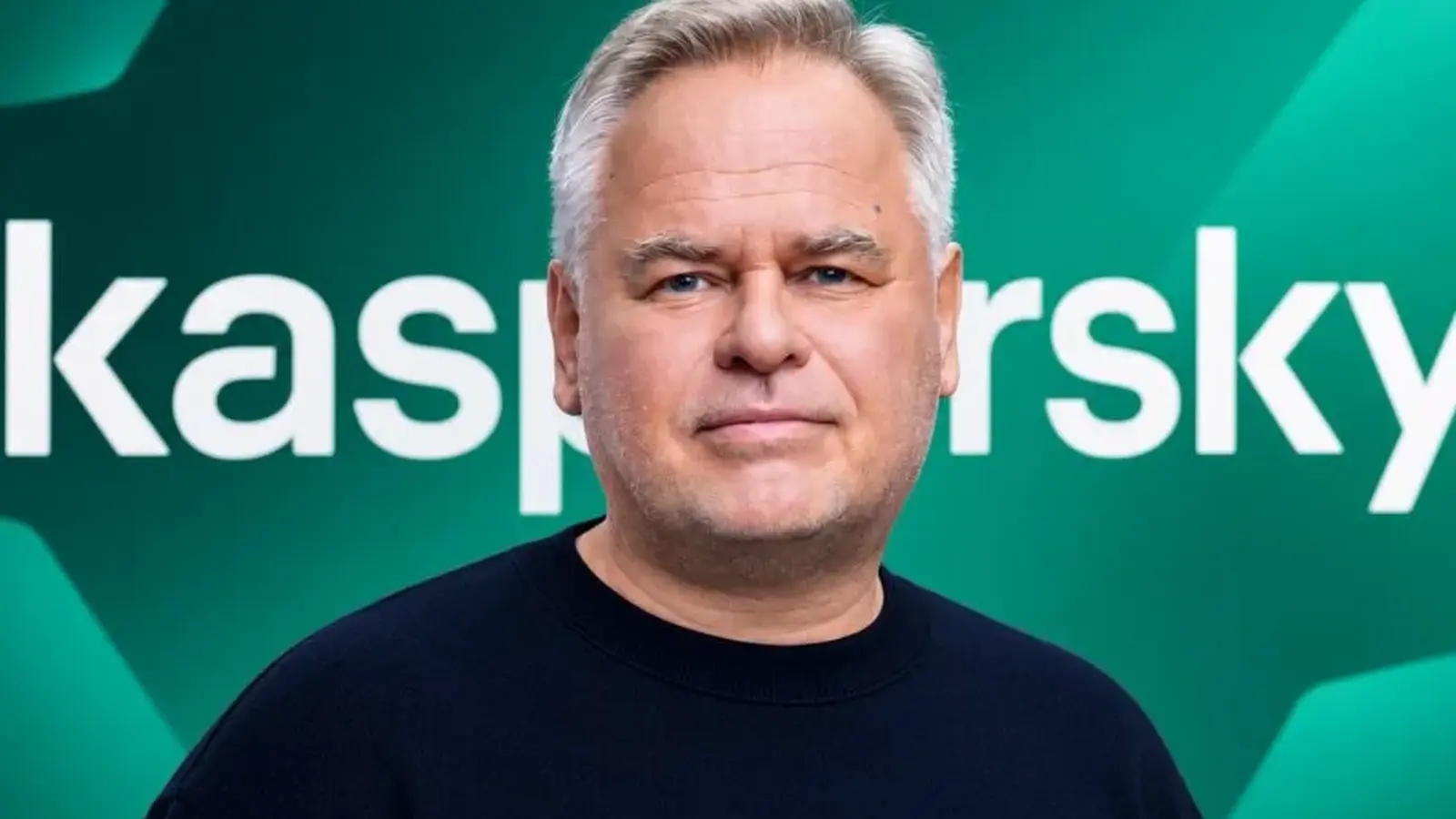
Eugene Kaspersky, co-founder and CEO of the Kaspersky cybersecurity institute, said AI is unlikely to destroy or deliberately annihilate humanity but warned that AI-based agents and tools create serious cybersecurity risks and that the sector will face related problems soon.
Existential risk and how agents differ from models
Kaspersky described current AI models as algorithms and mathematical models, not inherently extraordinary systems. He distinguished earlier models that mainly answered questions from modern agents, which can pursue specified objectives once given access and capabilities.
He summarized the difference with a metaphor: "If you do not give AI the red key, it cannot press it. Agents, unlike previous models, are not designed only to answer simple questions; when given a goal they pursue it. It does not matter what color the key is, AI agents may press it if they have sufficient access to the key. Attackers are already developing AI-powered malware, and this is happening despite safety standards."
AI-powered malware and defensive approaches
Kaspersky said attackers are actively developing malware that leverages AI capabilities and that these developments occur even with existing safety standards. He emphasized that no system is impregnable and argued defenders should focus on making AI-driven attacks uneconomical for adversaries.

He proposed that safety technologies and the use of AI itself can help raise the cost and lower the feasibility of malicious campaigns, though he did not provide technical details on specific defensive measures.
Emerging agent-focused models and interoperability
Kaspersky referred to newer models that appear more complex than ChatGPT and that emphasize agent functionality. He named several such models and systems:
- Mius
- Instinct
- Wabi
He also mentioned that some models use a specialized language to communicate with one another. Kaspersky acknowledged he might be optimistic but said that applying the correct security architecture can greatly reduce the risks and malicious uses of AI agents. He declined to provide detailed architectural prescriptions.
He concluded by reiterating that AI will continue to be part of human life and said he does not expect the technology to have an expiration date.


Leave a Comment
Comments
No comments yet. Be the first.