
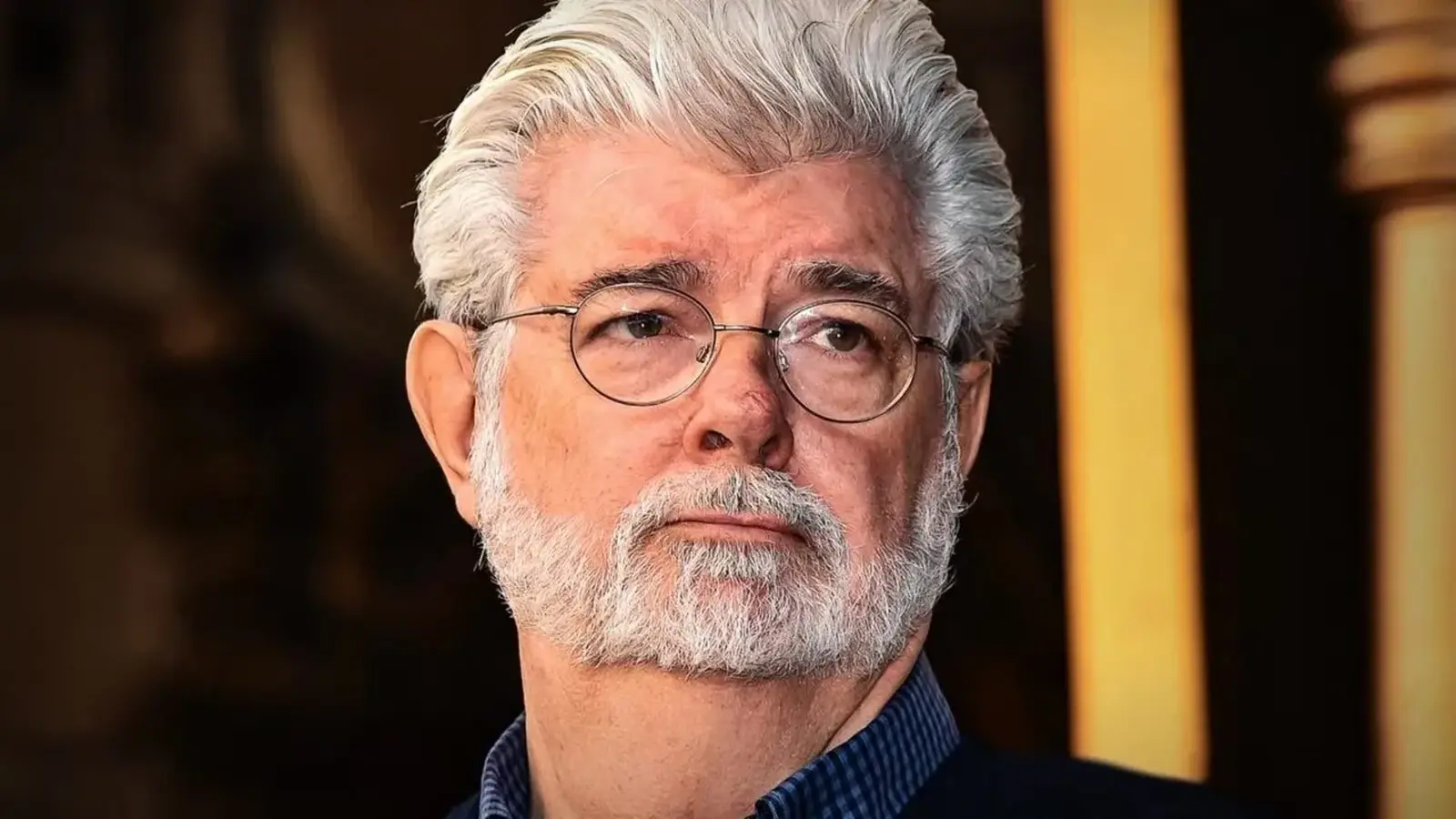
Imagine buying a myth and then quietly deciding you won't follow the map its maker drew. That, according to a new book, is exactly what happened after Disney acquired Lucasfilm.
Robby Whelan’s The House of Mouse pulls back the curtain on conversations that reshaped the Skywalker saga. When Disney closed the $4 billion deal, executives told the public the sequel trilogy would be built from George Lucas’s story treatments. Reality, however, proved messier. Bob Iger read Lucas’s outlines and — privately, insistently — made it clear he didn’t want those scripts turned into movies.
Matt Belloni, speaking with Whelan, recounts negotiations in telling detail. Lucas had prepared treatments that would reunite Luke, Leia and Han, resurrect Darth Maul, and introduce a new antagonist, Darth Talon. He wanted to deepen lore around midichlorians and the mysterious Whills. Vibrant, ambitious, dense. For a fan, this sounds irresistible. For Iger, reportedly, it read like a creative dead end.
Why would the man who bought Lucasfilm refuse its creator's roadmap? The book suggests a mixture of taste, risk management and blunt practical thinking. One attendee of the talks remembers Iger telling colleagues he hated the ideas and that Disney would not be obligated to make them despite promises implied during the acquisition. Whelan frames that judgment as the stance of an executive who has never written or directed a film and who, after reading pages of treatments, simply decided they wouldn’t work.
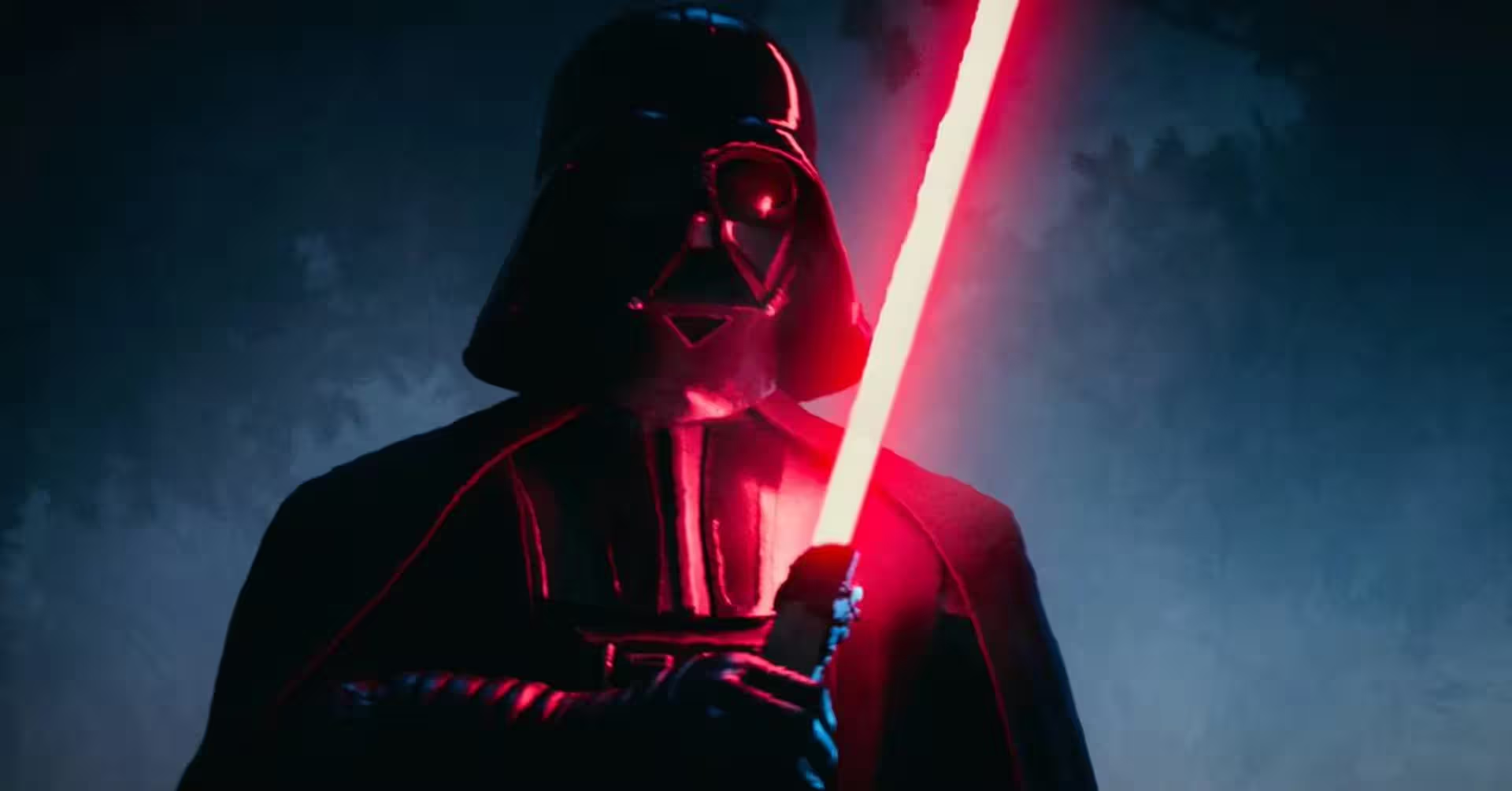
That decision rippled outward. Instead of a single through-line, the sequel era became a patchwork of competing visions. J.J. Abrams leaned toward nostalgia, delivering a familiar reboot in The Force Awakens. Rian Johnson took a sharp left turn in The Last Jedi, toppling many setups and expectations. When Abrams returned for The Rise of Skywalker, he reversed or smoothed over much of Johnson’s subversions and leaned heavily on fan-service. The result was a trilogy that felt fractured—creative detours that never fully stitched together.
There’s an irony here. Disney’s public pitch at purchase suggested continuity with Lucas’s legacy. Yet the studio’s internal choice to sideline his treatments opened the door to the very inconsistency fans complained about. Would the trilogy have felt more cohesive if Lucas’s dense, lore-forward plans had been adapted and shepherded? Maybe. Or perhaps those same plans would have alienated a modern global audience in other ways. We’ll never know for sure.
What Lucas envisioned was not small in scope. His outline reportedly centered on the original trio—Luke, Han and Leia—and intended to reintroduce Darth Maul while debuting Darth Talon, a character from comic-book kanon who could have tied the new films to deep-cut mythology. He aimed to expand the role of midichlorians and explore the Whills, tapping into ancient, almost mystical backstory. In short: a trilogy heavy on worldbuilding and mythic reach.
That kind of storytelling requires patience. It asks audiences to play catch-up with new concepts and takes time to reward them. Disney, under the pressure of a cinematic marketplace hungry for instant hits, favored directors who could deliver tentpoles quickly and visibly. The creative tensions between executives, showrunners and auteurs produced headline-making clashes. They also produced three box-office spectacles that, to many viewers, did not cohere into the epic close Disney promised.
Whelan’s reporting also highlights the legal and contractual choreography behind blockbuster acquisitions. Iger’s insistence on a clause that removed any legal obligation to produce Lucas’s scripts is a reminder that corporate deals often hide creative vetoes. You can buy a brand. You can’t be forced to make the story you were sold—at least not if the paperwork lets you refuse.
Fans now face a future franchise built without the exact blueprint Lucas handed over. Episode X looms on the horizon, and the saga’s next chapters will inevitably carry echoes of these early decisions. Will future filmmakers reach back into Lucas’s notes and salvage ideas like the Whills or Darth Talon? Or will Disney continue to chart its own course, one director at a time?
Either way, the tale of how Lucas’s road map was shelved is less a simple act of rejection than a study in competing instincts: the creator’s hunger to expand a myth, and a corporate steward’s compulsion to control risk and shape a brand for a global audience. The drama behind the cameras has become a story almost as compelling as the one on screen—one that keeps the question alive: who truly directs the destiny of a galaxy far, far away?


Leave a Comment
Comments (1)
Is this even true? Iger really tossed Lucas' roadmap? Plausible but would that lore-heavy trilogy have worked for a global crowd 10 yrs later...?