
3 Minutes
Honda unveils the Super-One Prototype at Japan Mobility Show
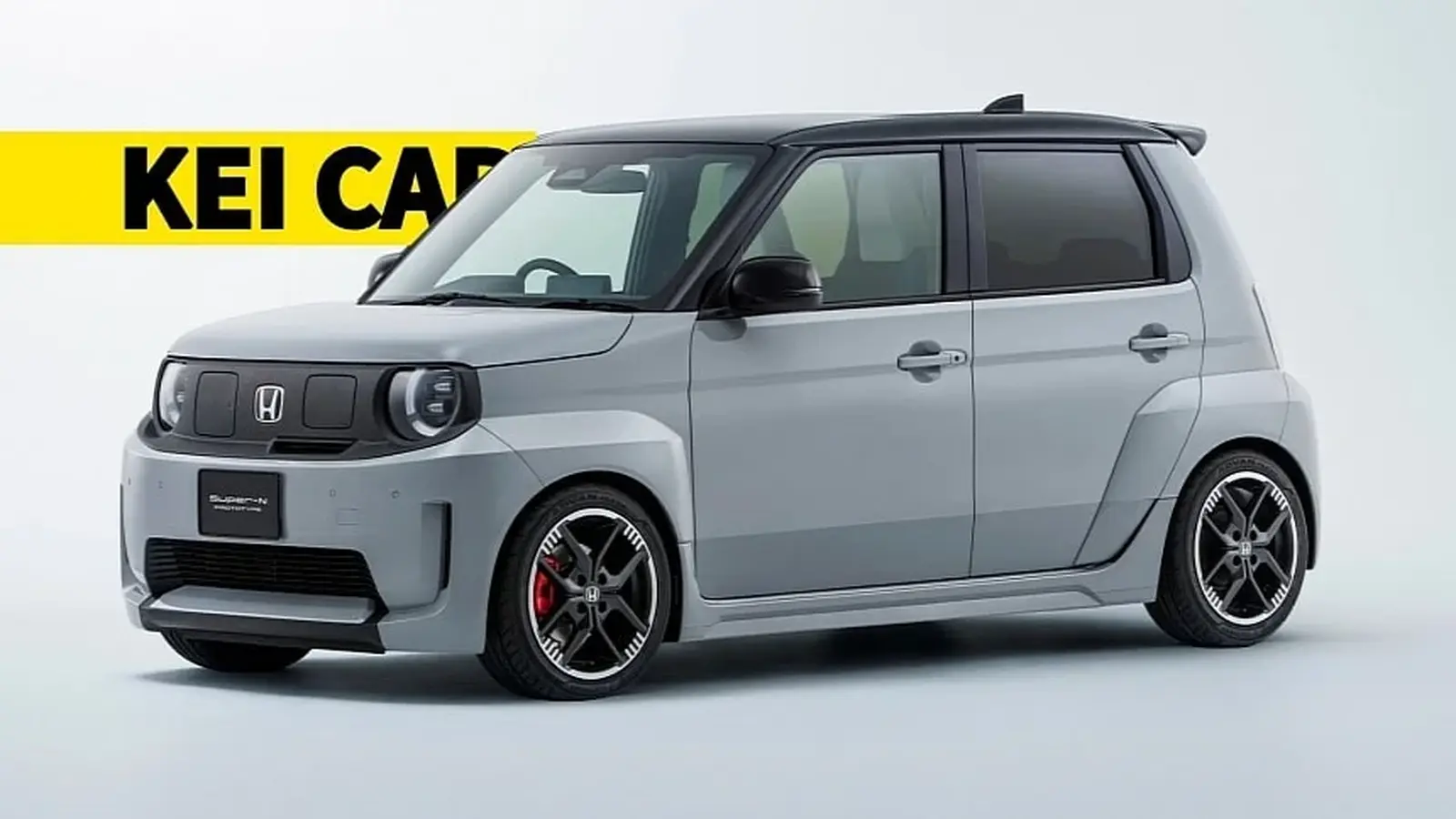
The 2025 Japan Mobility Show opened with a global debut that underlines Honda's continued interest in compact electric mobility. The Super-One Prototype — a small, boxy concept that previews a production model due in 2026 — was revealed as a successor to the Honda e and will be marketed as the Super-N in the United Kingdom and as the Super-One in Japan, Asia and Oceania.
Design that blends kei-car roots with sporty details
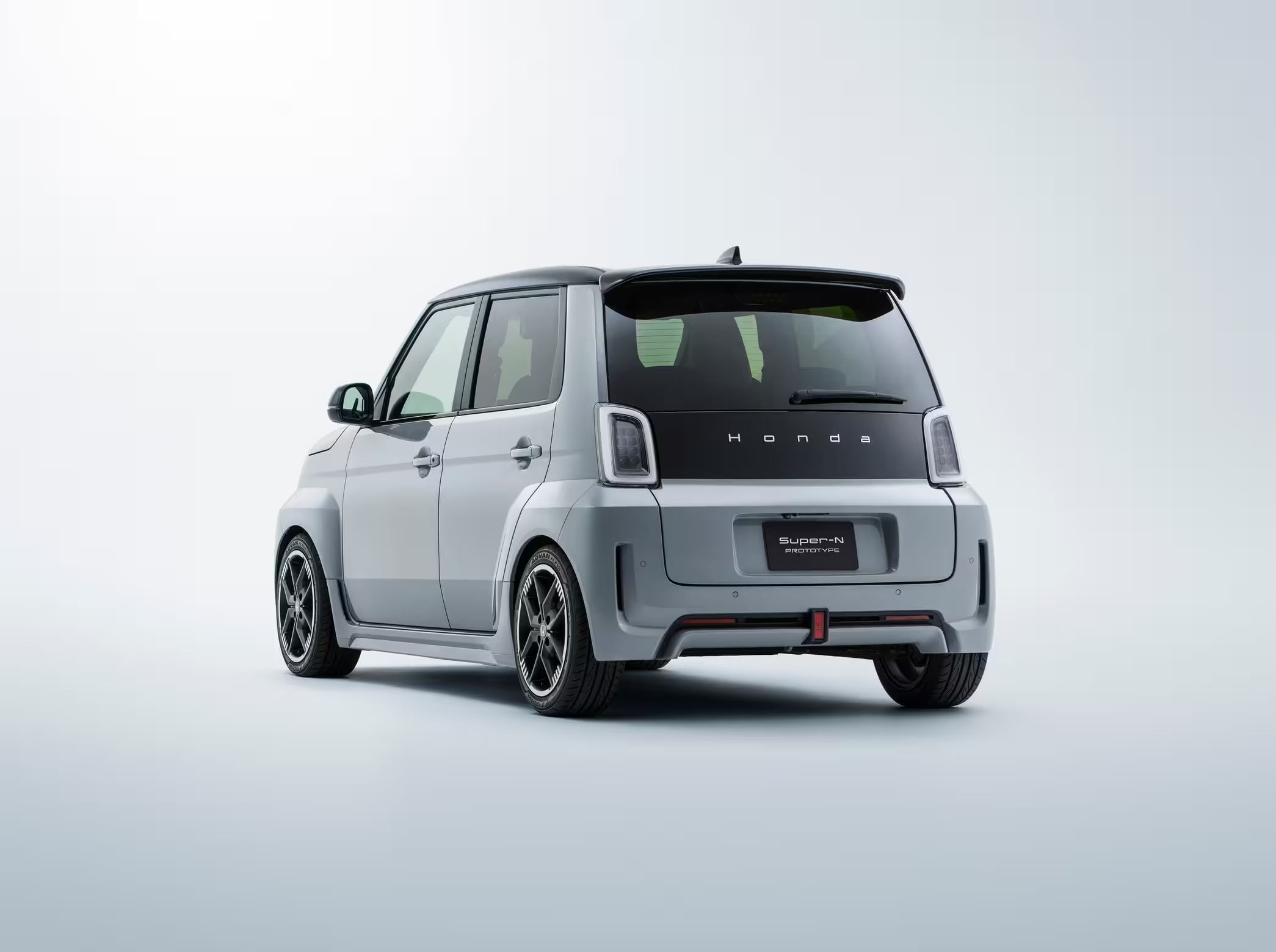
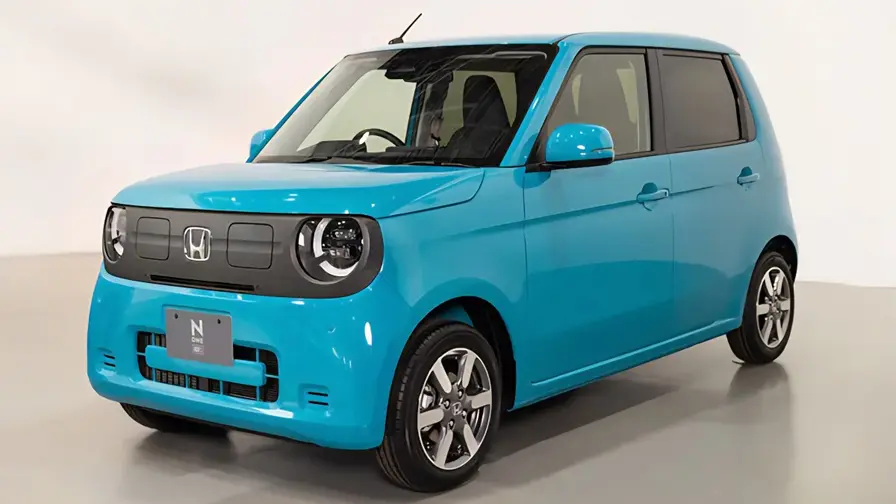
Honda says the model rides on the company's lightest platform, derived from the N Series kei-car architecture. The prototype wears a deliberately compact, upright silhouette with bold, sporty cues: flared wheel arches, chunky front and rear bumpers, a large lower intake beneath the plate area, and an integrated lip. Motorsport-inspired touches include a roof spoiler, a vertical rear light signature, vents at the rear and a distinctive center-mounted rear brake light.
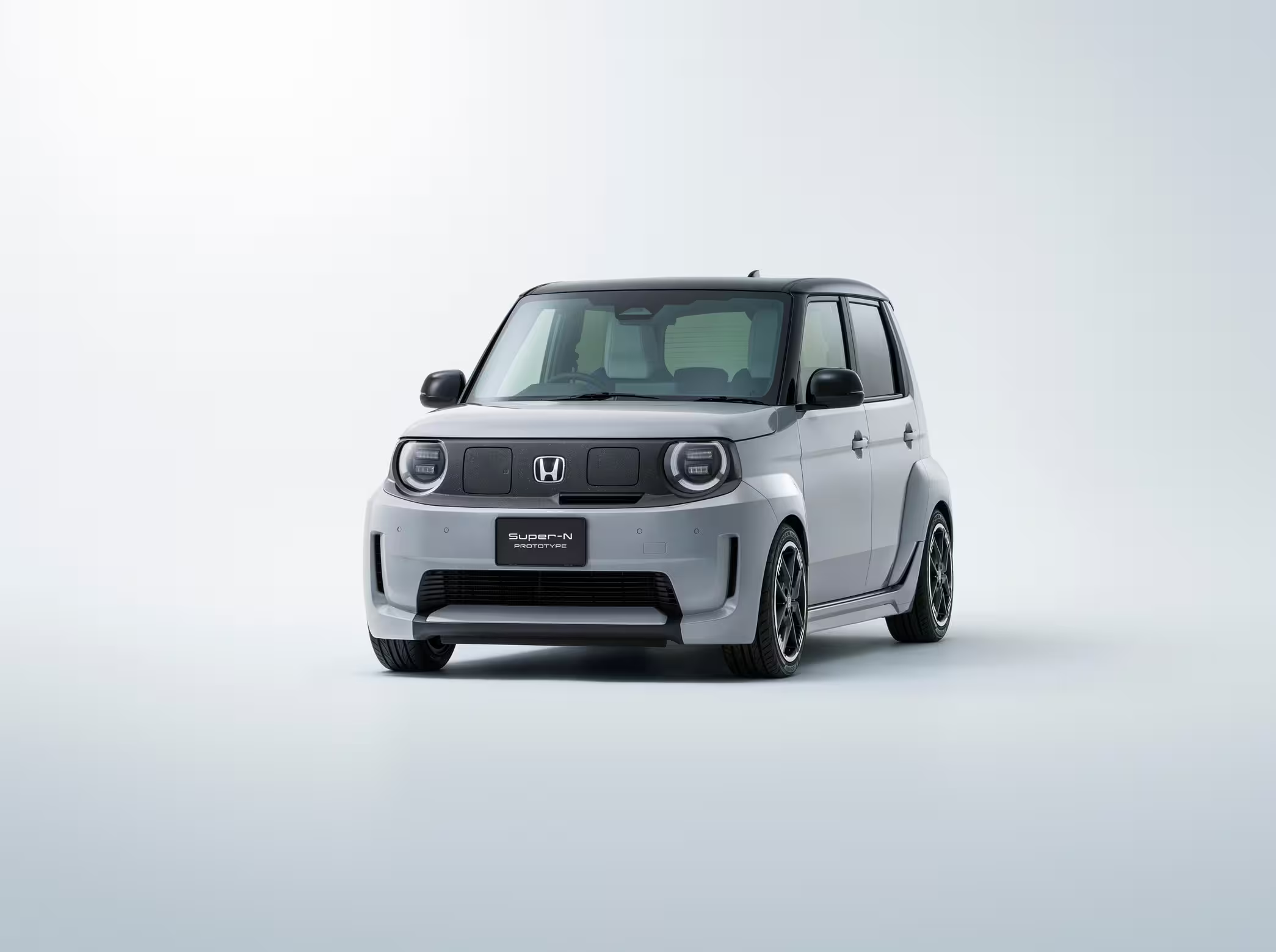
Presented in gray with a contrasting black roof and A- and B-pillars, the Super-One Prototype sits on small, bi-tone wheels and features red brake calipers. The overall look signals a tiny city car with a playful, performance-minded accent rather than a clinical commuter EV.
Interior: simple and production-ready
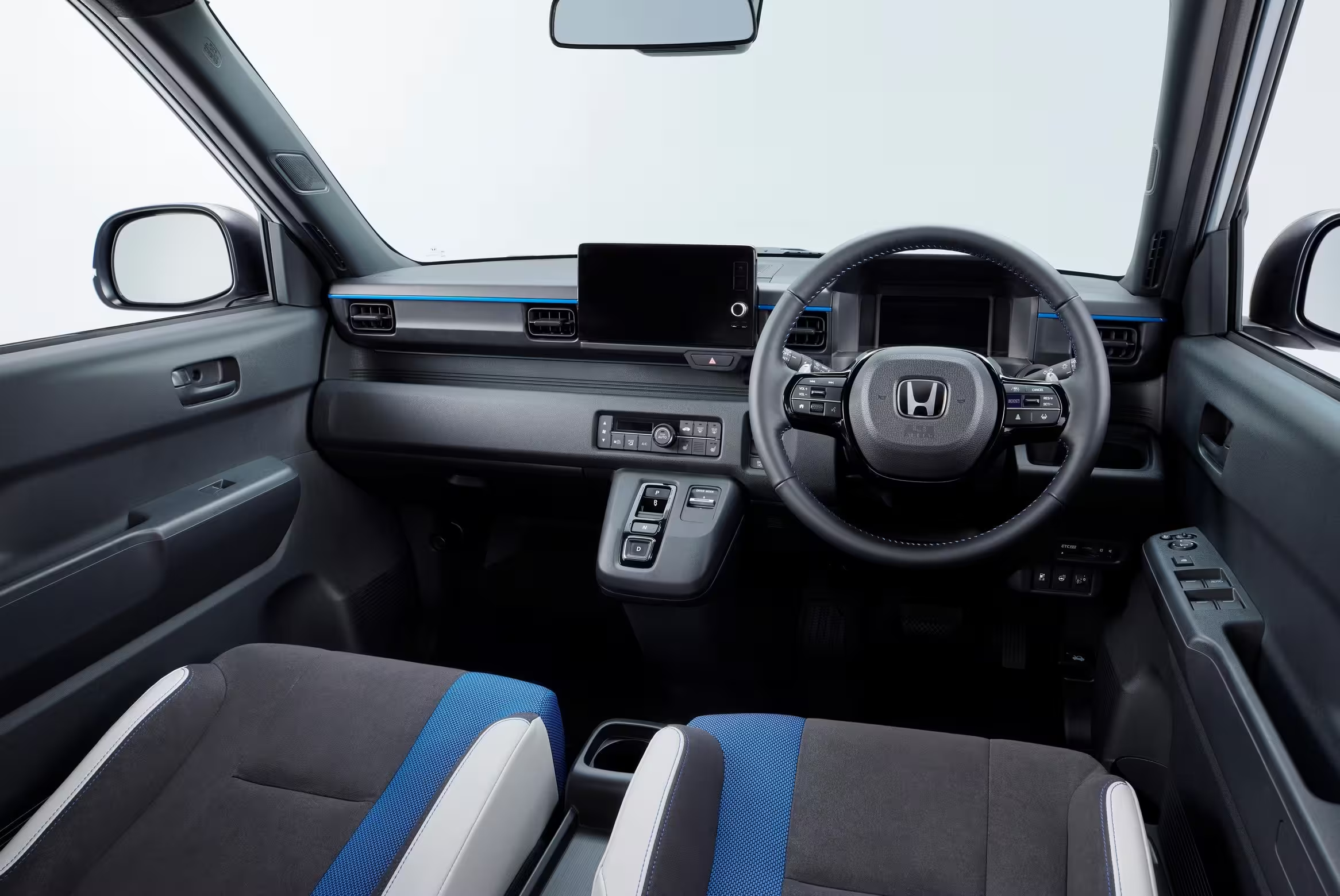
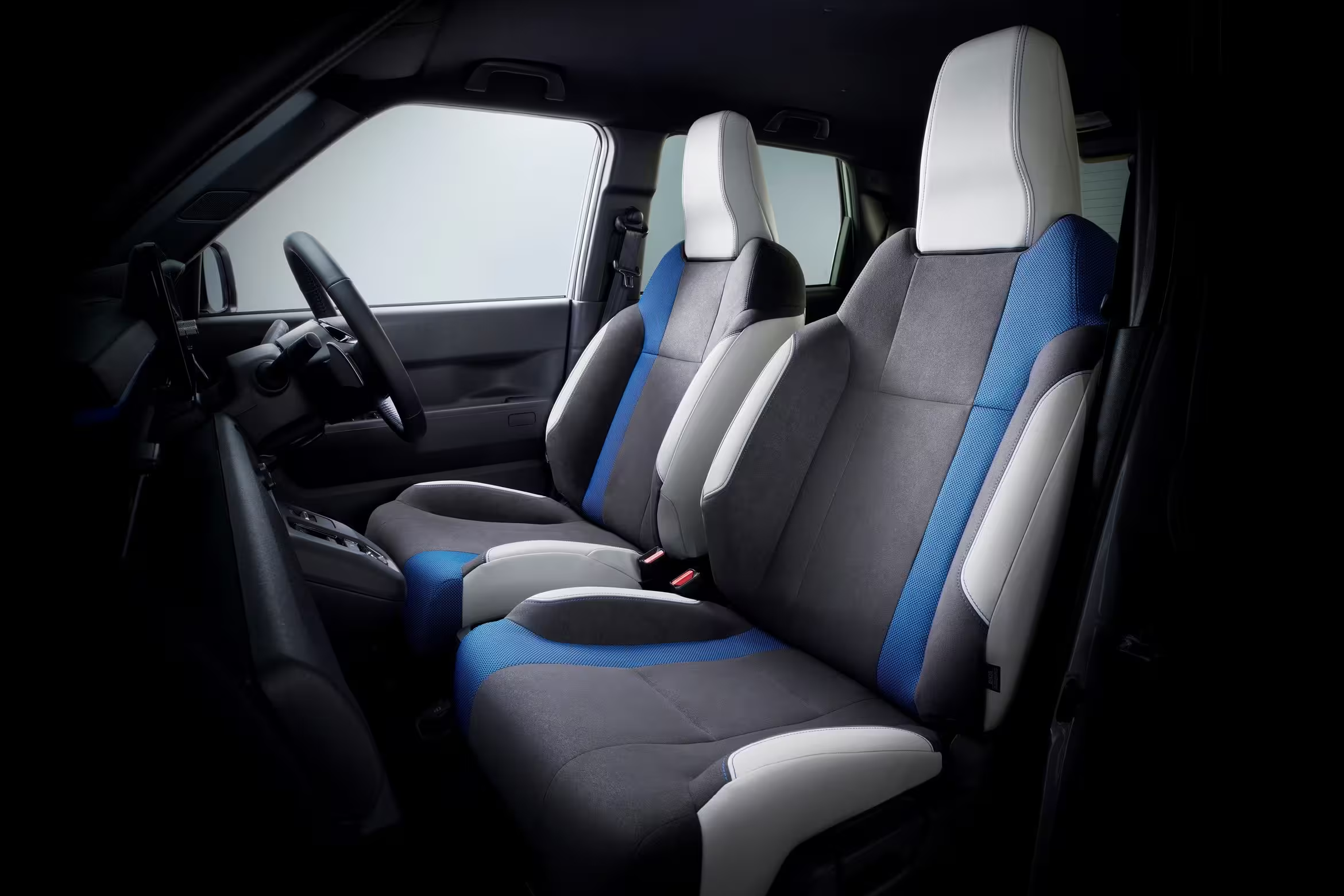
Inside, the cabin appears production-ready rather than purely conceptual. Highlights include a tablet-style infotainment display, a small center console, a two-spoke multifunction steering wheel, minimal air vents, a digital instrument cluster and asymmetrical seats with blue accents. The layout suggests Honda prioritised usability and cost-effective packaging — key for a mass-market city EV.
Performance features: Boost mode and Active Sound Control
Honda confirmed the prototype features a new Boost mode designed to temporarily increase output for quick sprints — a familiar tactic for compact EVs that want a livelier city driving experience. The car also uses Active Sound Control to simulate multi-gear shifts, producing artificial engine sounds to enhance driver engagement.
What we know — and what remains to be seen
While Honda has revealed styling and some features, official technical specifications such as battery capacity, range and motor output are still unconfirmed. Given the kei-derived platform and the car's urban focus, expect a modest battery tailored for short-range city use and efficient urban driving rather than long highway trips.
Key highlights:
- Production expected in 2026
- Market names: Super-N (UK), Super-One (Japan/Asia/Oceania)
- Kei-car-derived lightweight platform
- Boost mode for temporary performance spike
- Active Sound Control with simulated gears
Market positioning and outlook
Honda frames the launch as a test of consumer appetite for small EVs in the UK and other markets. "This vehicle will help us understand consumer appetite for any future small EVs within the region," the company said. If reception is positive, the Super-One could pave the way for additional compact EVs in Honda's lineup.
Would it come to North America? Honda's history with kei-style city cars and tight U.S. safety and range expectations makes a U.S. launch uncertain — but not impossible if Honda adapts specifications to local tastes.
Whether you're a fan of compact EVs or follow Honda's electrification strategy closely, the Super-One Prototype is an intriguing look at how the brand intends to marry small-car practicality with playful design and urban-focused technology.

Leave a Comment
Comments
No comments yet. Be the first.