
3 Minutes
Vince Gilligan’s Pluribus makes an unmistakable statement
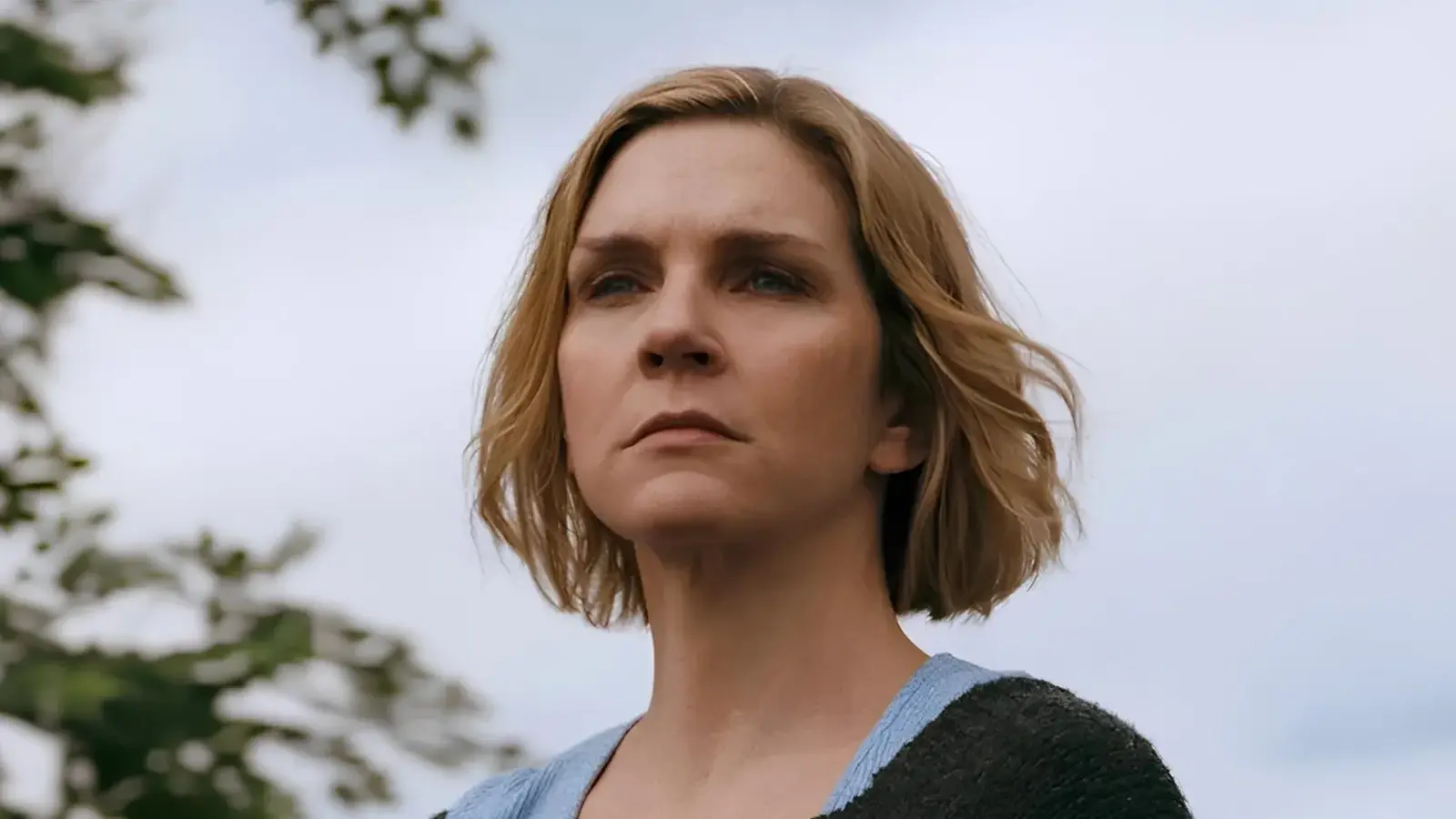
Apple TV+ quietly dropped the first two episodes of Pluribus, Vince Gilligan’s new science-fiction drama, and one moment has already become a talking point: an end-credit line that reads, “This series was made by humans.” The show — starring Rhea Seehorn as Carol Stourka, a writer who may be one of the last people immune to an alien virus that makes everyone unnervingly optimistic — mixes Gilligan’s knack for character-driven tension with a topical declaration about creative ownership in the age of AI.
Pluribus isn’t just a genre exercise. It’s a deliberate reminder that storytelling can still feel handcrafted. Gilligan has been outspoken about his refusal to use generative tools: he confirmed in interviews that he has never used ChatGPT and has no intention of doing so. The credit card line is playful but pointed, signaling a stand against an accelerating trend where AI contributes to scripts, imagery, and even casting analysis.
How Pluribus fits into Gilligan’s work and modern sci‑fi
Fans will notice Gilligan’s fingerprints — moral ambiguity, lean dialogue, and a focus on human choices — textures familiar from Breaking Bad and Better Call Saul. Yet Pluribus leans more overtly into speculative ideas, joining a recent wave of mainstream sci‑fi series that explore how technology, biology, and mass psychology reshape communities (think Black Mirror or The Last of Us in its exploration of infection and society).
Critics have generally received Pluribus warmly; Apple TV+ renewed the series for a second season before the first season concluded, signaling confidence in its creative momentum and audience appeal. Gilligan told Discussing Film he hasn’t mapped out an exact arc for the show, but he thinks “up to four seasons” could be sufficient — and then laughed, “who can be sure?”
Behind the scenes and fan reaction
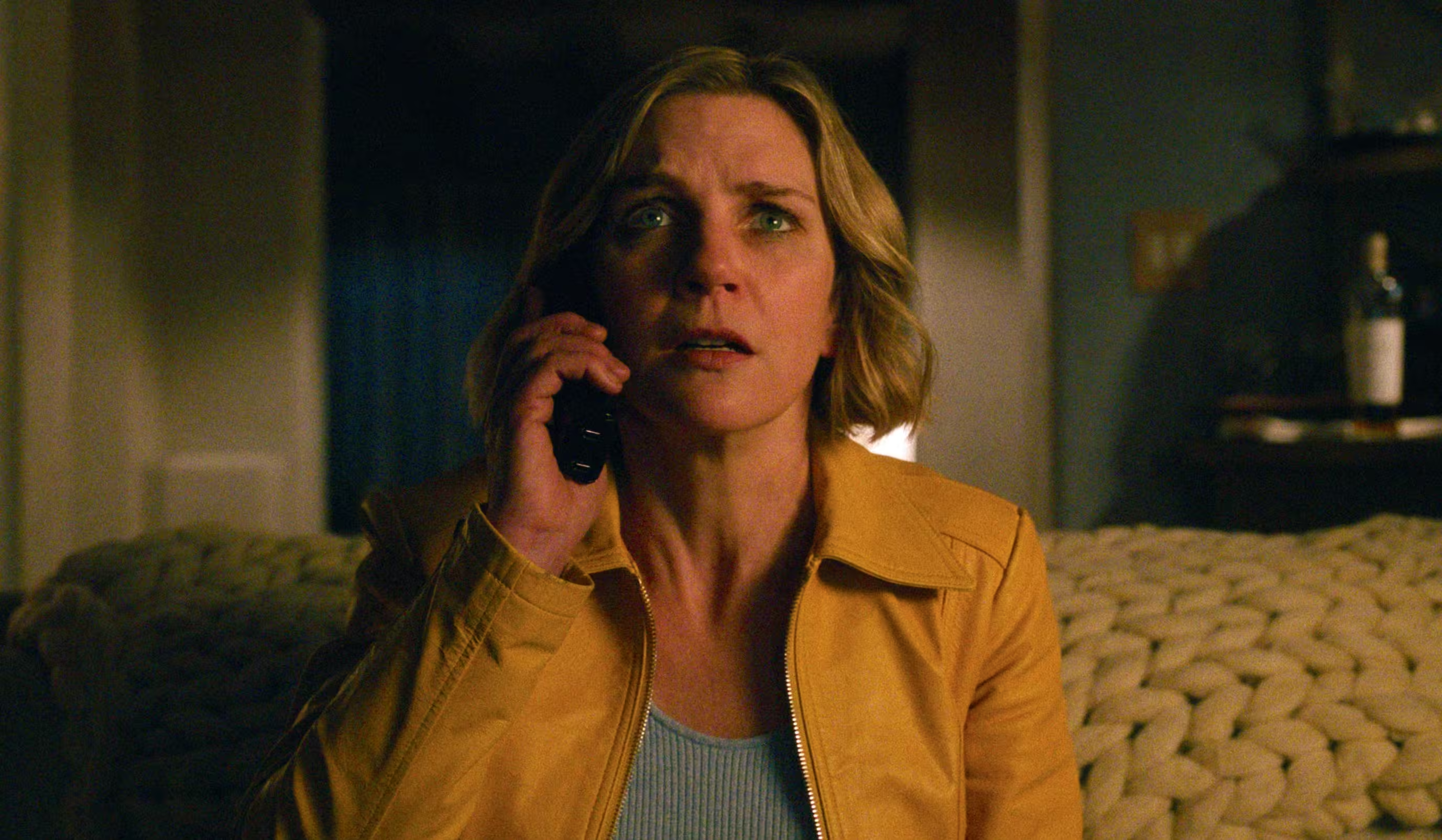
Behind the scenes, the production reportedly emphasizes practical effects, intimate sets, and a writers’ room focused on human drafting rather than algorithmic generation. Audiences on social media have praised Rhea Seehorn’s layered lead turn and the series’ tonal balance between eerie worldbuilding and quiet character beats.
"Pluribus arrives at a moment when audiences are hungry for human-authored work," says Anna Kovacs, a film critic at CineScope. "Gilligan’s choice to foreground human authorship feels both principled and strategic — it adds authenticity to a story about what it means to be truly human."
This series also offers an implicit conversation with industry trends: studios are experimenting with AI for routine tasks, from script coverage to concept art, while creators push back with labels and credits. Pluribus’ end-credit message may become a model for other projects that want to differentiate human-crafted art in a crowded marketplace.
For viewers, Pluribus is rewarding on two levels: as an emotionally driven sci‑fi with a compelling central performance, and as part of a larger cultural debate about authorship in entertainment. Whether it ultimately runs for the four seasons Gilligan imagines or stretches beyond, it’s clear the show is staking a claim — not just for its characters, but for the people who made it.
In short: Pluribus is a smart, human-made sci-fi series that doubles as a statement about storytelling in the AI era.


Leave a Comment
Comments
No comments yet. Be the first.