
3 Minutes
Nolan's near-miss: from Troy to Batman
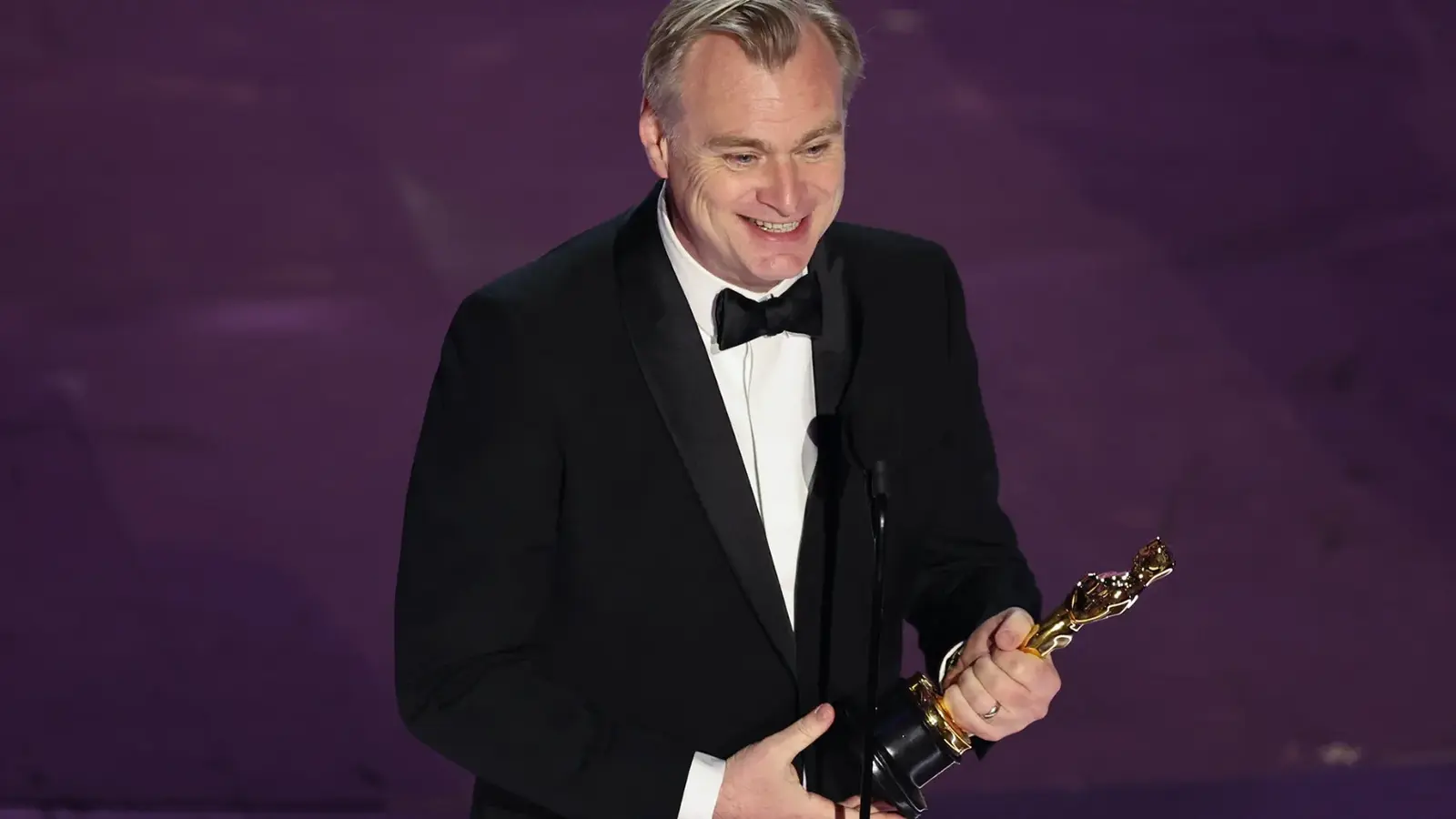
Christopher Nolan's rise to being the director most associated with modern Batman was shaped by a surprising studio decision in the early 2000s. Before he made Batman Begins, Nolan was attached to a very different project: the epic historical drama Troy. That almost-casting is more than a footnote — it shows how fragile creative careers and franchise paths can be when studios pivot.
Warner Bros. originally hired Nolan to direct Troy while Wolfgang Petersen was developing the project. According to reports, when the studio opted not to move forward with Petersen's proposed superhero crossover (commonly discussed at the time as a Batman vs Superman endeavor), Petersen reclaimed Troy and Nolan was freed from that commitment. Warner Bros. quickly offered Nolan Batman Begins, a choice that led to one of the most influential superhero trilogies in film history: Batman Begins (2005), The Dark Knight (2008), and The Dark Knight Rises (2012).
What if Troy had kept Nolan?
The 2004 Troy — directed by Petersen from a screenplay by David Benioff — starred Brad Pitt, Eric Bana, Orlando Bloom, Diane Kruger, and Sean Bean. It grossed roughly $497 million worldwide and earned an Oscar nomination for costume design, yet critics were mixed. If Nolan had remained on Troy, the tonal recalibration he introduced to Batman — grounded psychology, moral ambiguity, and practical action — might never have arrived in that form.
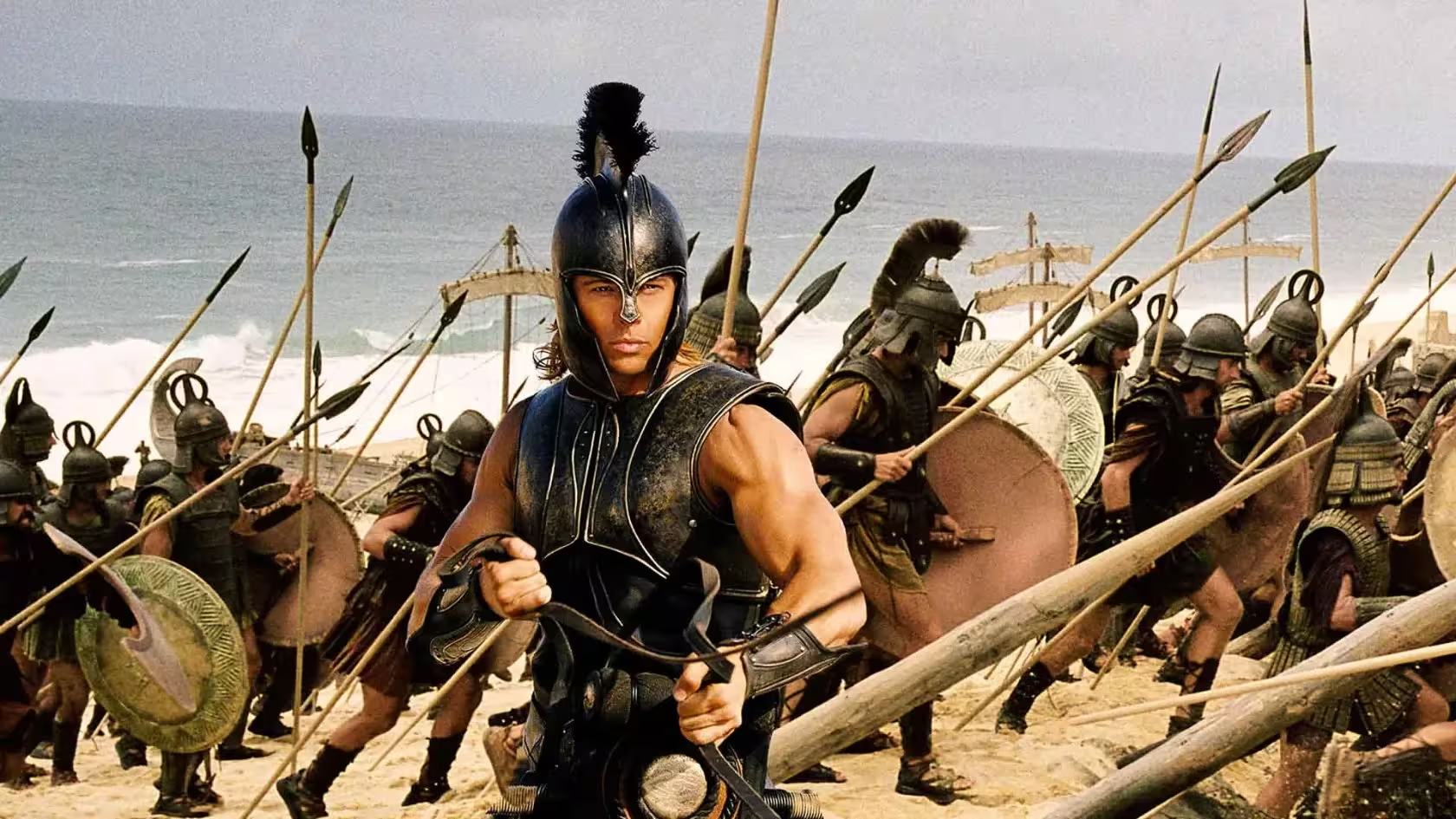
Comparisons and context matter: Nolan's Dark Knight trilogy contrasted sharply with earlier Batman films by Tim Burton and Joel Schumacher, which leaned more toward gothic fantasy or camp. Nolan helped usher in a more realistic, darker strand of superhero cinema that later influenced filmmakers such as Zack Snyder and the broader trend toward gritty reboots. His approach also stands apart from Troy's classical spectacle: one is intimate and philosophical, the other theatrical and ensemble-driven.
Trivia and industry ripple effects: Troy's commercial success proved that large-scale historical epics still had box-office pull, even as superhero movies were beginning to dominate. Meanwhile, Nolan used the creative momentum from Batman Begins to build an auteur career with films like The Prestige, Inception, Interstellar, Dunkirk, Tenet, and Oppenheimer — the latter winning him an Academy Award.
Critically, the cancellation of one major project paved the way for an entirely different cultural outcome. It's a reminder that studio strategy, timing, and a little luck can dramatically alter cinematic history.
Nolan's next scheduled release is The Odyssey, currently set for July 17, 2026, a project that continues to fuel curiosity about how often near-misses and studio chess moves shape the films we remember.
In short: the Troy detour helped make the world-ready Dark Knight we now accept as essential cinema.


Leave a Comment
Comments
No comments yet. Be the first.