

3 Minutes
How a blockbuster became one of cinema's priciest projects
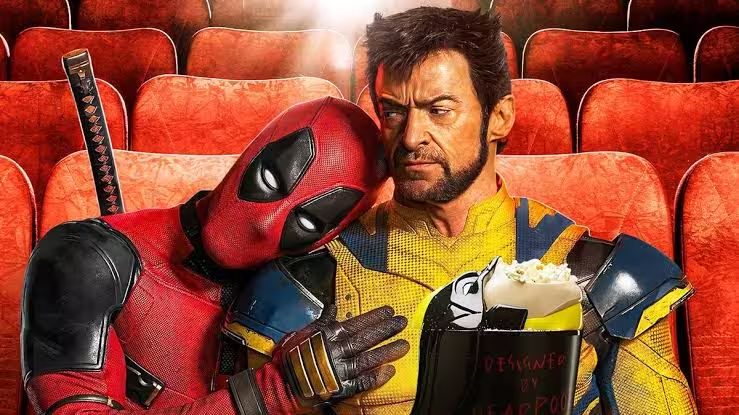
Deadpool and Wolverine surprised audiences not just with its R-rated humor and unexpected cameos, but with a production price tag that places it among the most expensive films ever made. New financial filings in the UK show Disney and Marvel Studios spent roughly $533.7 million producing the movie — a figure that eclipsed early estimates and pushed the film into the top ten costliest productions in film history.
Why the bill ballooned: strikes and studio logistics
A major contributor to the overspend was the wave of industry stoppages in 2023. The writers and actors strikes halted production for months, creating delays that drove up day rates, reshoots, location costs, and other operational expenses. Those pause-and-restart cycles are expensive: when cameras are idle, fixed costs keep running. The Deadpool and Wolverine team also invested heavily in practical effects, stunts, and complex set pieces to deliver the franchise's trademark high-energy action, all of which added to the final tally.
Budget breakdown and tax incentives
While the headline figure topped half a billion dollars, tax filings reveal Disney received $104.7 million in UK tax relief and rebates, lowering Disney's net production spend to about $429 million. That kind of incentive is typical for large-scale international shoots, and it helped soften what would otherwise have been an even more daunting financial exposure.
Box office, marketing and where the profit came from
On the revenue side, Deadpool and Wolverine grossed a staggering $1.34 billion worldwide. Industry estimates place Disney's share at roughly $670 million, implying a direct theatrical profit near $241 million before marketing. However, global marketing campaigns for tentpole films are rarely small; estimates put promotional costs at a minimum of $100 million and possibly double that for a worldwide push. When marketing is factored in, theatrical margins slim significantly, meaning a large portion of the title's ultimate profitability came from post-theatrical revenue streams: digital sales, streaming licensing, and home entertainment.
Context and comparisons
Compared with other big-budget Marvel or franchise titles — think Avengers: Endgame or Avatar: The Way of Water — Deadpool and Wolverine's production costs are in the same rarefied bracket, especially after accounting for pandemic-era and strike-related inflation. Yet unlike many tentpoles that rely on broad family audiences, Deadpool and Wolverine leaned into R-rated humor and legacy characters, which may have required more careful marketing to maximize global appeal.
Trivia: fans celebrated Hugh Jackman and Ryan Reynolds' chemistry, and several rumored cameos fueled repeat viewings. Community reaction online helped sustain box office legs long after opening weekend.
Light critical note: spectacular box office doesn’t always equal massive studio profit once invisible costs are included. For Marvel and Disney, franchise value and downstream revenue often matter as much as opening-week receipts.
Overall, Deadpool and Wolverine proved commercially triumphant and strategically complex: a high-stakes gamble that paid off across multiple revenue windows, even if theatre margins were slimmer than the raw gross suggests.

Leave a Comment
Comments
No comments yet. Be the first.