
2 Minutes
Patterson's theory: murder or sensational retelling?
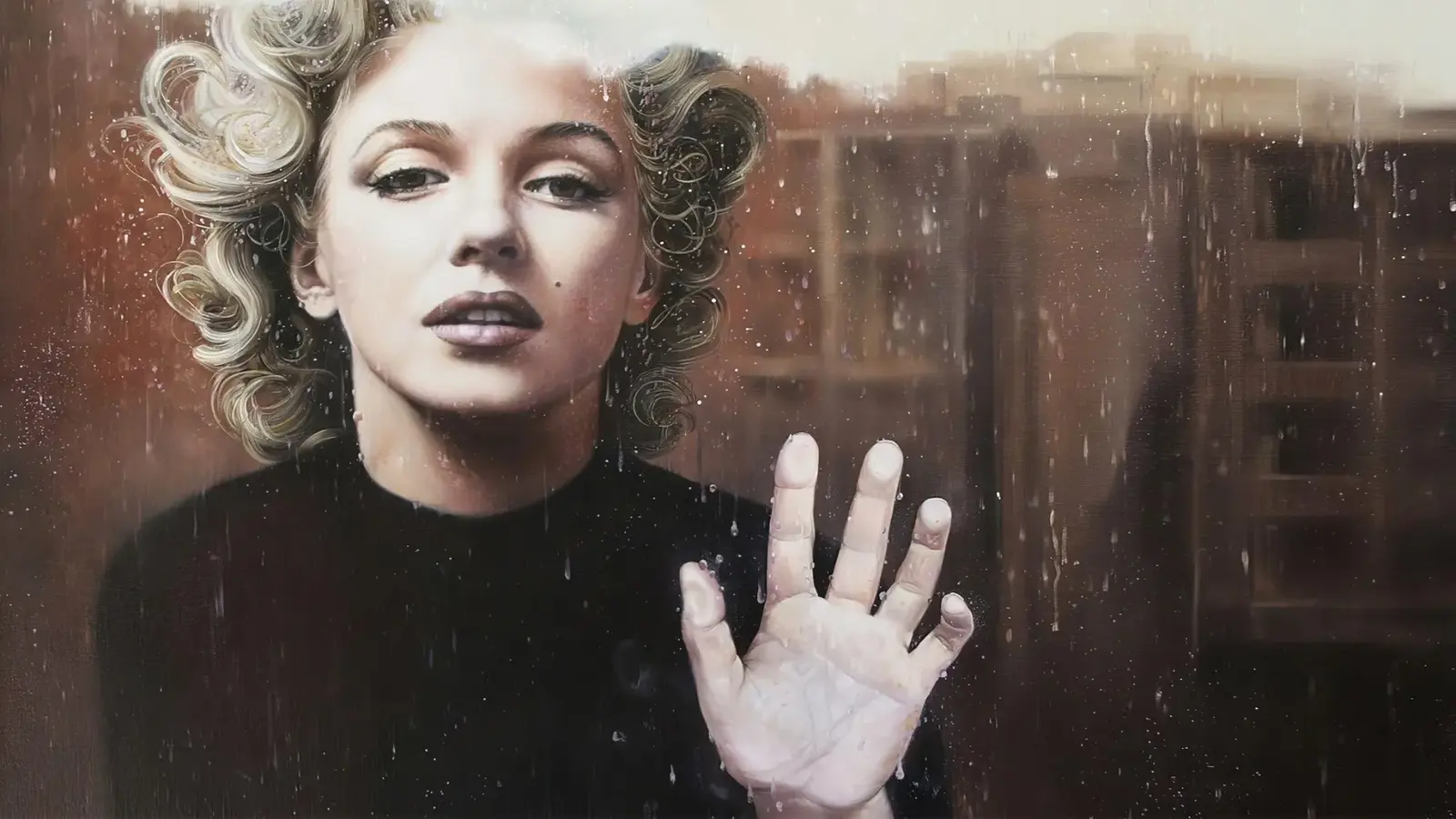
James Patterson's new book, The Last Days of Marilyn Monroe, published December 1, returns the world of film and true-crime to a story Hollywood hasn't stopped circling: the 1962 death of Marilyn Monroe. Patterson argues that Monroe’s tangled personal life—her alleged relationships with John F. Kennedy, Robert Kennedy, Frank Sinatra, and reported links to organized crime—put her in a dangerous position and may point to foul play rather than a simple suicide.
The book revisits familiar facts: Monroe was found dead in August 1962 at age 36, with sleeping pills nearby. Patterson threads those facts into a broader narrative, suggesting she may have known sensitive information that endangered her. He also highlights lesser-known biographical details—such as Monroe's childhood stutter—and cites investigators who have long questioned the official account.
Context and trends: why this story keeps returning The fascination with Marilyn’s final hours fits into a bigger true-crime and celebrity-myth trend. Recent documentaries like HBO’s The Mystery of Marilyn Monroe: The Unheard Tapes similarly probed new sources and renewed public debate; Patterson’s book follows that same cultural impulse to re-examine iconic deaths through contemporary investigative lenses.

Comparisons and critical perspective Unlike archival documentaries that focus on interviews and tape recordings, Patterson’s book is constructed for readers who expect a narrative edge—more claim-driven, less strictly evidentiary. That style makes it compelling but also controversial: historians and some forensic experts caution against treating narrative flair as proof. Many scholars still lean toward suicide or accidental overdose, while conspiracy-minded readers find Patterson’s linking of political and mob figures convincing.
Trivia and takeaways Monroe’s vulnerability—professional pressures, mental health struggles, and complex relationships—remains central. Whether Patterson’s version shifts consensus or simply fuels speculation depends on how readers weigh circumstantial links against official records.
This book is another reminder that Hollywood legends never die; they keep returning to the screen, the page, and late-night debates.

Leave a Comment
Comments
No comments yet. Be the first.