
2 Minutes
Aspark Owl Roadster debuts as the fastest open-top electric hypercar
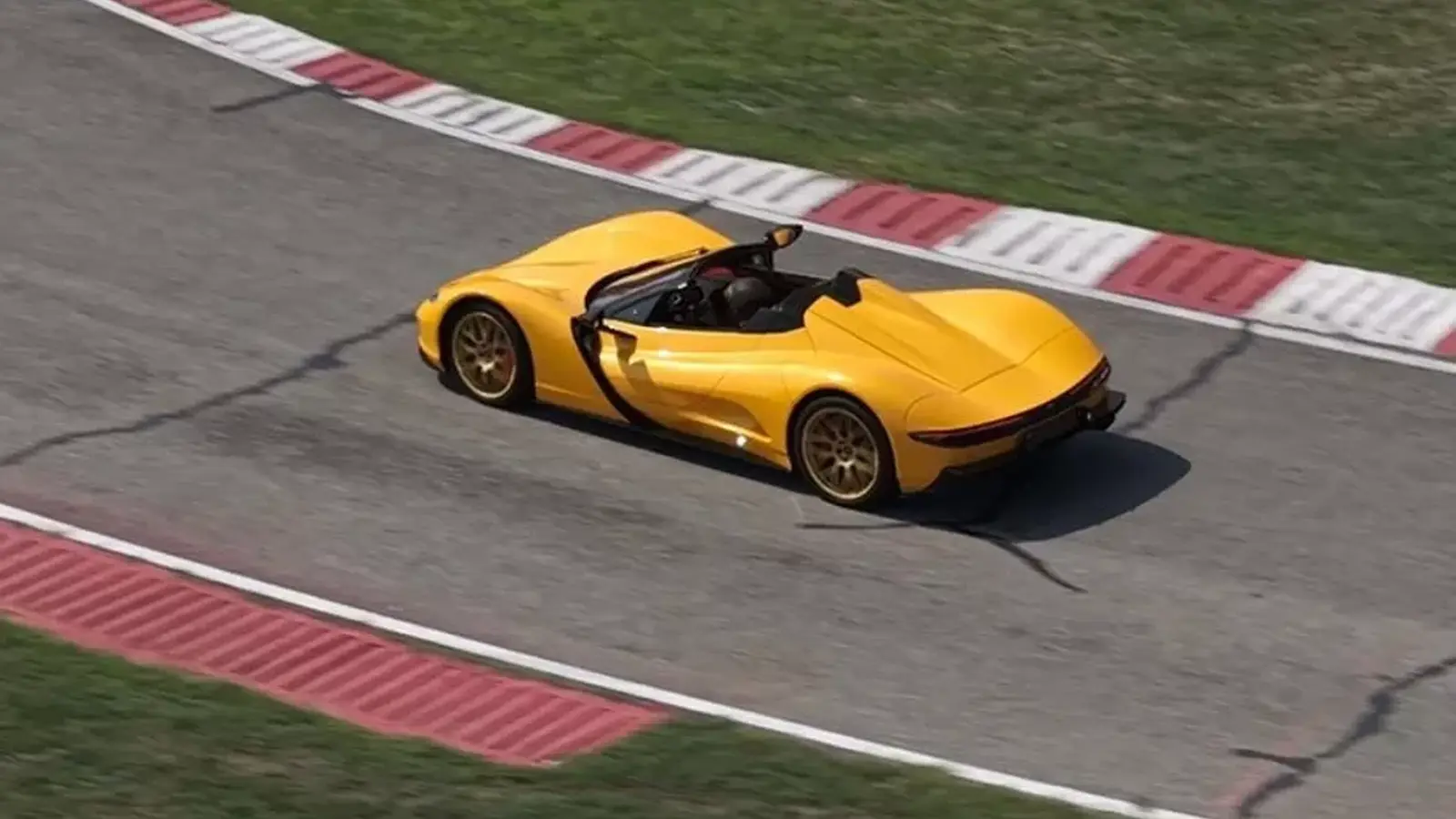
Aspark has introduced the Owl Roadster, a new electric hypercar built to challenge the likes of the Lotus Evija, Pininfarina Battista and Rimac Nevera. The Japanese boutique maker claims the Owl roadster is now the fastest open-top electric car in production, marrying extreme performance with an almost theatrical presence.
Raw numbers and headline performance
On paper the Owl produces a staggering 1,953 horsepower and 1,917 Nm of torque from four independent electric motors — a setup shared with the coupe version. The theoretical top speed is 413 km/h, though Aspark has electronically limited the Roadster to 350 km/h for safety and stability reasons.
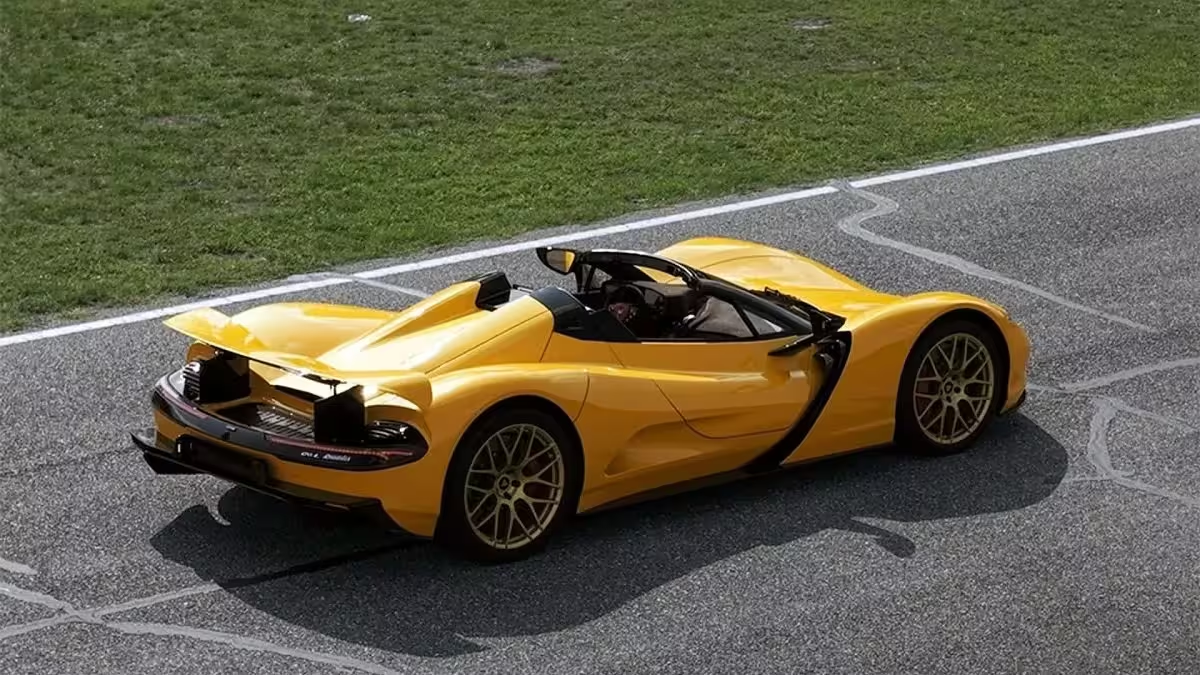
Acceleration figures are the Owl's real headline:
- 0–100 km/h: 1.78 seconds
- 0–200 km/h: 4.76 seconds
- 0–300 km/h: 9.74 seconds Despite a 69 kWh battery pack and four substantial motors, the car's curb weight is surprisingly restrained at around 1,900 kg, thanks largely to lightweight construction.
Chassis, handling and aero
The Owl Roadster uses a carbon fiber monocoque chassis and double-wishbone suspension with adjustable ride height from 80 to 160 mm. Carbon-ceramic brakes and an adjustable rear wing help manage the enormous performance and deliver aerodynamic stability at speed.
Limited production and price
Exclusivity comes at a steep cost. The Roadster is estimated to carry a price tag of roughly $3.5 million (about €3 million), putting it above some of its hypercar peers. Production is extremely limited — Aspark plans to build only 20 Roadster examples — meaning only a handful of ultra-wealthy collectors will ever own one.
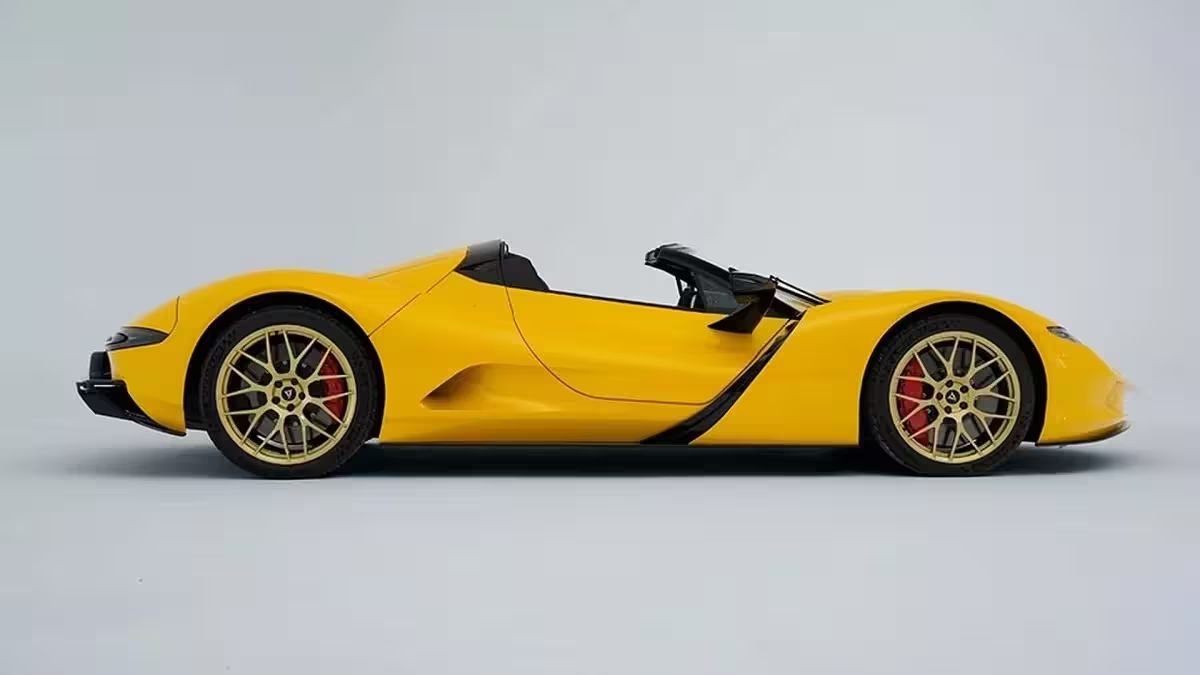
Highlights:
- 1,953 hp and 1,917 Nm torque
- Four independent electric motors
- Carbon monocoque and double-wishbone suspension
- Electronically limited top speed: 350 km/h
- Estimated price: ~$3.5 million; 20 units
Whether judged by lap times, top speed claims or sheer spectacle, the Aspark Owl Roadster is a striking statement in the electric hypercar market. It demonstrates how boutique manufacturers continue to push EV performance boundaries, even as larger rivals refine usability and range. For enthusiasts, it’s another bold reminder that electrification and wild performance are no longer mutually exclusive.

Leave a Comment
Comments
No comments yet. Be the first.