
3 Minutes
Big-budget revival: what we know about Rush Hour 4
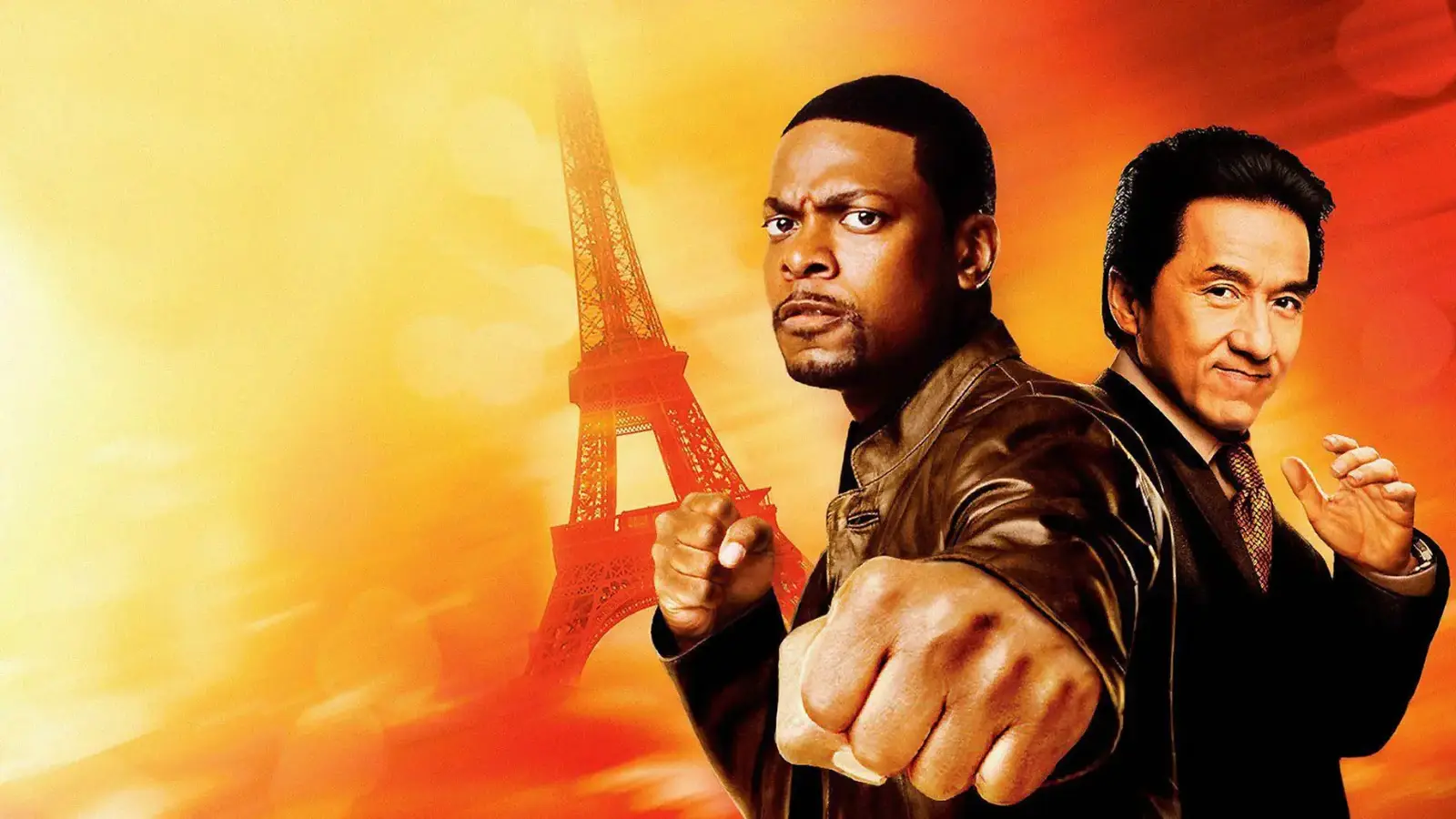
Rumors have solidified into headlines: Rush Hour 4, the long-awaited return of Jackie Chan and Chris Tucker, is moving forward with a production budget reportedly north of $100 million. Sources tracing the news to industry outlets say Paramount will release the film, with part of the financing coming from international backers — including reported Saudi investment — and a production arrangement that involves Warner Bros. taking a share of global distribution returns.
This is a different landscape from the late ’90s when the original Rush Hour introduced the world to the odd-couple chemistry of Hong Kong detective Inspector Lee (Jackie Chan) and L.A. detective James Carter (Chris Tucker). The trilogy that followed grossed roughly $850 million worldwide, proving the brand’s cross-cultural appeal and giving any studio good reason to consider a modern sequel.
Behind the headlines: financing, controversies, and studio deals
The reported budget figure — above $100 million — came via entertainment reporting and was later addressed by Brett Ratner, the director behind the franchise’s first three films. Ratner denied involvement by Melania Trump’s Muse Films and described Tariq bin Ammar as a producer and investor; he also confirmed the sizeable budget in brief comments. The franchise’s path to a fourth film was stalled for years after sexual misconduct allegations against Ratner, which complicated production and deals. Recent reports suggest political and industry figures have at times lobbied behind the scenes to get the project unstuck.
Paramount’s renewed push and the reported co-operation with Warner Bros. — in which Warner reportedly gets a double-digit cut of distribution profits — point to a cautious but decisive studio strategy: revive a proven franchise without shouldering all of the financial risk.
How Rush Hour 4 fits into current film trends
Franchise revivals have become routine in Hollywood, from Bad Boys to Top Gun. Like Bad Boys: Ride or Die, a modern Rush Hour will likely balance nostalgia with contemporary filmmaking economics: bigger action set-pieces, global marketing, and international financing to minimize studio exposure. The move toward cross-border investment also reflects the industry pivot to new cash sources after the mid-2010s reshaped theatrical revenue models.
Fans can expect the signature blend of action and comedy that made the original films successful, but the context has changed: global box-office expectations, streaming windows, and sensitivity around creative leadership all shape how sequels are developed today.
Trivia, legacy, and audience expectations
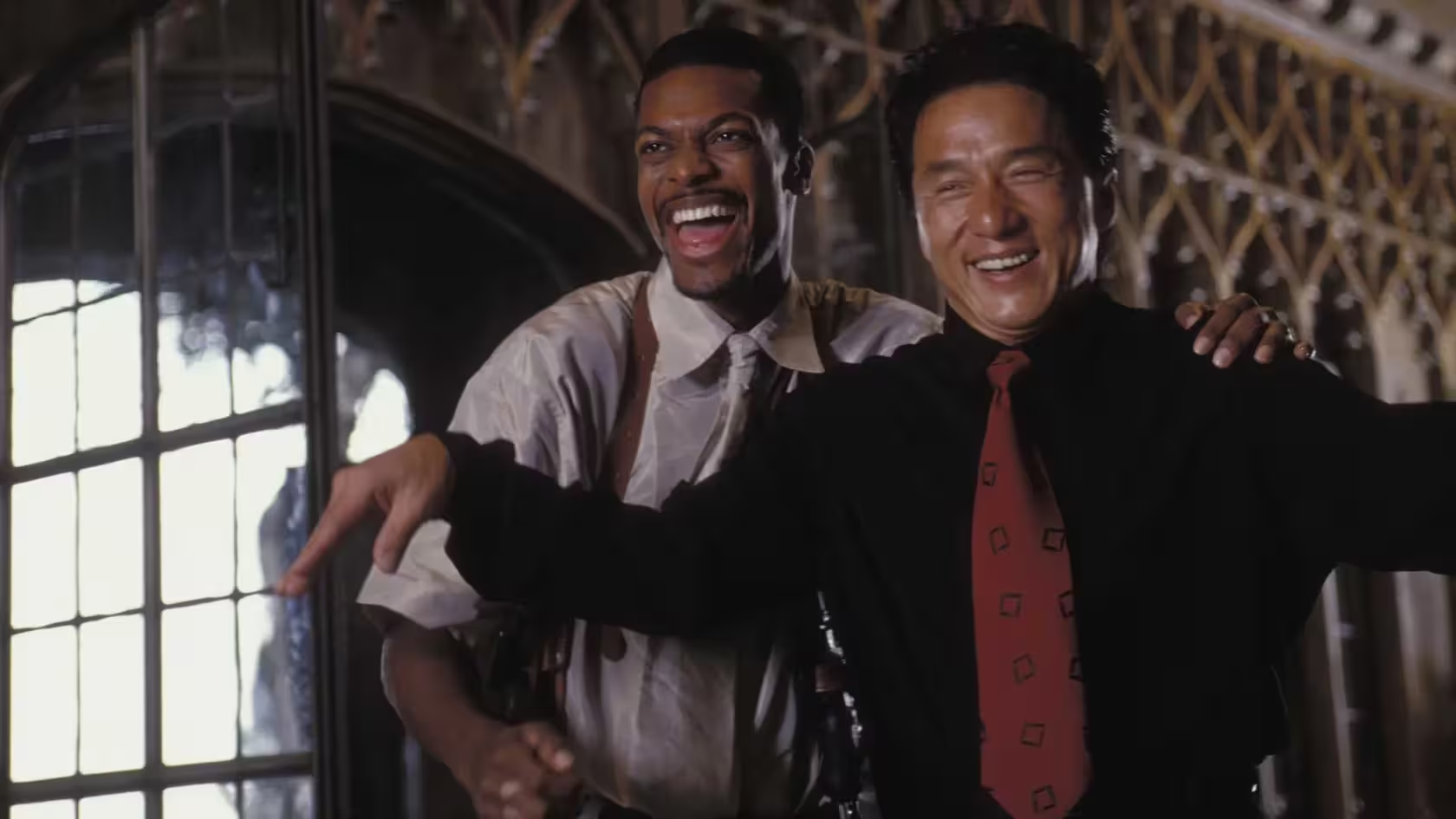
The original Rush Hour (1998) helped cement Jackie Chan’s Hollywood status and launched Chris Tucker into mainstream stardom. Trivia buffs note that the chemistry between the leads — an Asian martial arts star and a fast-talking Black comedian — was rare on that scale at the time and contributed to the trilogy’s broad appeal.
Critical perspectives are mixed: while fans celebrate the pairing and the franchise’s commercial track record, some critics argue a revival must reckon with its past and update its tone for modern audiences. There’s also scrutiny over financing sources and whether behind-the-scenes controversies will overshadow the movie itself.
"A new Rush Hour has to do more than trade on nostalgia," says film critic Anna Kovacs. "It needs fresh directorial rigor and a script that respects the duo’s chemistry without repeating old gags. With that budget and global backing, there’s a real chance to modernize the formula."
For now, the headline is simple: Rush Hour 4 appears to be back on track with major financing and both stars reportedly ready to return. Studios will be watching public reaction closely as more official casting, creative, and release details emerge.

Leave a Comment
Comments
No comments yet. Be the first.