
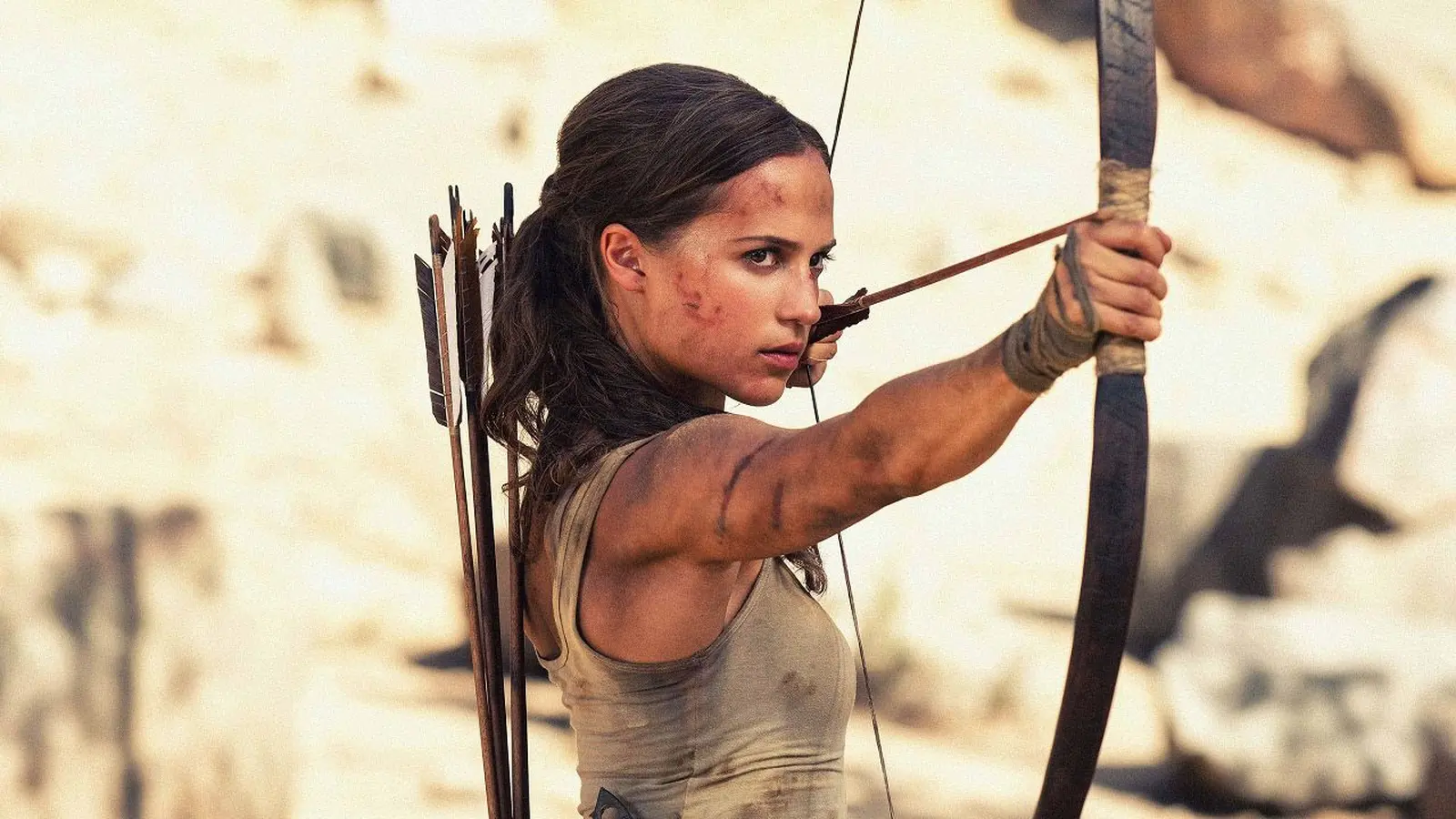
One shared canon: Tomb Raider’s bold new direction
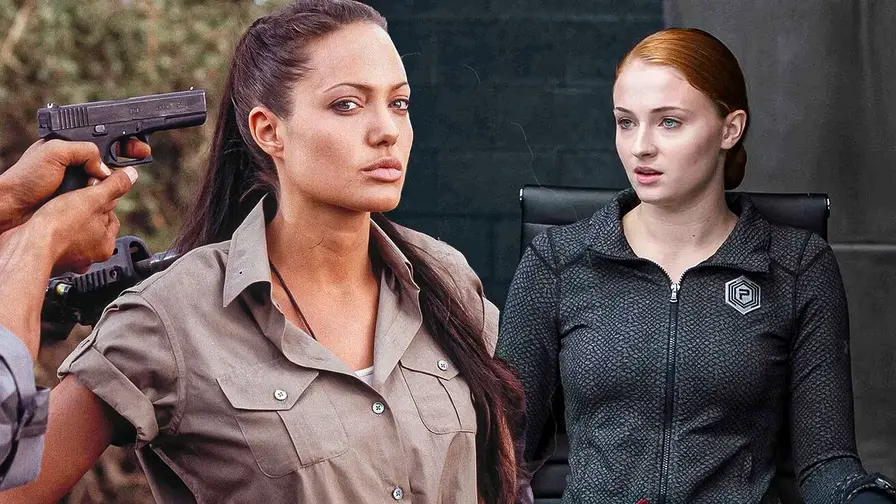
Amazon and Story Kitchen are steering Tomb Raider into uncharted waters. The upcoming live-action series — penned and produced by Phoebe Waller-Bridge — won’t be a standalone retelling in the mold of Angelina Jolie’s films. Instead, the show will intentionally connect with the video game continuity to create a single, unified narrative universe that spans games and television.
This is a deliberate franchise strategy rather than a simple adaptation. Story Kitchen’s announcement frames the project as a large-scale reinvention that links the live-action series to the videogames’ lore, opening the door for cross-medium storytelling and serialized mysteries that echo between formats.
Connections, casting and industry collaboration
Sophie Turner is confirmed to play Lara Croft, and Martin Bob-Semple has recently joined the cast, though his role remains unannounced. Crucially, Amazon is also working with Crystal Dynamics on the next Tomb Raider game. That collaboration suggests the series and the new game could drop mutual clues, Easter eggs, or overlapping plot threads to reward fans who follow both.
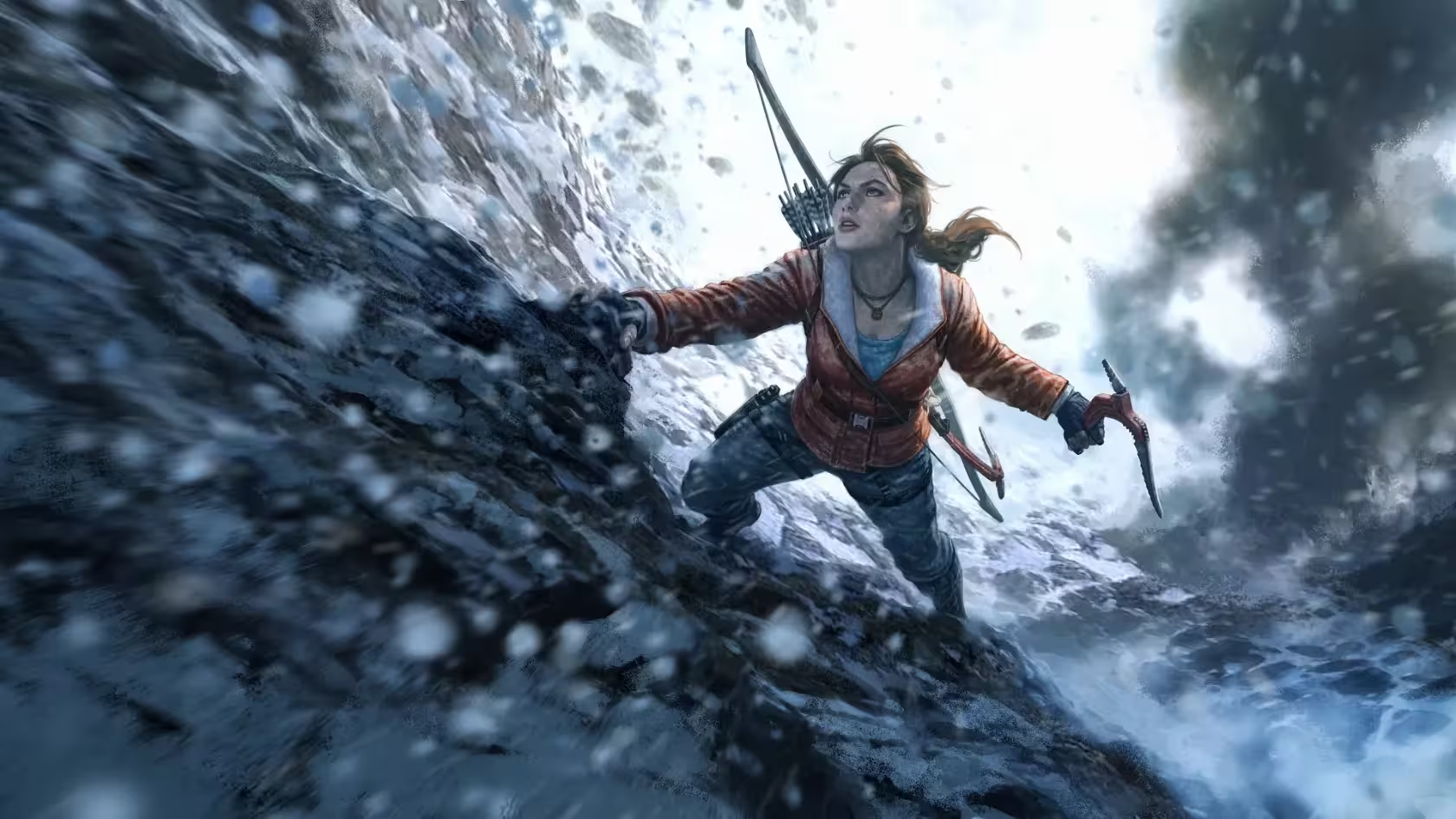
Netflix previously explored continuity in its animated Tomb Raider: The Legend of Lara Croft, which followed events after Shadow of the Tomb Raider and featured characters from the reboot trilogy. The new live-action effort appears to take that interconnected approach further, opting for a cohesive canon rather than isolated reboots.
Why this matters — and what could go wrong
Cross-media universes have become a mainstream strategy for film and TV franchises; compare this move to how The Witcher and some comic adaptations weave material from books, games, and shows. The potential upside is major: deeper fan engagement, merch and game tie-ins, and a continuous storytelling engine. On the downside, tightly linked canon can intimidate casual viewers who haven’t played the games, and risks franchise fatigue if every installment becomes a puzzle that requires consuming multiple mediums.
Fans and critics will also watch how the show balances Waller-Bridge’s signature voice with Lara Croft’s established character. Will it deepen her arc, or will it be constrained by the need to align with game plotlines?
Trivia: unlike the Jolie movies, which largely stood apart, this project follows the Netflix animation’s precedent of acknowledging the videogame timeline — but on a bigger, cross-platform scale.
Whether you’re a gamer, a TV binge-watcher, or a cinema enthusiast, this Tomb Raider experiment promises a new model for franchise storytelling. Keep an eye out for casting updates and the first cross-references between game and series — they’re likely to be deliberate and rewarding.

Leave a Comment
Comments
No comments yet. Be the first.