
2 Minutes
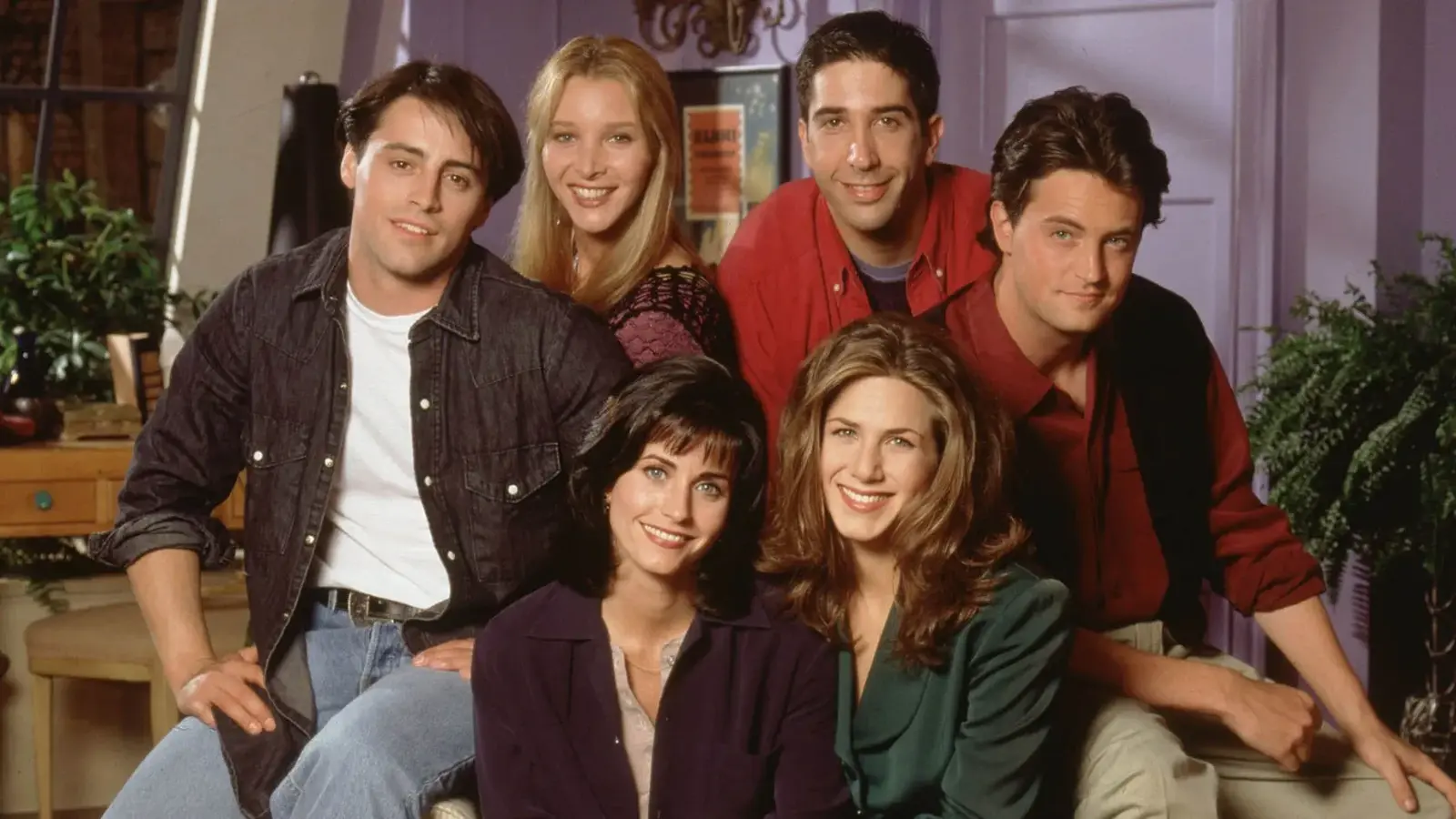
Netflix has sparked a fresh wave of online outrage after announcing the removal of two beloved TV staples: Friends and Supernatural. The news is a reminder that even the most watched shows can fall victim to licensing cycles and streaming catalog churn.
What’s leaving and when
Friends — which had been available on Netflix UK since 2018 — is scheduled to depart the service on December 30, 2025. Supernatural, a long-running favorite that has been on Netflix US for 13 years, will be pulled on December 18, 2025. December will also see feature films like Beverly Hills Cop and The Matrix exit the platform. These moves were first reported by The Independent and widely amplified across social media platforms.
Fans reacted with frustration and disbelief: Friends routinely topped Netflix’s most-watched lists and Supernatural built a fiercely loyal fanbase over its 15-season run. The anger isn’t just nostalgia; for many viewers, losing access disrupts how they consume and rewatch formative TV moments.
Why this happens boils down to licensing and rights management. Streaming platforms routinely renegotiate contracts or return rights to studios and distributors. That can mean shows migrate to other services, temporarily disappear, or become available only via purchase or pay-TV. In the current streaming landscape—with major players buying exclusive libraries—no title is guaranteed permanent residency on a single service.
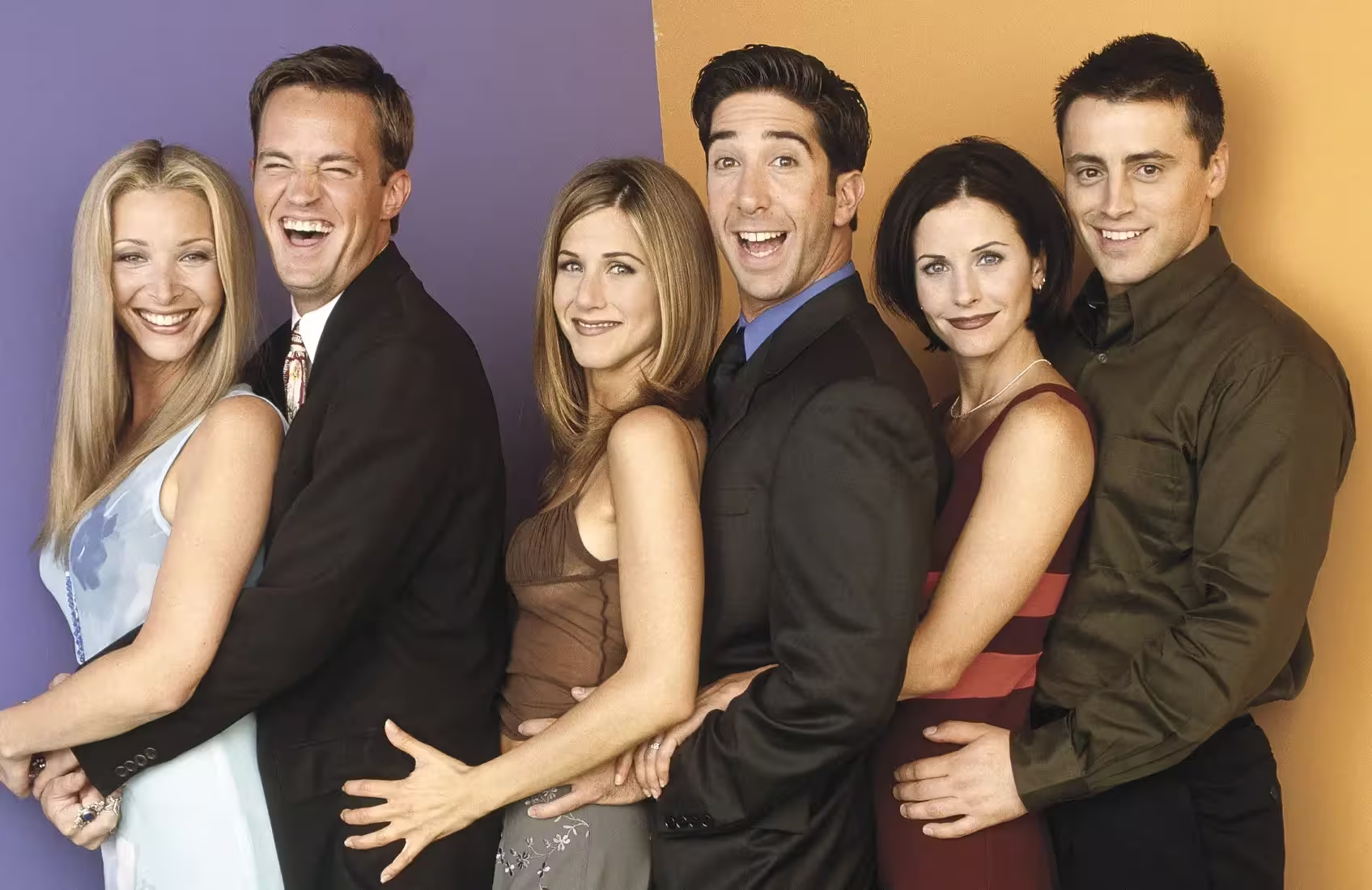
Comparisons and context: this isn’t the first time a streaming giant has shuffled catalog heavyweights. Friends previously moved between services in several regions, illustrating how catalog fragmentation mirrors larger industry trends: studios increasingly seek direct-to-consumer control, while streamers balance acquisition costs with subscriber growth.
A few quick notes fans might find useful: check other platforms or the studios’ direct services for potential relocation; consider digital purchase options; and keep an eye on broadcast or free ad-supported platforms that sometimes acquire temporary streaming windows.
Critical angle: while Netflix’s content refresh strategy keeps the catalog dynamic, the removal of culturally significant series underscores a conflict between corporate licensing models and viewer expectations of permanence. For many, streaming felt like a modern form of ownership—these removals are a stark reminder that it’s not.
Final thought: if you’ve been meaning to rewatch any of these shows, now’s the time to hit play. And keep a wishlist — the streaming landscape is always changing, but devoted fan communities often track where titles resurface.


Leave a Comment
Comments
No comments yet. Be the first.