
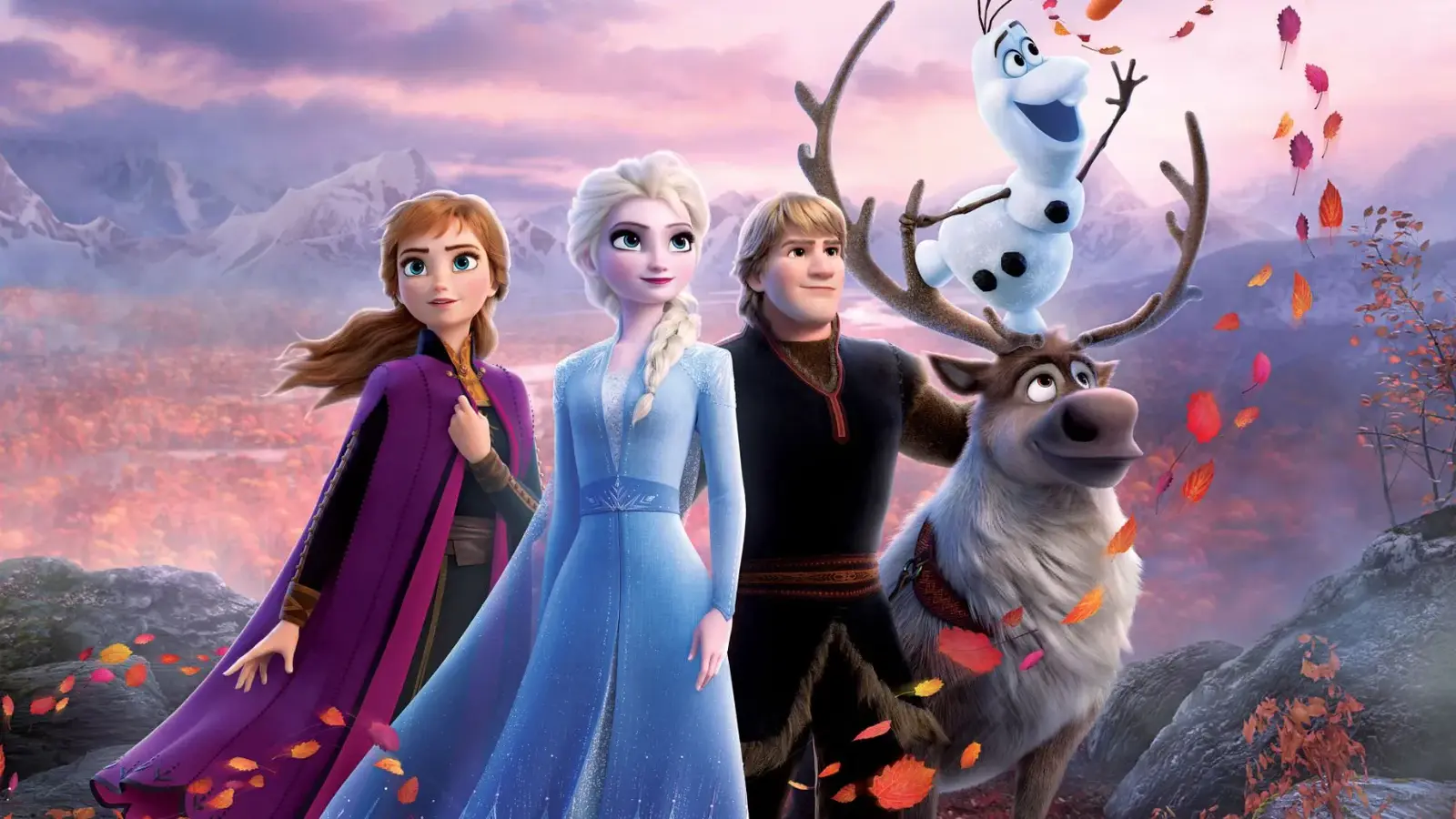
Disney’s characters step into AI storytelling
A landmark three-year agreement between Disney and OpenAI is set to bring more than 200 beloved characters from Disney, Pixar, Marvel and Star Wars into OpenAI’s new short-video engine, Sora. The pact makes Disney the first major content licensor for Sora and opens the door to user-generated short videos and images that draw on iconic outfits, environments, vehicles and creatures from those universes. In practical terms, fans will soon be able to type a single prompt and generate shareable short clips or fully rendered images featuring stylized versions of their favorite characters.
What the deal covers — and what it doesn’t
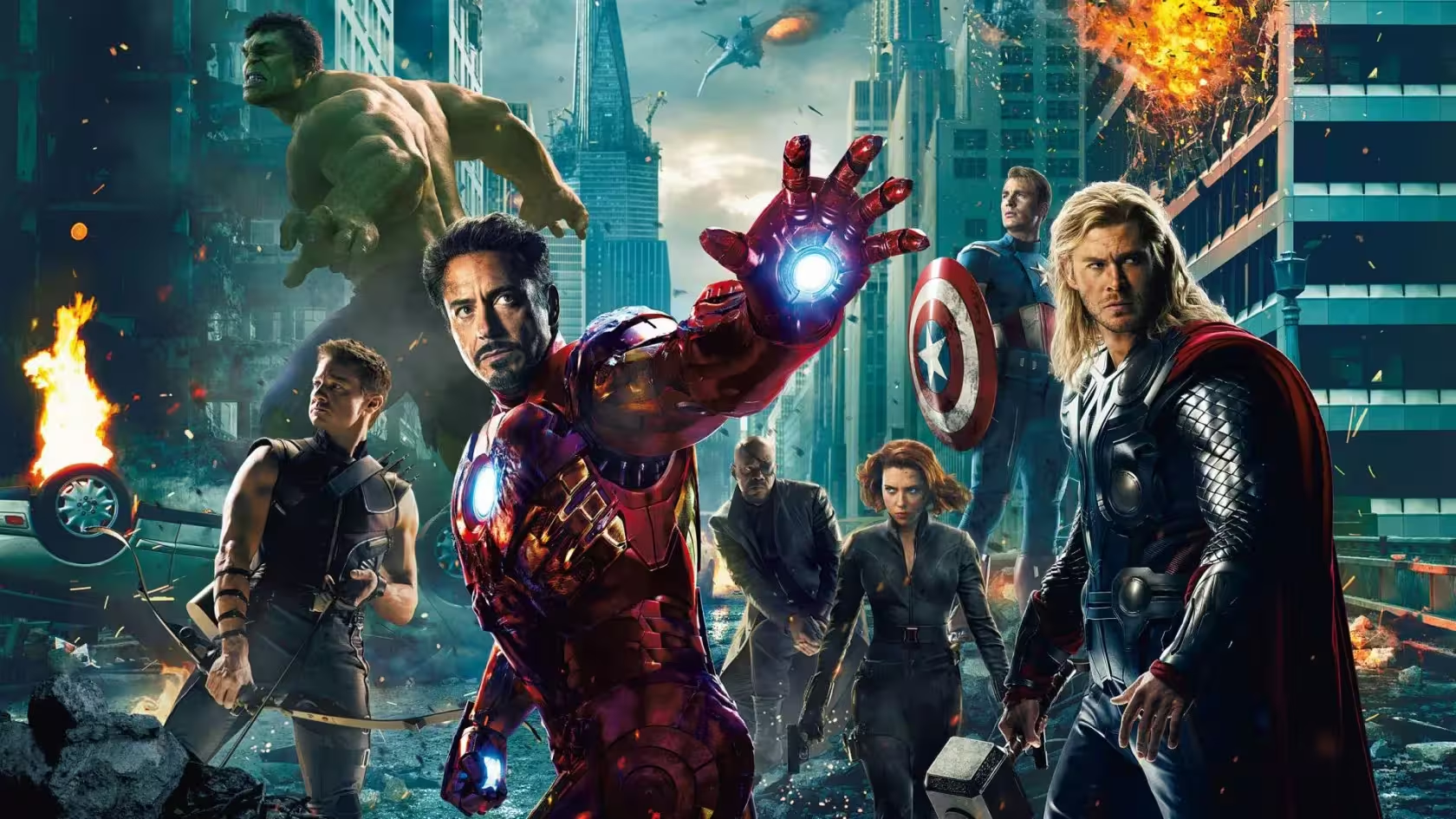
Sora will be licensed to use an extensive library of animated and comic-book-style IP: Mickey and Minnie, Lilo & Stitch, Ariel, Belle and the Beast, Cinderella, Baymax, Simba, the cast of Encanto and Frozen, characters from Toy Story, Up, Zootopia and many more. On the Marvel and Lucasfilm side, comic and animated iterations of Black Panther, Captain America, Deadpool, Groot, Iron Man, Loki, Thanos, Darth Vader, Han Solo, Luke Skywalker, Leia, the Mandalorian, stormtroopers and Yoda are included.
Crucially, the agreement excludes the use of specific actor faces and voices. That means the AI can recreate character designs, costumes and settings but not replicate an actor’s likeness or vocal performance — a distinction that aims to protect performers’ rights while enabling creative fan expression.
 chatgpt-logo-6831849cce5e45be88b9cc47.avif" width="1680" height="945">
How Sora and ChatGPT Images will be used
OpenAI’s Sora platform will focus on short-form video generation; ChatGPT Images will produce fully generated stills in seconds using the same licensed IP. Disney will also become a major OpenAI customer, integrating OpenAI APIs into new tools and experiences — including experimental features on Disney+ — while providing ChatGPT access to employees for creative workflows. According to the timeline in the deal, Sora and ChatGPT Images will begin producing Disney-licensed content in early 2026.
Industry context and comparisons
This partnership comes as entertainment companies test how to balance innovation with creative ownership. In recent years, studios and visual effects houses have leaned on AI and advanced CGI for everything from de-aging actors to generating complex crowd scenes; Lucasfilm and ILM have long pioneered digital character work. What sets the Disney–OpenAI deal apart is scale and licensing: rather than a studio using AI behind the scenes, this opens IP up to public creative tools.

That public-facing angle contrasts with controversies around deepfakes and unauthorized likenesses that have prompted unions and performers to demand clearer protections. By explicitly excluding actor faces and voices and committing to "responsible use," Disney and OpenAI are trying to thread a needle: unlocking fan creativity without undermining creators’ compensation and safety.
Fan reaction and early buzz
Fans on social platforms have reacted with equal parts excitement and caution. Many film and series enthusiasts are already imagining short-form crossovers — Moana meeting Groot, or Baby Yoda in Zootopia — while creators worry about the potential for oversaturation and off-brand content. Disney has indicated a curated presentation will be available on Disney+ featuring a selection of Sora-generated videos, which could help guide quality and brand tone.
"This kind of licensing is a new chapter for how audiences engage with stories," says Marco Jensen, a cinema historian. "It amplifies fan creativity while forcing the industry to set clearer ethical and legal boundaries — a necessary evolution as AI changes how narratives are made and shared."
Economic and strategic stakes
As part of the agreement Disney will make a $1 billion investment in OpenAI and receive the option to acquire more shares. The two companies frame the deal as a commitment to human-centered AI that supports creative industries and safeguards creators. For Disney, the partnership is both defensive — maintaining control over how its IP appears in AI tools — and strategic, building new audience experiences and product pipelines for Disney+.
What this means for creators and the future of storytelling
For filmmakers, animators and writers, the deal could introduce new collaborative workflows: storyboarding, concept art, and short-form test scenes generated faster than traditional pipelines allow. At the same time, rights holders, unions and creative communities will be watching how licensing terms, attribution, and revenue models evolve. The real test will be whether Disney and OpenAI can scale Sora in a way that respects creative labor and keeps the magic intact.
Expect Sora-originated shorts and AI-crafted images to appear in fan feeds and on streaming menus from early 2026. Whether this experiment deepens audience connection to characters — or sparks more debate over AI’s role in culture — it marks a significant moment where classic storytelling meets cutting-edge technology.
In the end, the partnership is less a conclusion than the start of a new storytelling toolkit: one that could reshape fan participation, marketing and the creative process itself.

Leave a Comment
Comments (2)
If that's real then.. hmm. Could boost fan creativity big time, but also prolly flood feeds with off-brand junk. Disney needs strict curation, not just $$$
Wait so anyone can make Baby Yoda mashups? Seems cool but who owns the weird stuff ppl make?