
3 Minutes
Filming Starts and Alabasta Looms Large
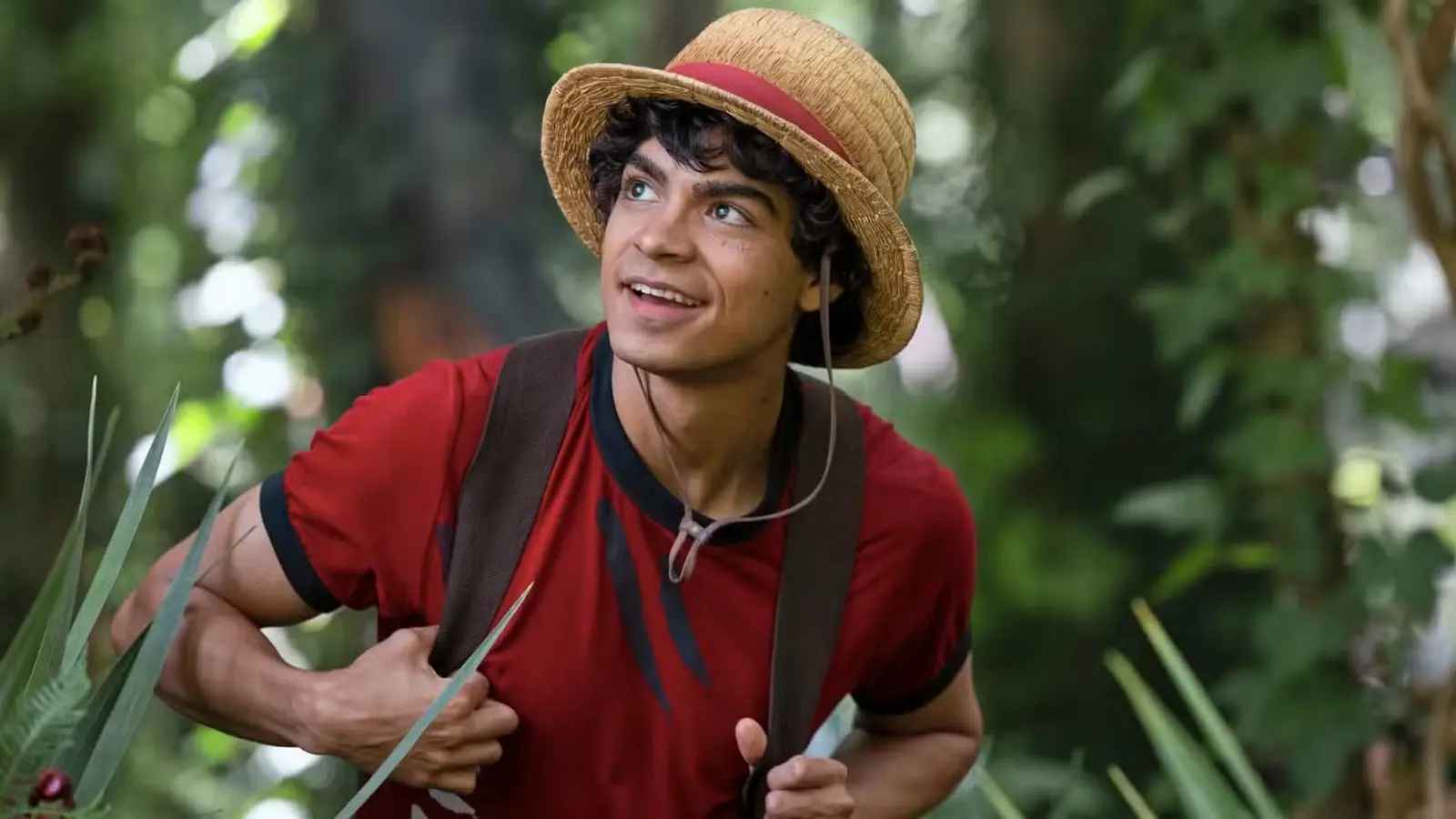
Netflix's live-action One Piece has officially moved into production on season 3, and creator Eiichiro Oda confirmed the news during Jump Festa. According to Oda, cameras are rolling and this upcoming season will complete the famed Alabasta arc — one of the manga's most emotional and politically charged storylines. For fans, that confirmation raises fresh questions about pacing, casting, and how Netflix will parcel the saga across seasons.
The show's casting choices for pivotal characters like Crocodile, Nico Robin and Chopper hint at an ambition to adapt at least through the Drum Island arc — the chapter where the Straw Hats meet Chopper and he joins the crew. If season 2 ends with Drum Island, as episode titles like "Deer and Loathing in Drum Kingdom" suggest, the most natural breakpoint makes narrative sense: it gives a clean arc finish and a dramatic springboard into Alabasta.
Pacing, Scope, and the Challenges of Adapting a Giant
Season 1 covered an impressively large swath of One Piece material — reportedly adapting roughly 90–100 manga chapters and the equivalent of many anime episodes — a brisk pace that helped establish the world but left little breathing room. A slower, more measured approach across seasons 2 and 3 could be a net gain: richer character beats, more faithful world-building, and visual effects time to polish set pieces like desert battles and large-scale political confrontations.

That cautious approach follows a broader streaming trend: big adaptations (from Game of Thrones to The Witcher) increasingly take season-to-season time to deepen cinematic craft. Netflix’s One Piece benefits from Oda’s involvement and from a cast that fans are eagerly dissecting online — reactions range from excitement to anxious curiosity about how iconic moments will translate to live action.
How Might Netflix Divide Alabasta?
Alabasta is sprawling: rebellions, betrayals, and some of Luffy’s most heroic moments. The simplest route is to let season 3 carry Alabasta to its conclusion, while season 2 finishes Drum Island. Another option would be to split Alabasta across two seasons, allowing more attention to its political complexity and emotional resolution.
Comparisons to other anime-to-live-action attempts are inevitable. Unlike adaptations that rushed or trimmed source material, One Piece’s measured pacing and creator support could help it avoid common pitfalls. Still, balancing spectacle with heart will be key.
Fans should watch for casting reveals, release windows, and behind-the-scenes updates from Netflix and Oda. If the show keeps its current momentum and embraces a slightly slower adaptation rhythm, it could become one of the more faithful and cinematic anime-to-live-action successes.
A short note: this season’s progress matters not just to fans but to how streaming platforms handle long-running manga properties going forward.


Leave a Comment
Comments
No comments yet. Be the first.