

3 Minutes
Renewal and global impact
Netflix has officially greenlit a second season of Last Samurai Standing, the Japanese historical-action drama that became a surprise global sensation. The streaming giant confirmed the renewal in Japan after the series dominated Netflix charts worldwide, topping the platform's non-English global Top 10 and appearing in the Top 10 lists in 88 countries. In Japan it spent four consecutive weeks at number one, quickly becoming one of the most talked-about domestic releases of the year.
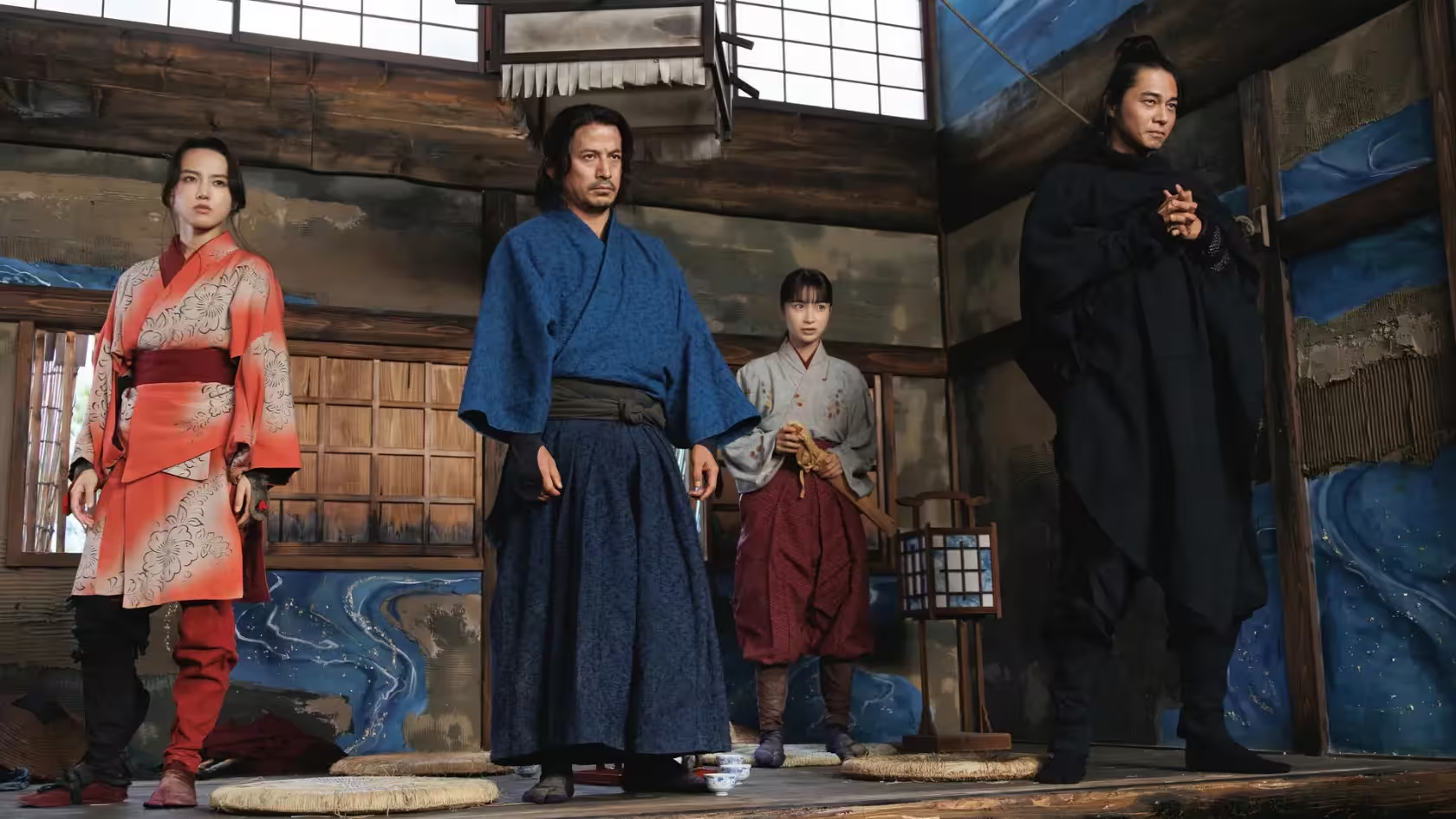
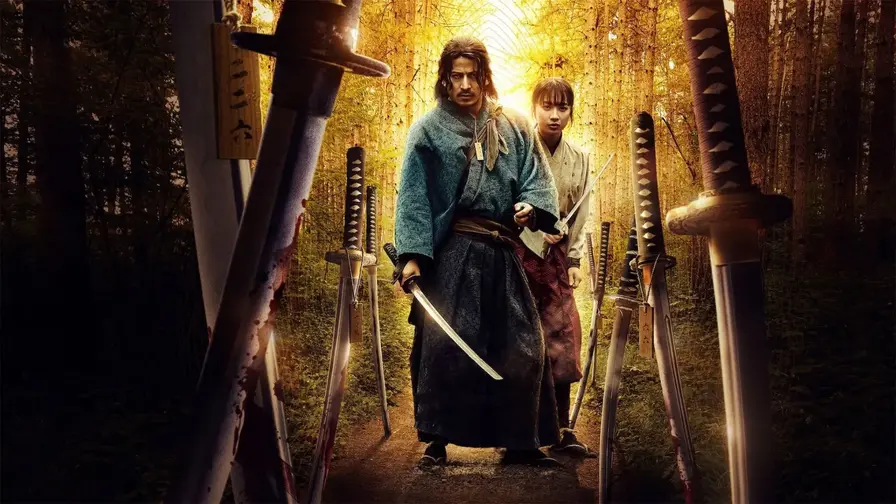
Last Samurai Standing blends survival drama, period spectacle, and meticulously staged combat. Set in the late Meiji era and adapted from Shugo Imamura's award-winning novel Ikusagami — a 2021 Naoki Prize winner — the series begins at Kyoto’s Tenryuji Temple where 292 samurai enter a brutal contest driven by the lure of a 100 billion yen prize. Junichi Okada plays Shojiro Saga, a desperate warrior who joins the lethal contest to save his ailing wife and child, while Michihito Fuji directs with a clear eye for atmosphere and physical storytelling.
Why it resonated
Beyond impressive fight choreography and cinematic production values, the show's success reflects bigger trends in streaming: audiences are hungry for high-quality, culturally specific storytelling with universal stakes. The series’ mix of gritty survival drama and historical detail echoes the global appetite ignited by other non-English hits — think the tense social-game energy of Squid Game or the historical spectacle of series like Kingdom — but Last Samurai Standing carves its own identity through its samurai ethos and period-specific moral dilemmas.
The series also made award-season noise: it became the first fully Japanese production to secure a Critics' Choice Awards nomination for Best Foreign-Language Series, and at the time of the renewal it held a remarkable 100% rating on Rotten Tomatoes. That critical acclaim, matched with broad viewer engagement, was an essential factor in Netflix’s decision to commission another season.
Behind the scenes and what to expect in season 2
Junichi Okada’s contributions extend beyond the lead performance: he’s credited as a producer and the series’ action designer, helping shape the physical grammar of the fights. The show’s ensemble cast and large-scale staged battles were praised by viewers and stunt professionals alike for their choreography and authenticity. Michihito Fuji has suggested that international feedback influenced the decision to expand the story, promising a scale-up in both visual ambition and emotional stakes for season two.
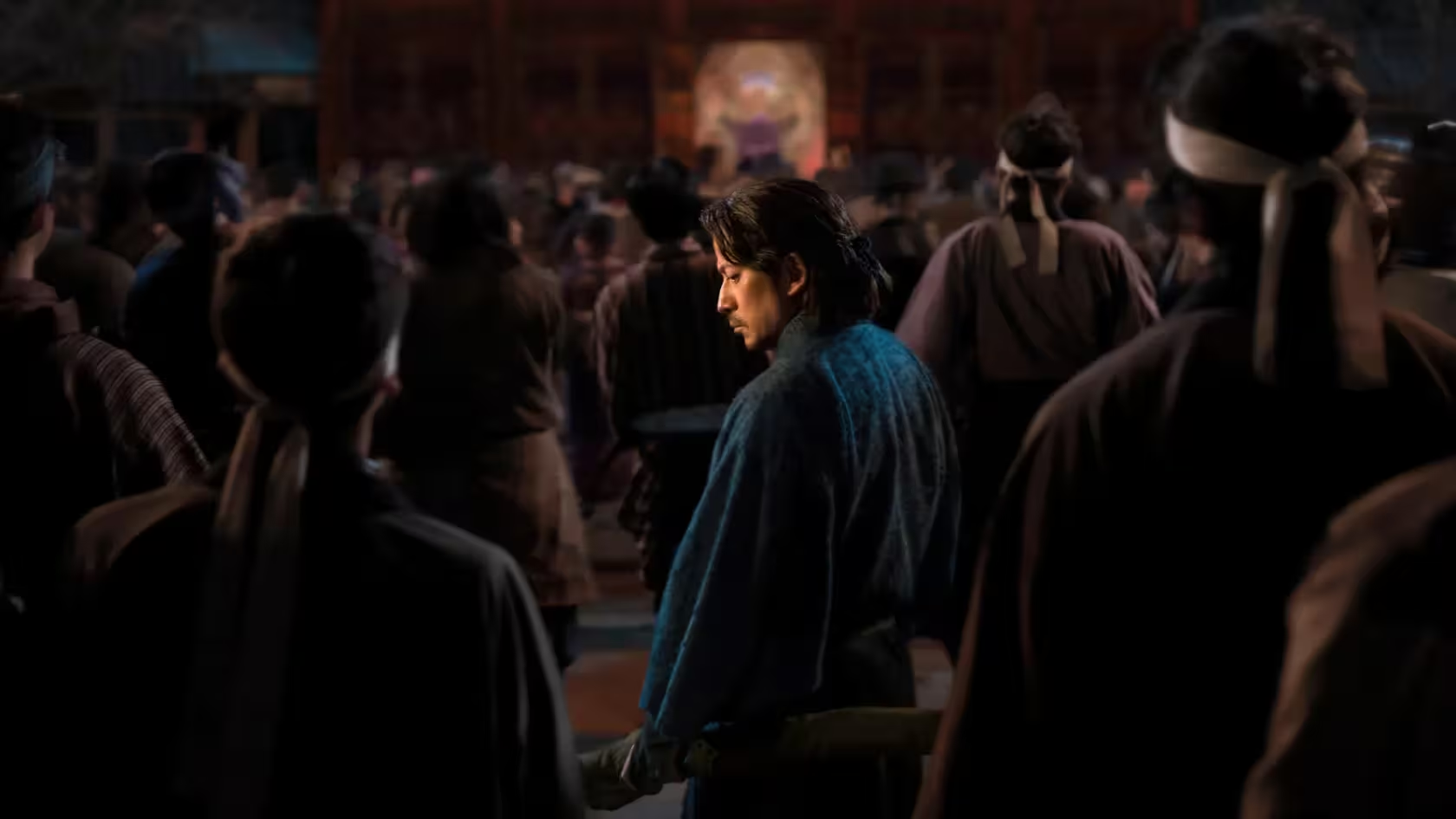
Okada had previously hinted at the possibility of a second season, noting that elements from Imamura’s novel — notably hints of supernatural and spiritual dimensions — could offer fertile ground for the next installment. While season one focused tightly on survival mechanics, future episodes may lean further into mythology, ritual, and the inexplicable forces that color the novel's world.
"Last Samurai Standing has proven that period drama can be both globally accessible and deeply rooted in Japanese culture," says cinema historian Marko Jensen. "Season two could broaden the stakes, bringing more of the novel's metaphysical themes to the forefront while keeping the visceral action that made audiences care."
Netflix has not yet announced production start dates or a release window for season two. Fans should expect an escalation: creators have spoken of pushing scale and quality beyond the first season, and given the international reaction, the studio appears committed to matching the show's newfound global profile.
Between ambitious battle set pieces, potential supernatural threads, and a cast that helped the series cross cultural borders, Last Samurai Standing’s second season is shaping up to be one of the year’s most anticipated returns for fans of samurai series, historical dramas, and high-stakes streaming events.

Leave a Comment
Comments
No comments yet. Be the first.