
4 Minutes
James Cameron’s blunt verdict on the Alien franchise
In a frank conversation on actor Michael Biehn’s podcast, director James Cameron—whose résumé includes The Terminator, Aliens and The Abyss—delivered one of his most outspoken takes on the Alien universe. The Oscar-winning filmmaker criticized the narrative choices made after Aliens and confirmed he has no intention of returning to the franchise.
Why Alien 3 drew Cameron’s ire
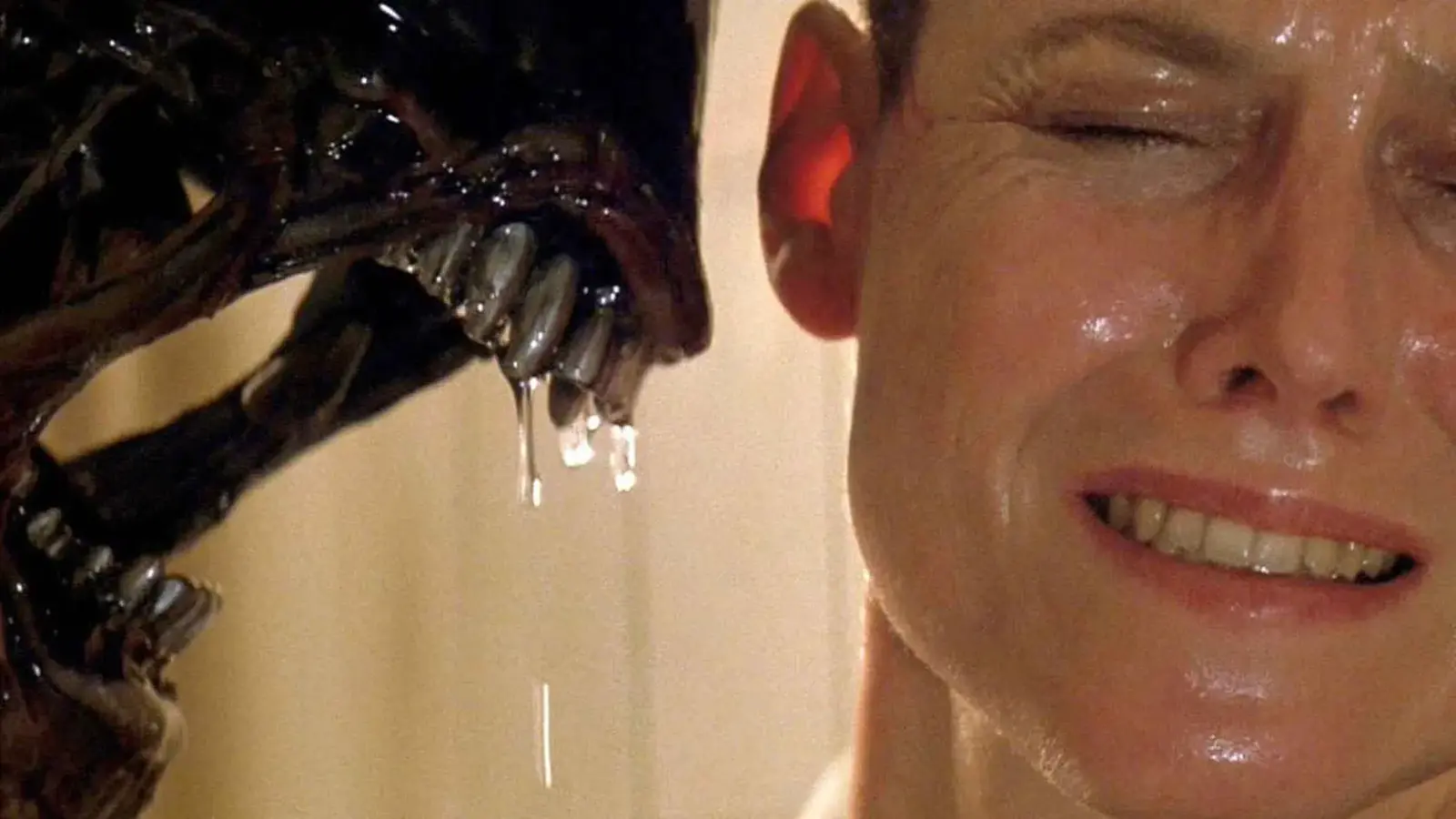
Cameron singled out Alien 3 for harsh criticism, especially the opening choice to kill off beloved characters Sergeant Hicks (Michael Biehn) and Newt (Carrie Henn). "I think it was the dumbest thing they could have done," he said, pointing out that Aliens had built emotional investment in Hicks, Newt and Bishop, only to erase that payoff immediately. The move, Cameron argued, replaced sympathetic leads with a roster of convicts that audiences were predisposed to dislike—an approach he found baffling and counterproductive to sustaining a franchise.
He defends David Fincher—blames the system, not the director
Despite his criticism of Alien 3’s story choices, Cameron was careful to defend David Fincher, whose first feature film was Alien 3. Cameron acknowledged Fincher’s talent and framed the film’s flaws as a result of studio interference and a difficult production environment rather than the director’s own vision. It’s a reminder that many franchise entries reflect corporate pressures and conflicting creative voices as much as individual artistry.
How Cameron views the later entries
Beyond Alien 3, Cameron gave terse but pointed assessments of later franchise efforts. He praised the streaming series Alien: Earth as "very good," and noted he enjoyed certain sequences in Alien: Romulus—particularly the zero-gravity acid scene. Prometheus got a mixed review: visually impressive but logically inconsistent in places. As for Alien: Covenant, Cameron suggested it wasn’t a film he would have made, hinting at a disconnection between the franchise’s modern creative directions and his own instincts.

Context: franchise fatigue and fan influence
Cameron’s final stance was unequivocal: he won’t be lured back, no matter the payday. He also observed that the franchise has increasingly become fan-driven—implying that audience expectations, nostalgia and online discourse now steer studio decisions. This mirrors a broader trend in Hollywood where legacy properties often oscillate between honoring fan wishes and trying to reinvent themselves, sometimes with mixed results.
Alien 3 itself is a cautionary tale of studio meddling and production strife—facts familiar to genre fans. The film underwent multiple rewrites and editorial adjustments, and Fincher’s relationship with the finished version was famously strained, contributing to the movie’s polarizing reputation. Fans remain divided: some admire its bleak tone and design, others mourn the loss of characters introduced in Aliens.
There was also brief mention of Neil Blomkamp’s canceled revival project—an idea that excited fans briefly but never made it to production. That cancellation underscores how even high-profile proposals can die on the vine when studios and creators disagree about the right direction for a franchise.
"Cameron’s critique isn't just about individual decisions—it's about how franchises are run," says film critic Anna Kovacs. "His perspective reminds us that behind every sequel is a web of creative, commercial and cultural forces. Whether you agree with him or not, his comments reopen an important conversation about authorship in franchise cinema."
For followers of science-fiction and franchise storytelling, Cameron’s remarks are both a critique and a lament: a welcome reminder that great characters and coherent storytelling still matter even amid blockbuster economics.
In short, James Cameron’s relationship with Alien is now firmly in the past—he’s praised some newer work, dismissed others, defended colleagues and, most of all, refused to be tempted back into a franchise he feels no longer aligns with his creative priorities.
Final note

Whether you view Cameron’s take as blunt truth or generational sour grapes, it provokes a useful conversation about how beloved series evolve—and sometimes lose their way—when the industry’s commercial engines turn faster than the creative compass.

Leave a Comment
Comments (2)
wow Cameron went hard, but I get it. I actually dug Alien 3's bleakness, still it hurt to lose those characters, studio politics smh
Wait, are we sure Hicks/Newt cut was purely stupid or a bold shock move? Feels like studios panicked, not Fincher. odd choice tho