
4 Minutes
A legend departs: Brigitte Bardot (1934–2025)
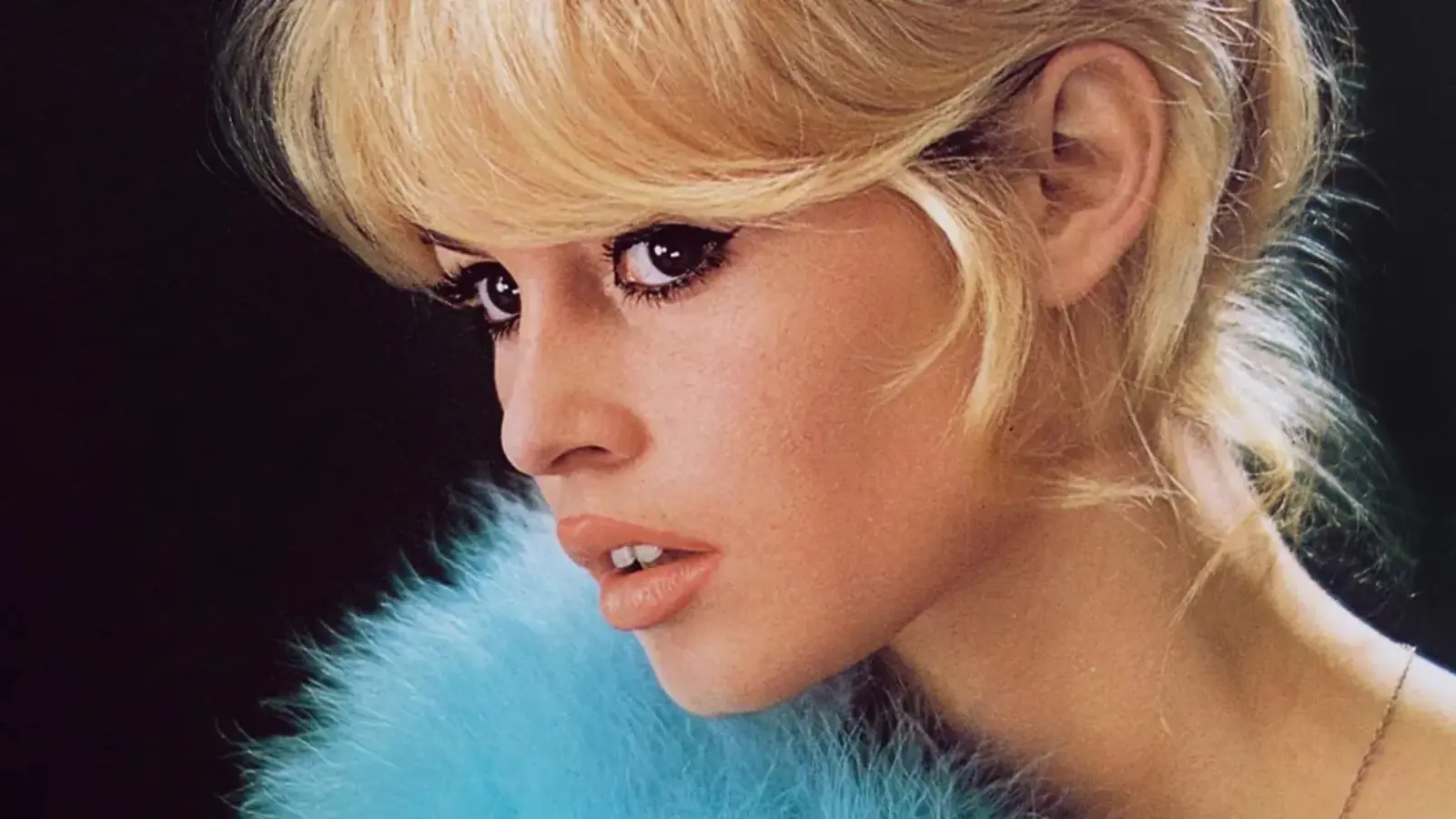
Brigitte Bardot, the French actress, singer and style icon who helped reshape postwar cinema, has died at the age of 91. The news was confirmed by Bruno Jaquelin of the Brigitte Bardot Foundation for the Welfare and Protection of Animals; she passed away at her home in the south of France. Authorities have not released an official cause of death. Bardot had been hospitalized briefly last month, but details about a funeral or memorial have not yet been announced.
A daring screen presence that changed international film
Bardot rose to international fame in the 1950s with a string of bold European films—many directed by her first husband, Roger Vadim. The 1956 release And God Created Woman (Et Dieu… créa la femme) was the watershed: modestly received in France, it became a global hit, grossing around $8.5 million and launching Bardot into superstardom. Her screen persona—blonde, youthful, at once alluring and seemingly innocent—offered an alternative to more overtly glamorous figures like Marilyn Monroe and the urbane elegance of Audrey Hepburn. That contrast helped redefine the visual grammar of female stardom in cinema.
Her work with auteurs also hinted at ambitions beyond sex-symbol status. Jean-Luc Godard’s Contempt (Le Mépris) remains a critically watched attempt to showcase her acting range, while Viva Maria! introduced her to English-language audiences and earned her a BAFTA nomination. Yet despite these flashes of dramatic recognition, Bardot’s attempts to be taken seriously as a dramatic actress had mixed results; commercial appeal and cultural image often outpaced critical reassessment.
From box-office star to controversial public figure

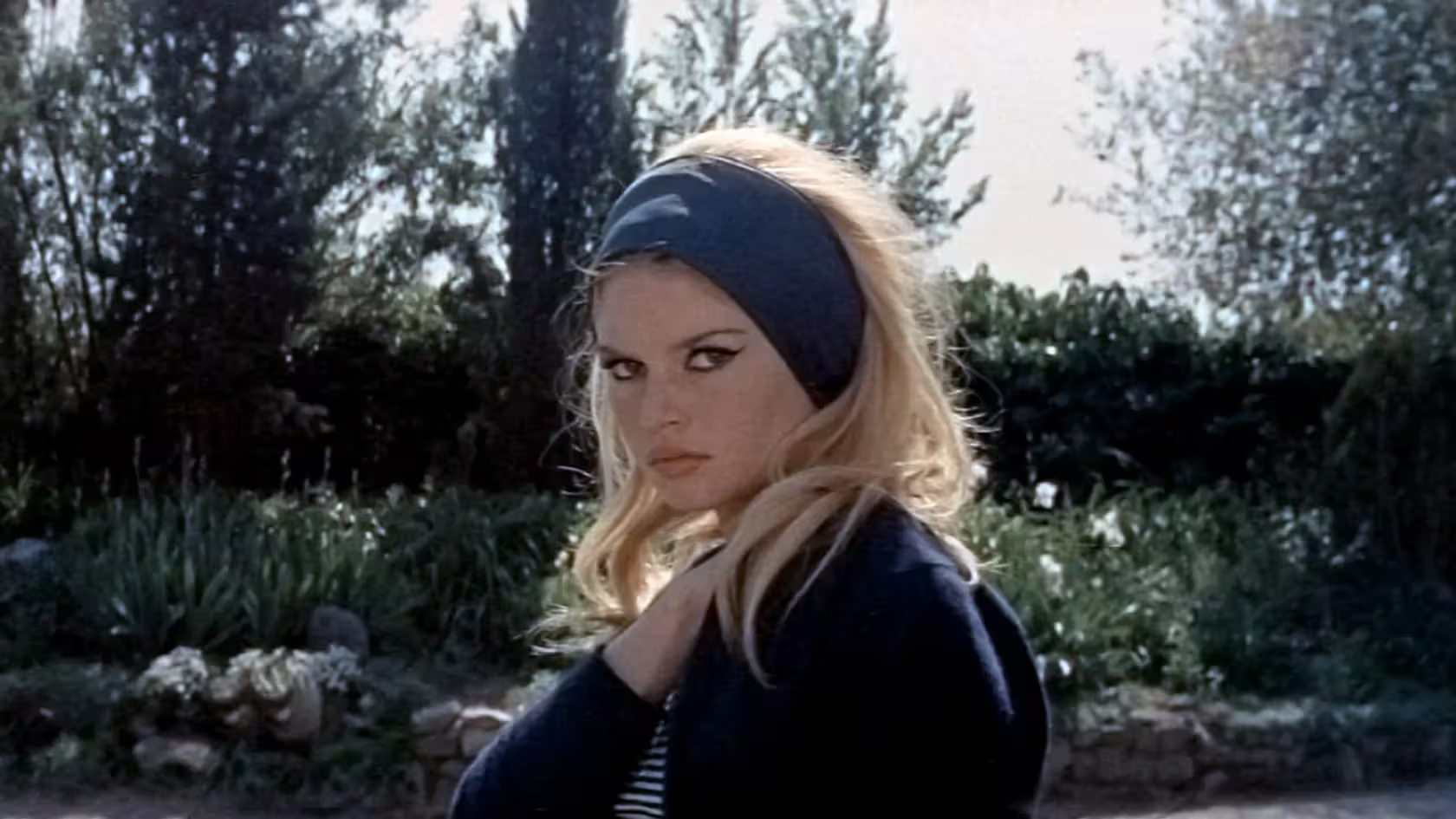
During the late 1950s and 1960s Bardot was among France’s highest-paid performers, starring in crowd-pleasers such as The Bride Is Much Too Beautiful (La Mariée est trop belle), The Night Heaven Fell and more mainstream ventures including Shalako, a Western starring Sean Connery. After her last screen appearances in 1973 she largely retreated from cinema, redirecting her public life to music, modeling, and—most notably—animal welfare activism. The Brigitte Bardot Foundation, established later in life, became central to her identity outside film.
Her personal life was as public as her films. Bardot’s relationships and marriages—most prominently to Roger Vadim, then to industrialist and socialite Gunter Sachs in the 1960s, and later to Bernard d’Ormale in 1993—kept her in the headlines. In later decades she became a polarizing figure for outspoken political views, which complicated her cultural legacy and shaped how new generations interpret her career.
Impact, comparisons and trivia
Culturally, Bardot helped break taboos about female sexuality on screen and contributed to a broader relaxation of censorship that influenced American cinema in the 1960s and beyond. Compared to contemporaries, she offered a rawer, more eroticized screen presence than Hepburn's refinement, and a different kind of vulnerability than Monroe's tragic glamour. Fans still celebrate her as a fashion icon—her bangs, smoky eye makeup and relaxed silhouettes continue to inspire designers.
Trivia: And God Created Woman’s international success was pivotal in introducing European sexiness to global markets; Viva Maria! brought Bardot paired with Jeanne Moreau in a comic, revolutionary double-act; and Bardot received a BAFTA nod for her cross-cultural appeal.
"Bardot wasn't just an image—she rewired how cinema could present desire and innocence simultaneously," says cinema historian Marc Delacroix. "Her films sit at the crossroads of commercial stardom and the artistic shifts of the 1950s and 60s, and that tension is why we still talk about her."

Her passing closes the final chapter on one of the 20th century’s most visible and complex screen presences—an artist whose work forced audiences to reconsider cinematic norms even as her later life sparked debate. For film lovers, Bardot remains both an emblem of a changing era and a reminder that stardom often carries contradictions.

Leave a Comment
Comments (2)
Is this even true? No official cause yet, she was 91 and had been hospitalized recently. Loved some of her films, but her politics complicate things. mixed legacy.
wow didnt expect that… such a striking, complicated icon. sad to see her go. iconic look, changed cinema, messy life but unforgettable. RIP?