
4 Minutes
How a very different Black Panther sequel almost existed
The tragic death of Chadwick Boseman in 2020 forced Hollywood — and Marvel Studios — to rethink one of its most anticipated sequels. What many fans didn't know until now is how radically different Black Panther: Wakanda Forever could have been. Director Ryan Coogler recently opened up about an early, 180-page draft that centered not on Wakanda's women or on national grief, but on a private, intimate story: the relationship between T'Challa and his son.
The "Rite of Eight": an intimate survival tale
Coogler described a narrative hinge he called the "Rite of Eight," an ancestral tradition in which an eight-year-old prince must spend eight days in the wilderness with his father, without tools, obeying commands while being allowed to ask any question the father must answer. That setup became the emotional engine of the draft: during those eight days, Namor's forces attack. T'Challa must face a lethal enemy while the prince, bound by ritual, stays at his side. It promised quiet father-son moments and high-stakes action in close quarters — a film built on legacy, mentorship, and the passing of knowledge.
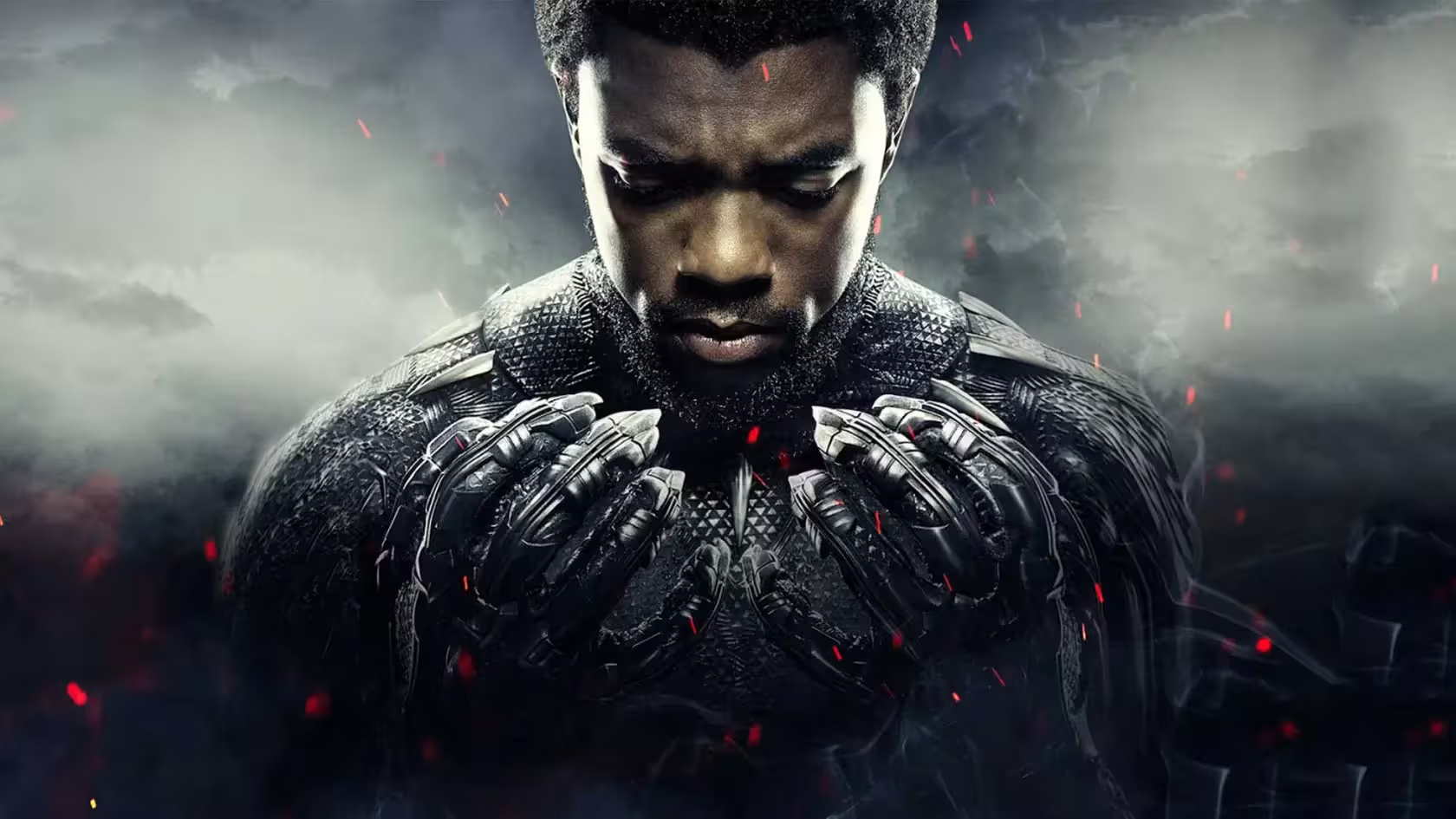
This concept would have placed Boseman at the story's emotional center in a way that felt natural and poignant. Coogler admitted the idea was "wild" and that Boseman would have shone in it; yet the real-world loss pushed the project in another direction.
From personal myth to communal mourning
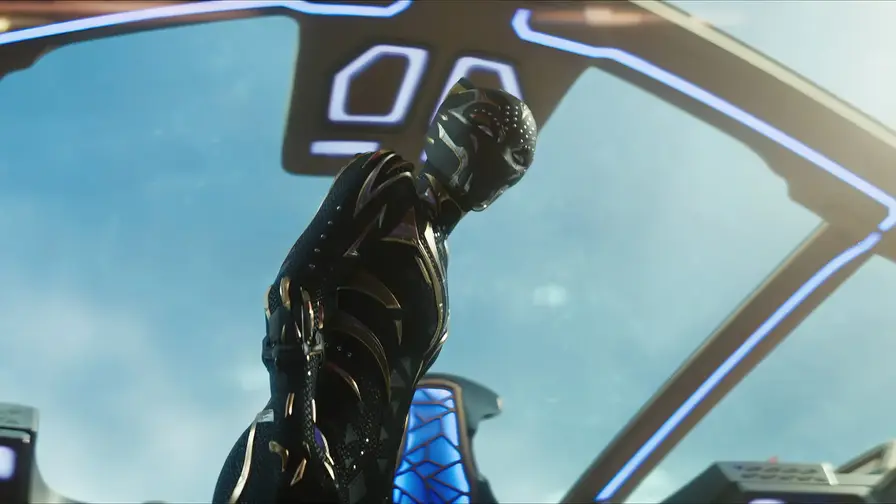
Rather than recast T'Challa or attempt to continue his narrative as initially written, Marvel and Coogler pivoted. The finished Wakanda Forever becomes a meditation on grief, legacy, and female leadership — a bold decision that reframed the franchise. The film follows the women who carried T'Challa's life forward, fighting both external threats from Namor’s Atlantis and the internal work of understanding who Wakanda will be without their king.
That tonal switch mirrors Coogler's broader interests as a filmmaker. His earlier films — Fruitvale Station and Creed — are intimate character studies that probe trauma and resilience. The shift in Wakanda Forever from a father-son survival tale to a communal elegy is consistent with Coogler's focus on human consequences within genre frameworks.
Comparisons and context

This kind of mid-course correction is rare but not unprecedented in blockbuster cinema: when actors die or drop out, franchises have recast (James Bond) or reshaped stories (The Crow). Marvel's decision to honor Boseman by not recasting recalls how some creators choose to preserve an actor’s legacy rather than attempt replacement. In terms of tone, Wakanda Forever's emphasis on women and mourning aligns it more with films such as Mad Max: Fury Road in their centering of resilient female protagonists within action worlds.
Behind the scenes and fan reaction
Coogler revealed his early draft on the podcast Happy Sad Confused, and fans immediately poured over the implications. Trivia that intrigued the community: the 180-page length suggests a sprawling script with many set pieces and character beats that didn't make the final cut. The film's ending — a nod to Nakia's son bearing the name T'Challa — became a controversial and hopeful touchpoint for fans debating legacy versus replacement.
Critics praised Wakanda Forever for its performances (notably Lupita Nyong'o) and its willingness to tackle grief, though some viewers missed a more straightforward superhero arc. The film's production choices also hinted at Coogler's interest in ritual and myth, which are present in both drafts but emphasized differently.
"Ryan Coogler made a brave artistic choice," says Anna Kovacs, a film critic. "Turning the sequel into a story about collective mourning rather than a direct continuation required humility and a clear vision. It allowed Wakanda Forever to feel like elegy as much as entertainment."
Why the change matters
This creative pivot illustrates how franchise filmmaking can adapt ethically and artistically to loss. It also shows Marvel's willingness to let auteurs like Coogler steer major properties into unexpected thematic territory. For moviegoers and MCU watchers, the story behind the scenes enriches the viewing experience: understanding the "what might have been" deepens appreciation for what the final film ultimately chose to say.
Whether you prefer the father-son survival drama of the lost draft or the elegiac, female-led film that reached screens, both approaches speak to legacy — a core MCU concern. Coogler's transparency on the early screenplay gives fans a rare look at the branching paths blockbuster narratives can take when life changes the script.
In the end, Wakanda Forever stands as both tribute and transformation — a reminder that storytelling in cinema can be as much about honoring real lives as it is about building fictional worlds.

Leave a Comment
Comments (2)
Is this even true? 180 pages sounds like a whole other movie. Kinda feels like Hollywood dodging a hard recast choice, but also respect the decision. curious what was lost tho...
wow that Rite of Eight sounds so haunting and tender… Boseman woulda owned that quiet father-son stuff. The grief pivot landed for me, messy, necessary, beautiful. if only we could've seen both