
3 Minutes
New Year's streaming meltdown: what happened
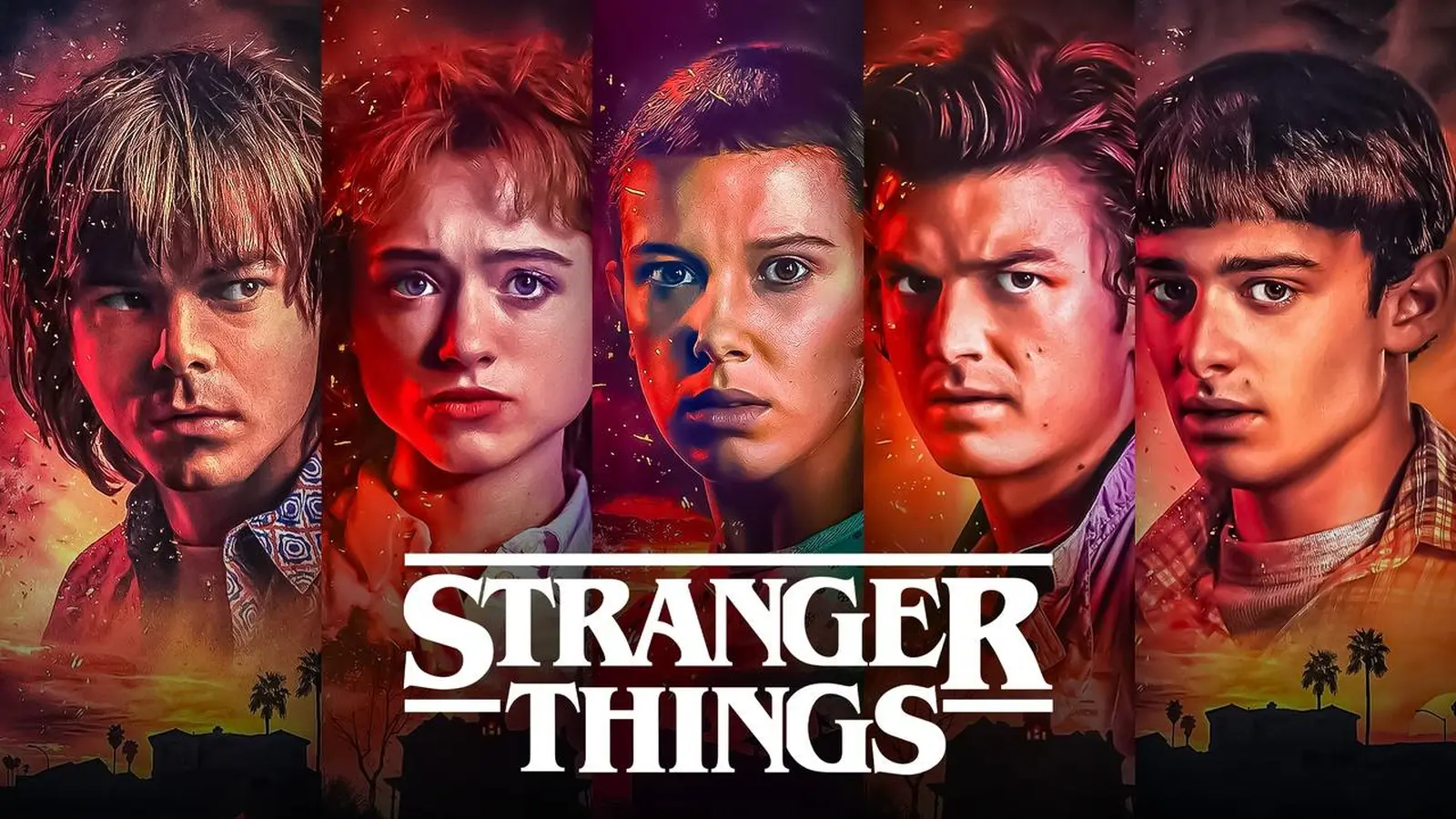
The long-anticipated final episode of Stranger Things ignited a cultural moment — and briefly brought parts of Netflix to a halt. As the Season 5 finale dropped on New Year's Eve, thousands of viewers reported streaming errors and app crashes on social platforms. Short, frantic posts described frozen screens, repeated buffering and failed loads just minutes into the episode.
Social reaction was immediate: fans joked about spending New Year's watching the Upside Down rather than fireworks, while others expressed frustration that the streaming giant couldn't keep up with the live demand. These outages echoed previous high-traffic streaming incidents, underlining how major television events now function like box-office openings for the internet age.
Viewer numbers and theatrical screenings
Despite the technical hiccups, the numbers tell a different story. After Part Two of Season 5 premiered on December 25, Stranger Things surged back to Netflix's top spot with 34.5 million views for that release window. Cumulatively, since the November launch of Season 5's first part, the season has amassed an astonishing 137.1 million views — a marker of the show's sustained global popularity.
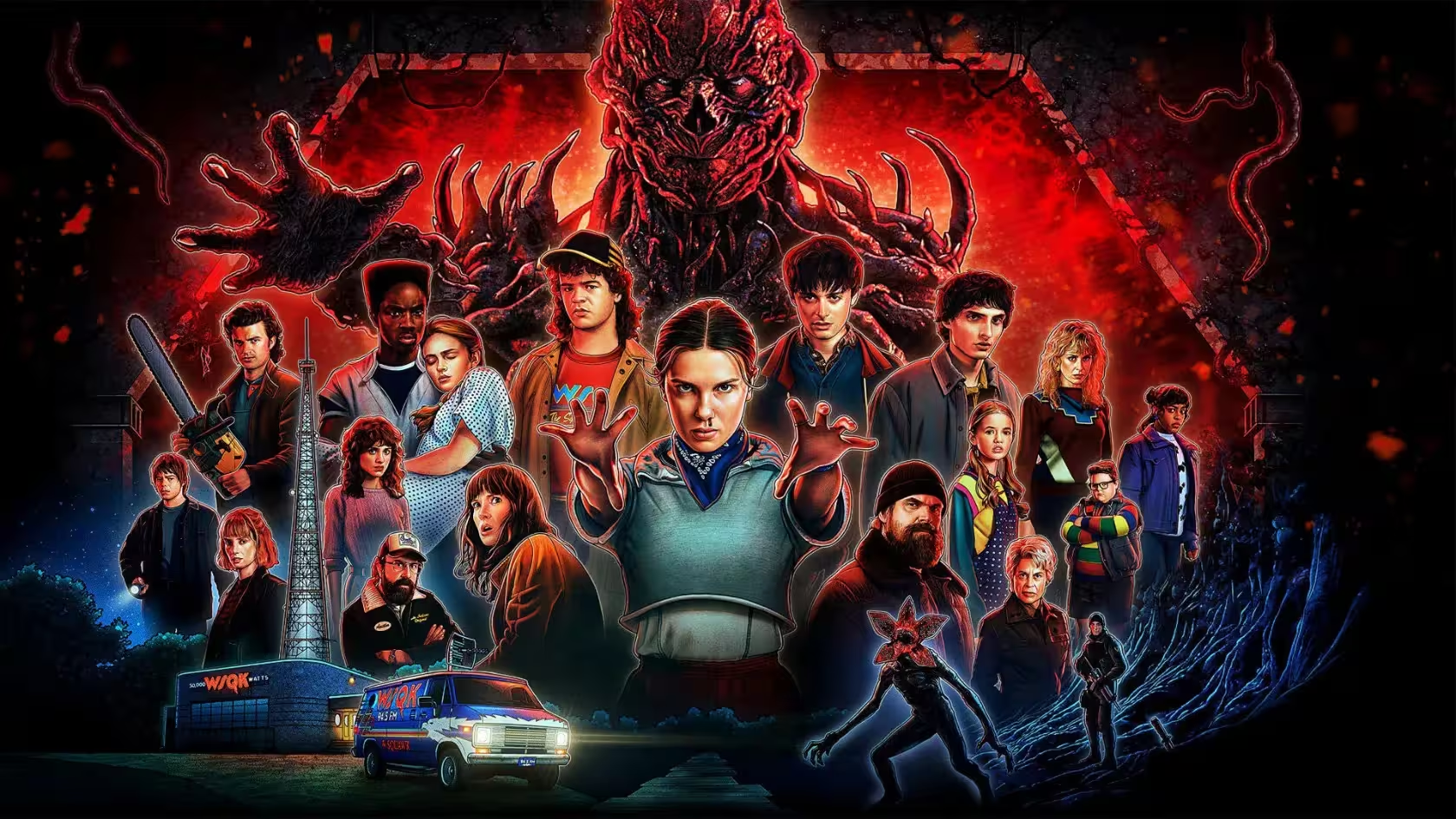
To accommodate demand and give fans an uninterrupted way to watch, the finale was also screened in more than 350 cinemas through New Year's Day. Turning a streaming episode into a theatrical event isn't new, but it's increasingly common as studios and streamers search for alternate release strategies that double as shared cultural experiences.
Context: why streaming events strain infrastructure
Big television finales and blockbuster releases behave like simultaneous box-office rushes, and streaming platforms must balance global load, device compatibility and CDN performance. When a single title commands tens of millions of concurrent streams, localized server congestion or app bugs can cascade into widespread outages. Netflix has weathered similar spikes before, and the incident highlights the technical complexities behind instant global releases.
How this finale compares
Stranger Things' finale ranks among the most-watched streaming events of recent years, joining the likes of other high-profile Netflix hits and cultural water-cooler finales across platforms. Unlike some linear-TV finales that built momentum episodically, Stranger Things benefitted from serialized binge culture and cinematic production values that encouraged both home viewing and theatrical screenings.
'From a cultural standpoint, this finale demonstrates how television today blurs into cinema: high production, eventized releases, and shared viewing rituals,' says film critic Lena Morales. 'The decision to show the episode in cinemas recognized that some stories want a communal, big-screen experience — and it was a smart hedge against streaming instability.'
Fan communities and critical takeaways
Fans turned social feeds into real-time status boards: troubleshooting tips, redirected theater ticket links, and playful memes kept the conversation alive even when the app faltered. Critics and industry watchers will likely use this moment to discuss resiliency planning in streaming distribution and the growing appeal of hybrid release strategies.
Whether you're team sofa or team cinema, the finale proved one thing: big TV can still stop the internet — and it can still pack a theater. For viewers, it was a reminder of the collective power of fandom; for providers, a nudge to keep scaling infrastructure in step with cultural appetite.
A final note: outages are inconvenient, but they underscore how television premieres have become shared cultural rituals. The Upside Down may be fictional, but the real-world frenzy around its finale shows how TV remains a central part of popular culture.


Leave a Comment
Comments
No comments yet. Be the first.