
3 Minutes
Las Vegas sky turns Hawkins' Upside Down into spectacle
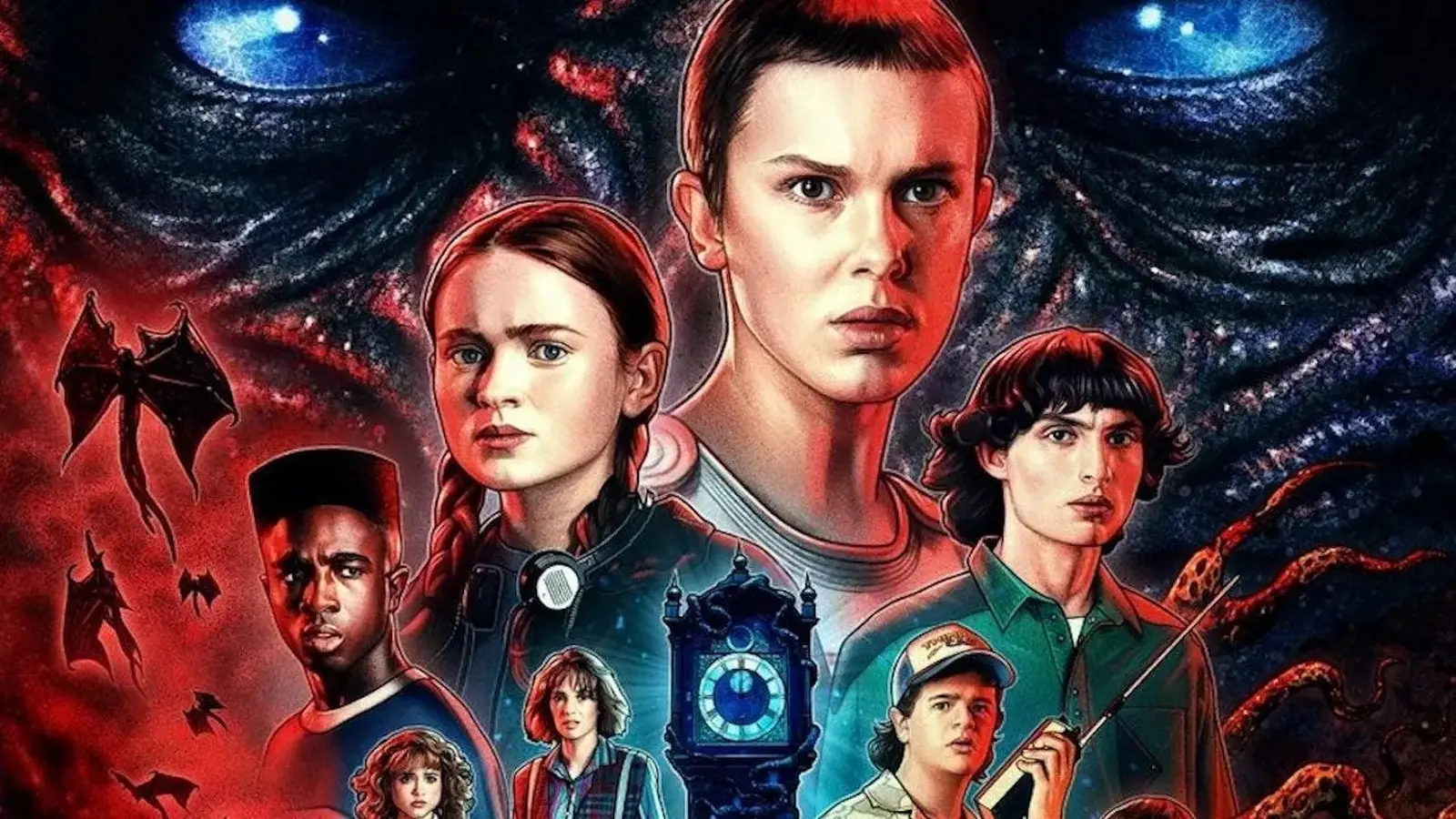
The final episode of Stranger Things landed with a show-stopping tribute: an aerial drone performance over Las Vegas that used roughly 5,000 drones to recreate the series' most iconic imagery. The synchronized lights and formations — from the show's instantly recognizable logo to eerie silhouettes evoking the Upside Down and its creatures — turned a stretch of desert sky into a cinematic canvas.
This wasn't just a publicity stunt. The scale of the display signaled how Netflix treated the series' conclusion as a cultural moment deserving of theatricality, reminding viewers that Stranger Things was more than a streaming hit — it became a global pop-culture phenomenon that helped define Netflix's identity in the 2010s and early 2020s.
How the stunt fits into wider entertainment marketing
Spectacle-driven campaigns are increasingly common for franchise finales and tentpole releases: from outdoor light installations to coordinated drone shows at sporting events. Netflix’s Vegas drone display sits alongside marketing efforts from major studios that lean into live, shareable experiences — think large-scale fan activations at Comic-Con or city-wide takeovers during premieres. Unlike a billboard or trailer drop, a drone show offers a communal, ephemeral event that plays well on social media and in evening news reels.
Fans, critics and a glance behind the lights
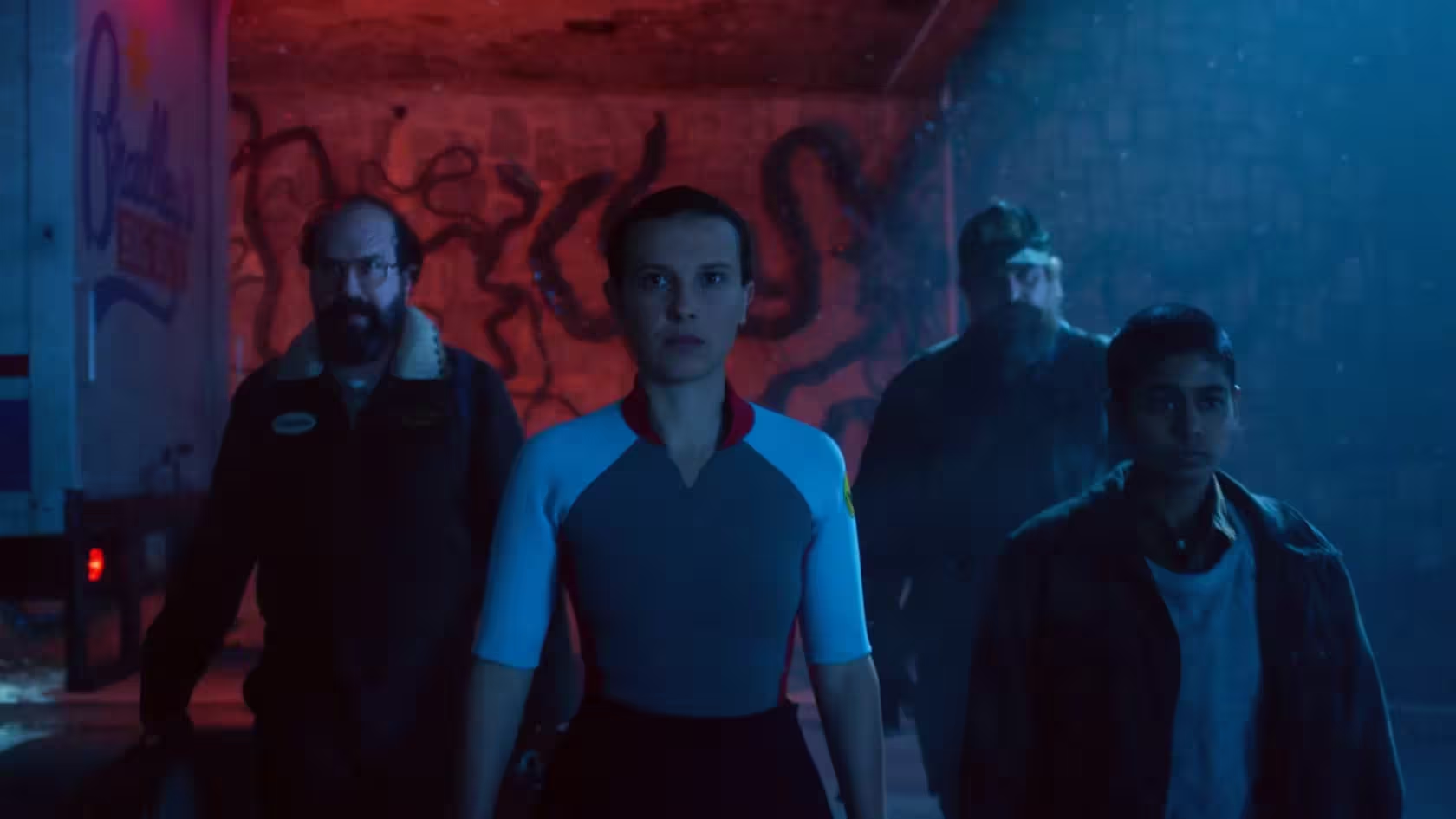
Fans flooded social feeds with videos and nostalgic commentary, celebrating characters, synth soundtracks and the show's 1980s-infused mood. Critics, meanwhile, raised sensible questions: does gargantuan marketing enhance the emotional closure of a finale, or does it risk overshadowing the storytelling? Some praised the poetic alignment between Stranger Things’ mix of wonder and menace and the visual drama of hundreds of twinkling drones; others saw it as a reminder of modern entertainment’s appetite for spectacle.
A bit of trivia: coordinated drone shows have become technically feasible and safer in recent years, with companies able to animate thousands of units simultaneously to form complex 3D shapes — a perfect medium to render Hawkins’ strange silhouettes without a single physical prop.
Compared to finales like Game of Thrones — which created cultural ripples through water-cooler debates and memes — Stranger Things’ ending arrived with a cinematic, celebratory flourish befitting its nostalgic, blockbuster sensibility.
Whether viewed as a fitting send-off or an extravagant marketing move, the Las Vegas drone display underlined the show's place in modern TV history: a serialized adventure that inspired fandoms, fashion, and a very visible, very shimmering final bow.
In short: the sky gave Stranger Things a goodbye it felt it deserved — loud, luminous and undeniably watchable.


Leave a Comment
Comments
No comments yet. Be the first.