
4 Minutes
A finale built on a familiar blueprint
When the Duffer Brothers set out to close Stranger Things after nearly a decade on Netflix, they reached into an unexpected place for inspiration: Peter Jackson's The Lord of the Rings, especially Return of the King. Ross and Matt Duffer have openly acknowledged in recent interviews that the structure and emotional architecture of the LOTR finale — its long epilogue, the careful tying-up of characters’ futures, even the final credit sequence — helped shape the season five ending.
The eighth episode of Stranger Things 5 plays more like a feature film than a standard TV finale. Clocking in around two hours, it stages a last stand between Hawkins’ heroes and the mind-bending threat of Vecna, then offers something fans have been demanding for years: a thoughtful, scene-by-scene send-off that shows where these characters end up, not just how they defeat the villain.
What the epilogue gives the cast and the audience
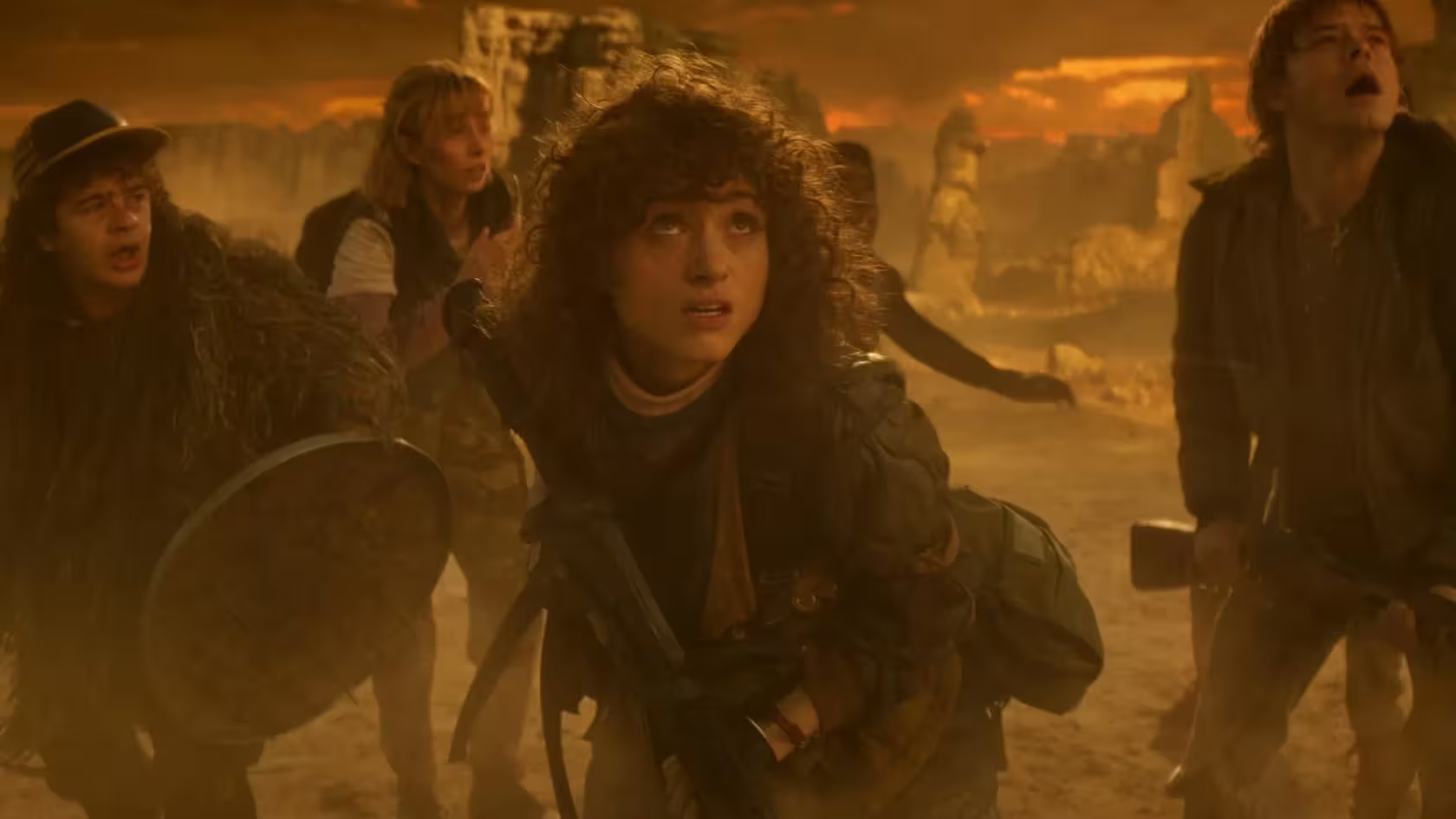
The structure follows a familiar cinematic pattern: a climactic confrontation followed by an extended epilogue that sketches futures. That’s exactly what Return of the King did — showing Aragorn’s kingdom, Sam’s quiet life in the Shire, the tender departures at the Grey Havens — and Stranger Things mirrors that approach. After Vecna’s fall, viewers get a time jump that allows the series to deliver personal closures: Nancy, Robin and Jonathan return from the West Coast for a graduation rite; Steve has shifted into a more grounded role as a teacher; Joyce and Hopper are engaged and preparing to leave Hawkins; while Mike, Dustin, Will, Lucas and Max set off on their own paths.
There’s also a memorable twist: the final blow to Vecna comes from a character many would have least expected, a dramatic decision that intentionally subverts the typical hero-only resolution.

Comparisons and creative lineage
This finale doesn't stand alone. The Duffer Brothers built Stranger Things on a foundation of 1980s cinema (Spielberg, Carpenter) and literary horror (Stephen King), and the LOTR influence adds a different legacy: high fantasy’s emphasis on aftermath and the emotional labor of surviving. Compared to other landmark TV endings — the moral reckoning of Breaking Bad, the divisive closure of Game of Thrones — Stranger Things opts for sentimentality paired with narrative clarity. It’s a finale that favors nostalgia and character closure over ambiguous shock.
Fan reaction, trivia and behind the scenes
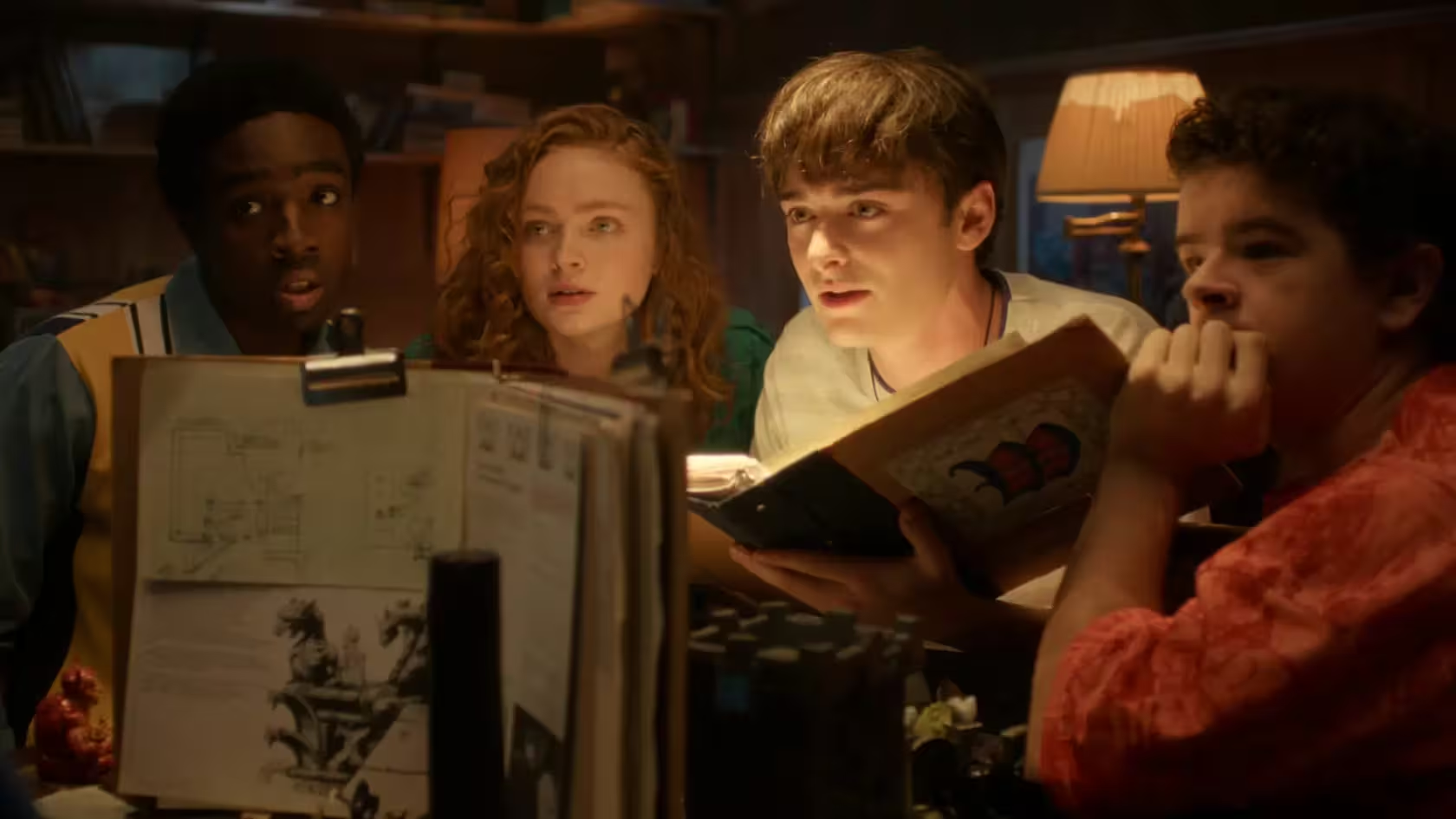
Fans reacted with a mix of relief and emotion: social feeds filled with praise for the epilogue’s pacing and for how the credits lingered over illustrated portraits of characters, an homage to Return of the King’s emotional end titles. Trivia-minded viewers enjoyed spotting intentional visual callbacks: lingering framed shots, pastoral images of the characters’ later lives, and a final credit sequence that feels designed to make longtime viewers linger in the memory of Hawkins.
"The Duffer Brothers managed to do what few showrunners attempt: they honored the emotional stakes while giving each character a clear handoff into the future," says cinema historian Marko Jensen. "It's a rare television epilogue that feels sculpted rather than tacked on — and the Lord of the Rings parallel is less imitation than a wise storytelling reference."
Critically, some reviewers will argue the epilogue leans too much on sentiment, smoothing over the moral grayer moments the series explored earlier. Yet for many viewers, that tonal choice is precisely the point: to let a decade-long story breathe, to give the young heroes and their community the ending they deserve.
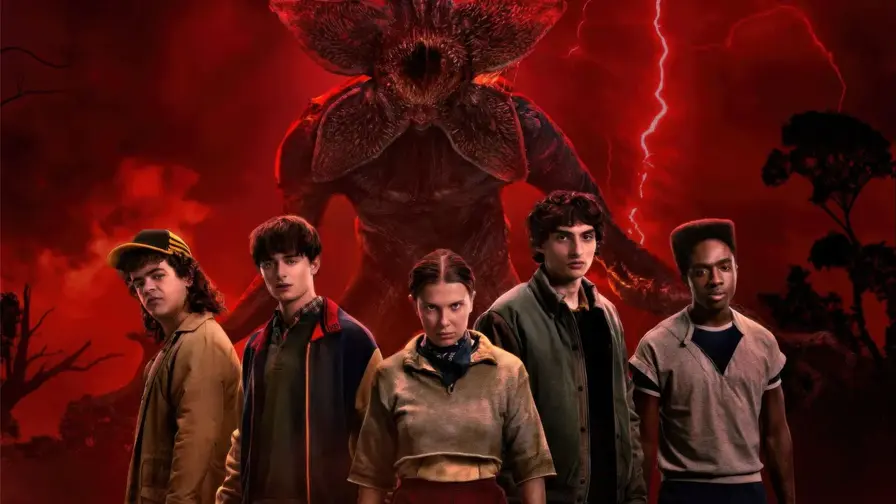
Whether you view the finale as homage or as clever structural borrowing, Stranger Things 5 closes a major chapter in contemporary TV by blending blockbuster spectacle with an unexpectedly classical sense of ending. It’s an ending designed for fans who grew up with the show — and for a small army of viewers who appreciate when a finale treats its characters’ futures as part of the story, not merely an afterthought.

Leave a Comment
Comments (2)
Is this even true? Feels like LOTR nostalgia dressing up a simpler finale. Did the Duffers borrow too much tho
Wow this hit surprisingly hard. LOTR vibes everywhere, the epilogue actually landed, felt like a real goodbye not a cheap wrapup. kinda teary ngl