
4 Minutes
Netflix, Warner Bros. and a 17-day theatrical window — what's at stake?
Hollywood is bracing for a seismic shift. Reports suggest that if Netflix completes its proposed acquisition of Warner Bros., the streaming giant may push to limit theatrical release windows to just 17 days before films move to streaming. That would be a dramatic shortening of the traditional theatrical window and one that could reshape box office strategy, distributor-cinema relations, and how audiences experience big-budget franchises.
Netflix has long experimented with different release strategies — from qualifying theatrical runs for awards (Roma, The Irishman) to limited box office openings for streaming tentpoles. But a company-wide policy setting a 17-day standard for Warner Bros. releases would be unprecedented for content on the scale of DC movies or Lord of the Rings spin-offs.
What would a 17-day window mean for cinemas and filmmakers?
Exhibitors are alarmed. Major chains like AMC have historically insisted on windows closer to 45 days to protect theatrical revenue and give films time to find audiences on the big screen. A 17-day run could reduce multiplex income dramatically, forcing cinemas to rethink programming, concessions revenue models, and local marketing investments.
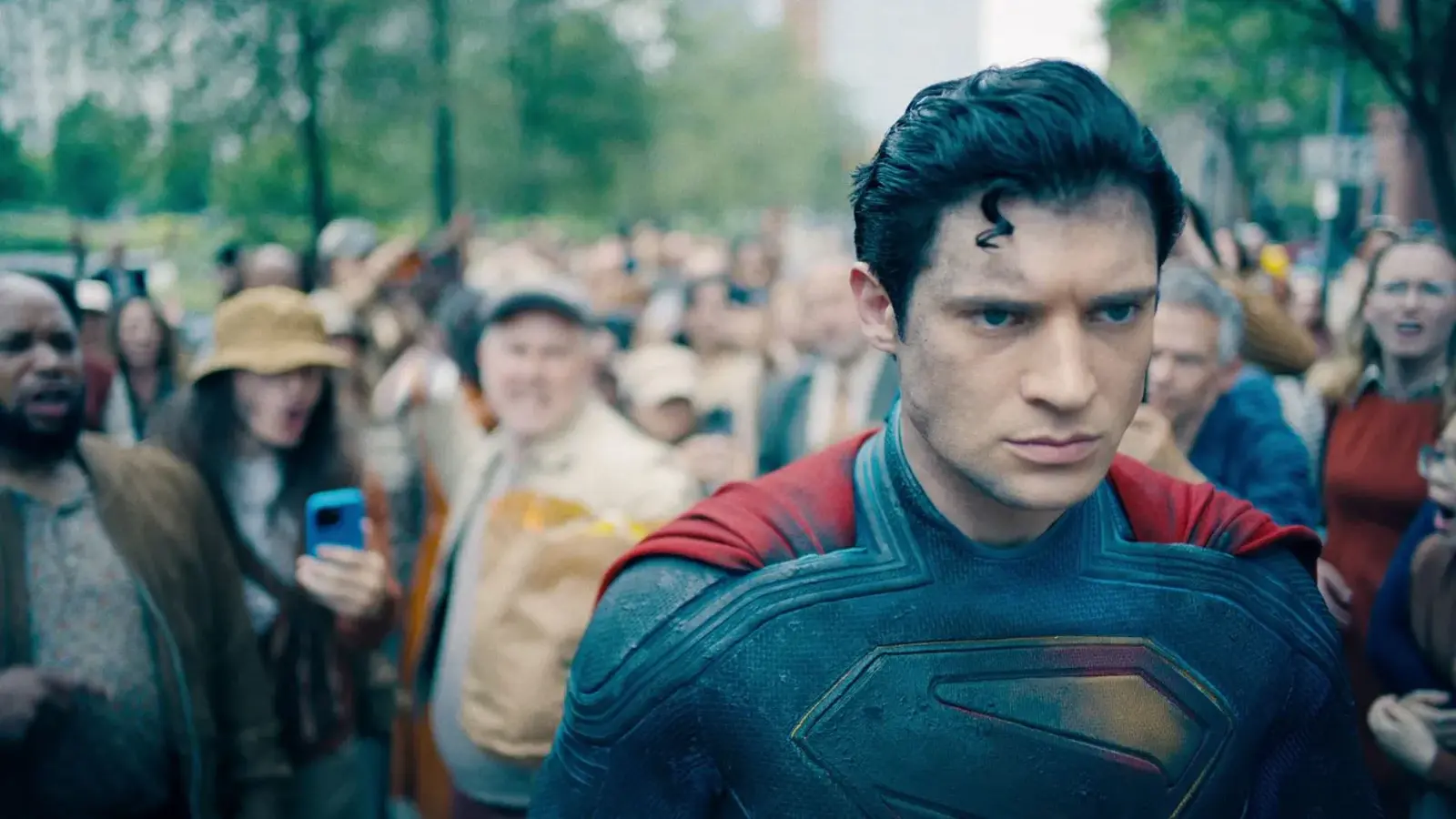
Directors and creators are also watching closely. High-profile titles that could be affected include James Gunn’s DC projects, Matt Reeves’ The Batman: Part II, Andy Serkis’s The Lord of the Rings: The Hunt for Gollum, and crossover spectacles like Godzilla x Kong: Supernova. Filmmakers accustomed to long theatrical legs — and to the cultural moment that a wide, sustained release provides — might resist abbreviated runs that potentially limit word-of-mouth and awards momentum.
Industry context: not the first experiment with windows
This debate follows earlier industry experiments. During the pandemic, studios tested simultaneous releases and shortened windows (Warner Bros. released its 2021 slate on HBO Max the same day as theaters). Universal’s PVOD moves for films like Trolls: World Tour and Disney’s flexible strategies have also blurred lines between theatrical and streaming distribution.
But scale matters. Adding Warner Bros. and HBO Max’s catalogue — from Game of Thrones to Harry Potter and a large DC universe — to Netflix would mean a single streamer controlling a massive swath of theatrical-grade IP. That concentration has raised antitrust alarms in the U.S. Congress and prompted at least one subscriber complaint alleging the deal threatens competition in the streaming market.

Box office signals and audience habits
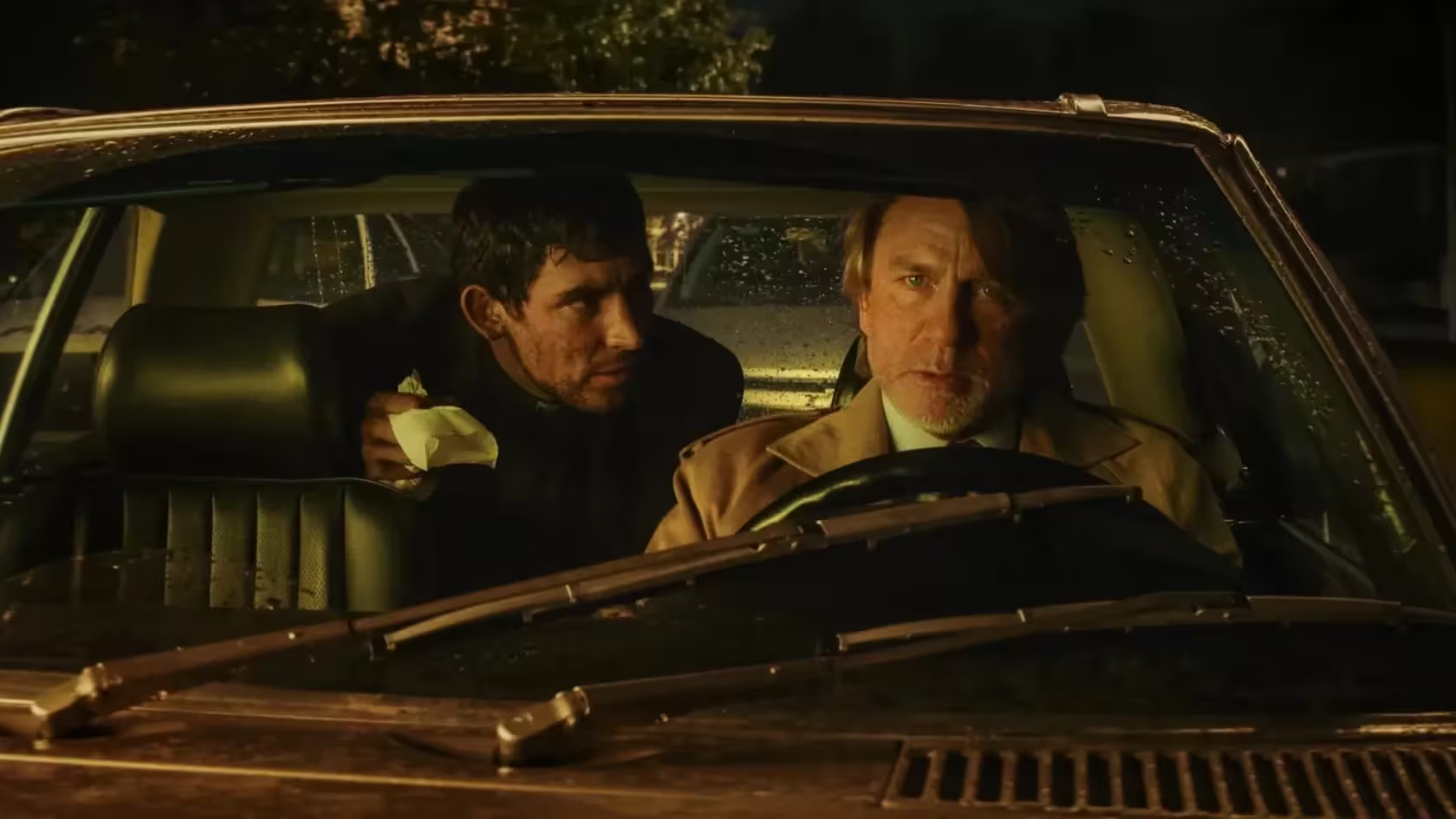
Deadline reported that a simultaneous Netflix-theatrical rollout of the Stranger Things season finale pulled roughly $25 million in box office revenue — a figure that admirably shows some audiences still buy a big-screen experience for event television. But many films rely on multi-week theatrical tails to recoup budgets and build cultural momentum. Short windows could accelerate streaming-first behavior and shift marketing dollars away from cinema-based campaigns.
There’s also a creative ripple effect: filmmakers like Ryan Johnson have publicly objected to limited theatrical runs for their projects, and veterans such as James Cameron have warned that shortening theatrical life could erode the communal, cinematic experience.
"This isn't just a business negotiation — it's a cultural choice," says film critic Anna Kovacs. "When studios shorten theatrical runs to favor streaming, they change how films are discovered and talked about. That matters for director-driven projects and franchise movies alike."
Regulatory and commercial timeline
Netflix has indicated the deal could close in 12–18 months, with the earliest completion around December 2026 and a latest window in mid-2027. CEO Ted Sarandos has expressed optimism about regulatory review, framing the acquisition as beneficial for consumers, creators, and industry growth. But antitrust scrutiny is likely to be rigorous, and exhibitors will push back hard on any blanket theatrical policy.
What to watch next
Negotiations may land somewhere between the extremes — a middle-ground theatrical window could be negotiated, or studios might adopt title-by-title strategies depending on expected box office potential. For cinephiles, the stakes are straightforward: the future of communal theatrical premieres, the economics that sustain local cinemas, and the health of franchise filmmaking all hinge on how streaming platforms and studios balance theatrical windows with subscriber-first priorities.
Whether the industry will accept a 17-day standard or forge a compromise remains unsettled, but the conversation itself marks a turning point in how movies travel from studios to screens — in theaters and at home. For now, cinemas, creators, and fans are watching closely.


Leave a Comment
Comments (2)
Is this even real? 17 days sounds insane, like they'd kill box office for beefed up subscriptions. If that's true then... how do indie films survive?
Whoa, 17 days?? That would gut the whole theatrical vibe. Midnight crowds, word of mouth, cultural moments gone. If Netflix pushes this, cinemas are in trouble, honestly