
3 Minutes
Fallout Season 2 charges back onto Prime Video
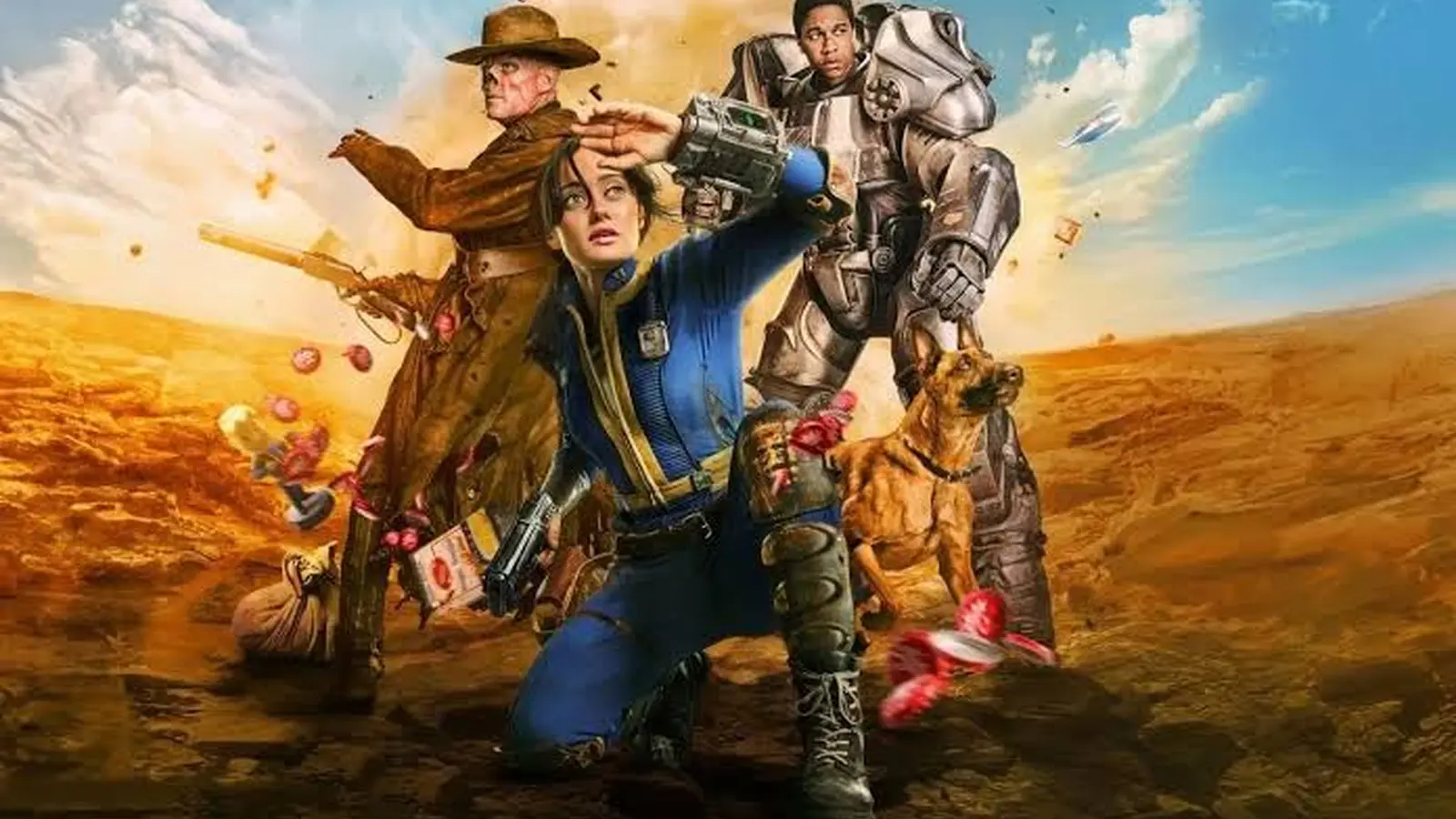
Fallout's second season has returned with momentum, and Prime Video's early metrics show the adaptation is resonating with a global audience. Amazon reports that, even with two episodes still left to air, Fallout Season 2 has already become the platform's top-performing season since Reacher Season 3 (released in February 2025). That puts it firmly among Prime Video's most-watched shows of all time.
Where the new season ranks
According to Amazon, Fallout Season 2 currently ranks as the sixth most-viewed season in Prime Video history. The only seasons ahead of it are The Lord of the Rings: The Rings of Power Seasons 1 and 2, Reacher Seasons 2 and 3, and Fallout Season 1. That ladder emphasizes how franchise recognition, production scale, and marketing combine to shape streaming success.
International audience and fandom influence
A striking detail: 53% of the audience for Season 2 so far is international, with particularly strong viewership in the United Kingdom, Germany, and Brazil. That global footprint is hardly surprising—video game adaptations often carry an established, passionate fanbase across territories, and Fallout’s decades-long gaming legacy has helped fuel interest. Fans of the original games applaud faithful worldbuilding and Easter eggs, while newcomers are drawn to the show's post-apocalyptic tone and cinematic production values.

Release strategy and why comparisons are tricky
One key difference from Season 1: Prime Video shifted from a full-season drop to a weekly release schedule for Season 2. That decision changes how early performance is measured and creates a longer tail for audience conversation, social engagement, and critical attention. Weekly releases can help shows stay in the cultural conversation for longer—something streaming platforms increasingly use to sustain subscriptions and award-season visibility.
This scheduling choice also complicates apples-to-apples comparisons with Season 1 and other titles that dropped entire seasons at once. Immediate, headline-grabbing numbers tend to favor all-at-once releases; week-by-week rollouts prioritize longevity.
Industry context and comparisons
Fallout's rise sits alongside broader trends: big-budget video game adaptations (like The Last of Us) and fantasy epics (like Rings of Power) have proven that premium TV can successfully translate interactive worlds into serialized drama. Reacher’s continued strong performance shows appetite for tight, action-driven adaptations, while Fallout combines action, dark humor, and sprawling worldbuilding to appeal to both gamers and mainstream viewers.
"Fallout Season 2 is performing like a franchise that has crossed from niche fandom into mass viewing," says film critic Anna Kovacs. "The weekly release stretches engagement and gives critics and fans time to dissect each episode—exactly what a richly detailed adaptation needs to thrive."
What’s still unknown and what to watch next
Amazon has not released detailed viewer numbers, and that silence has sparked speculation online—some doubt the claims, others suspect Amazon is waiting until the full season is available to publish a fuller report. Both possibilities are plausible. Streaming platforms often time announcements to coincide with milestones or marketing campaigns.
For fans and industry watchers, the next few weeks will be telling: sustained viewership, social media buzz, and critical consensus across the remaining episodes will determine whether Fallout Season 2 cements itself as a streaming juggernaut or simply rides an early wave of curiosity.
In any case, Fallout’s strong early placement in Prime Video’s all-time rankings underscores that high-quality video game adaptations can still break through—and that strategic release choices remain a powerful factor in how success is measured.

Leave a Comment
Comments
No comments yet. Be the first.