
3 Minutes
Why Christophe Gans came back to Silent Hill
Christophe Gans, who directed the 2006 film adaptation of Silent Hill, has returned to the fog with Return to Silent Hill — despite a history of harsh criticism and even personal threats after his first movie. The original film opened to mixed-to-negative reviews from critics, but over time it developed a fierce cult following among gamers who saw it as teenagers. That delayed affection, Gans says, gave him the confidence to revisit the world again.
From critical failure to cult classic
The arc of Silent Hill’s reputation is familiar in genre cinema: initial dismissal by mainstream critics, followed by slow reassessment by a dedicated audience. Many millennials who watched the 2006 film at 13 or 14 still talk about it fondly — a sign, Gans told Variety, that his film had lodged itself in collective memory. Unlike some adaptations that aim for faithful scene-by-scene translation, Gans has always pursued atmosphere: painterly visuals, layered symbolism, and a willingness to prioritize mood over literal plot mechanics.
Fan fury and real-world consequences
Not every fan embraced his choices. A vocal segment of the Silent Hill gaming community accused the film of betraying the source material. The backlash escalated beyond angry posts: Gans says he received serious threats, including death threats, and even direct warnings that people would "find him" if the adaptation failed to meet their standards. Those experiences weighed heavily on him while he tried to balance faithfulness to a beloved property with the needs of general audiences unfamiliar with the games.
Balancing fidelity and accessibility
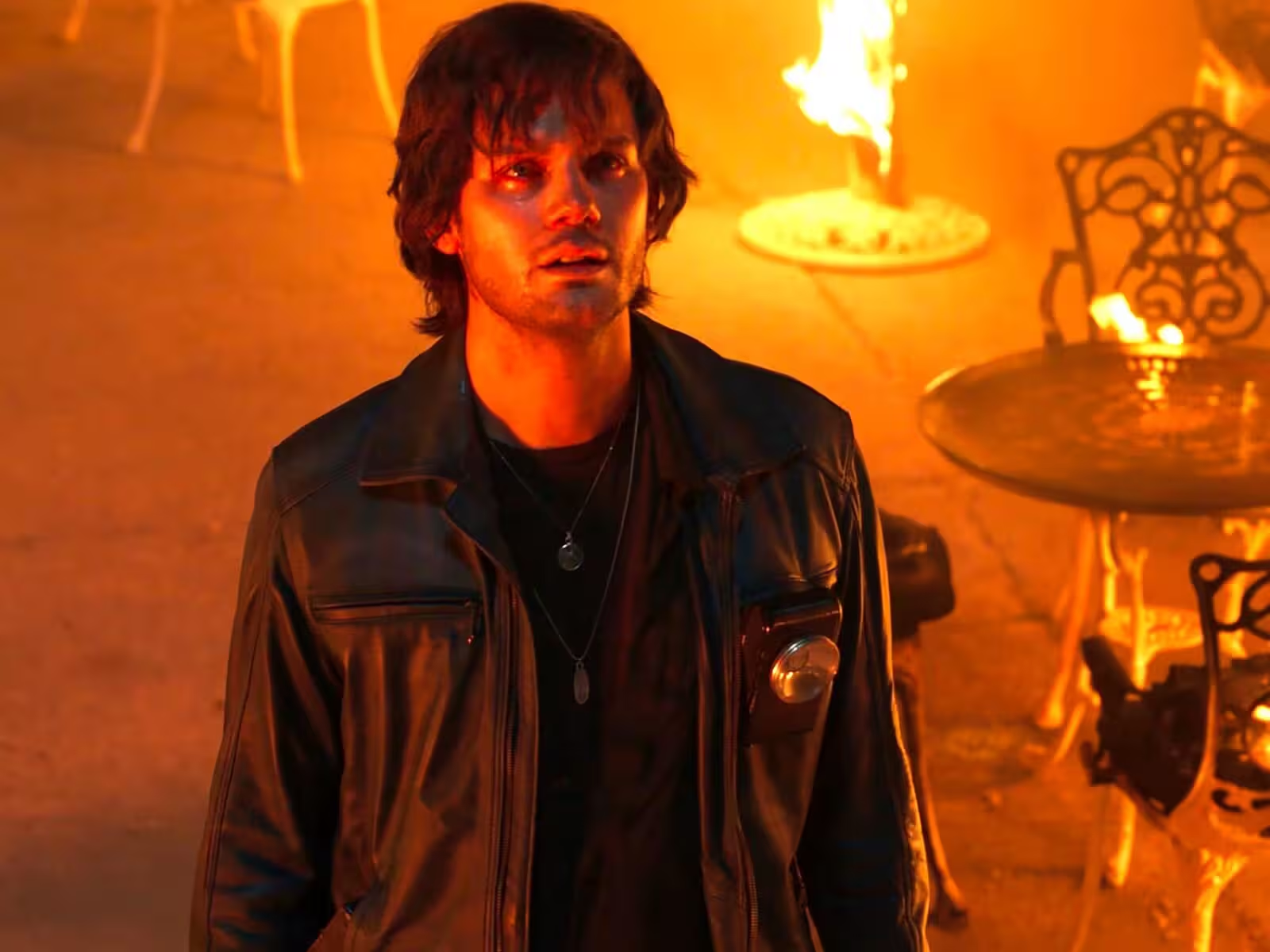
Gans’ approach — preserving the tonal core while reshaping narrative elements for cinema — is one method among many in the fraught genre of video game adaptations. Compare this to the Resident Evil films, which leaned into action and franchise spectacle, or to Denis Villeneuve’s more grounded sci-fi adaptations that keep the source’s themes intact while changing structure. Return to Silent Hill appears to continue Gans’ preference for atmosphere-first horror rather than a literal recreation of in-game sequences.
Early reviews and the long game
On release, Return to Silent Hill received a low aggregate score (reported at 16% soon after opening) — a rocky start, but not a definitive verdict. Genre films, especially those born from video games or cult properties, are often subject to re-evaluation: Ridley Scott’s Blade Runner and John Carpenter’s The Thing both found larger audiences and renewed appreciation years after their initial runs. Whether Gans’ new film will follow the same path remains to be seen.
"Gans has always treated Silent Hill as cinema rather than a checklist of game beats," says film critic Anna Kovacs. "That artistic confidence explains both the intense love and the equally intense hate. Return to Silent Hill will split viewers the way the first movie did — but it may also age into appreciation for its craft."
Behind the scenes and fan culture
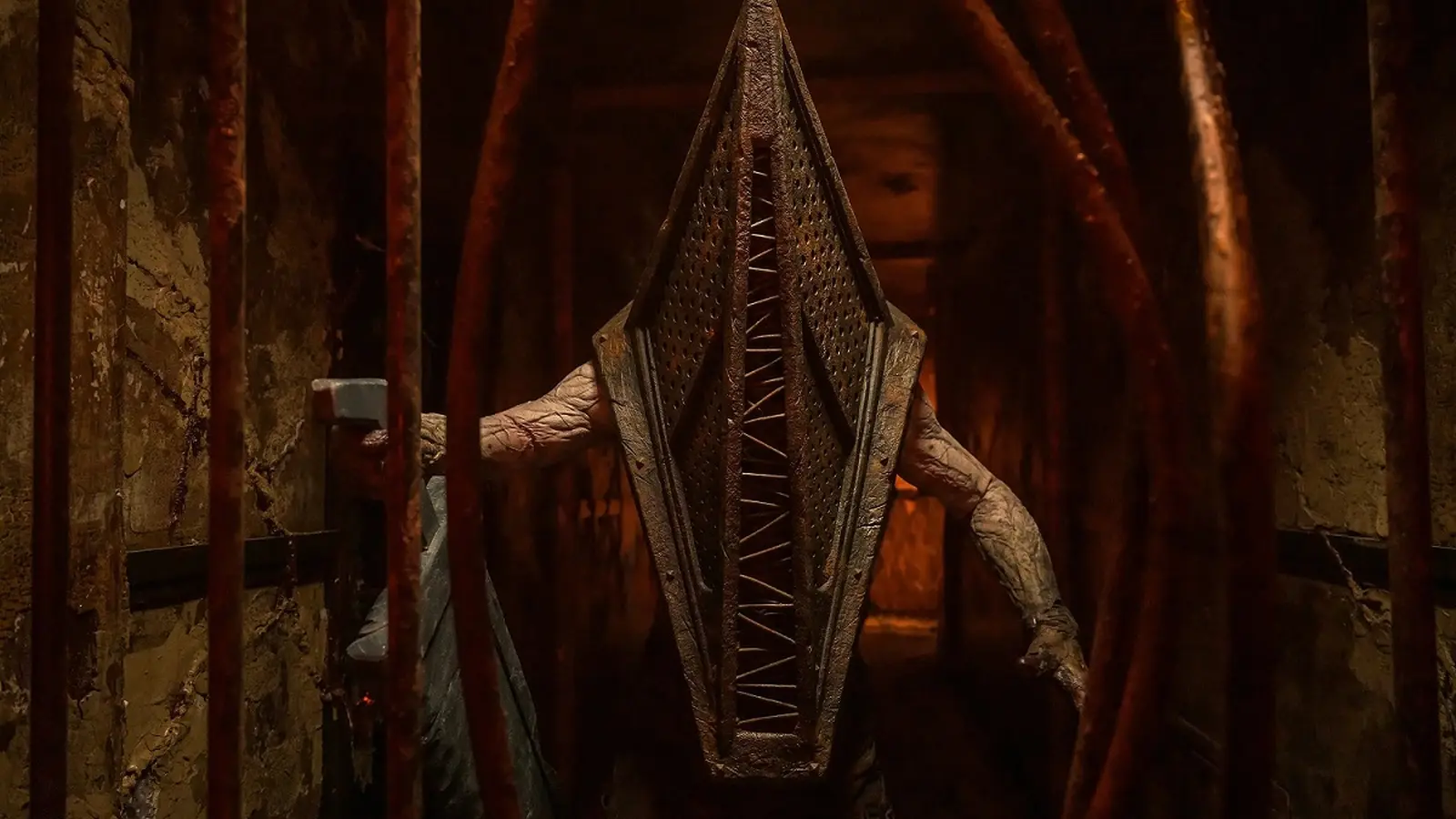
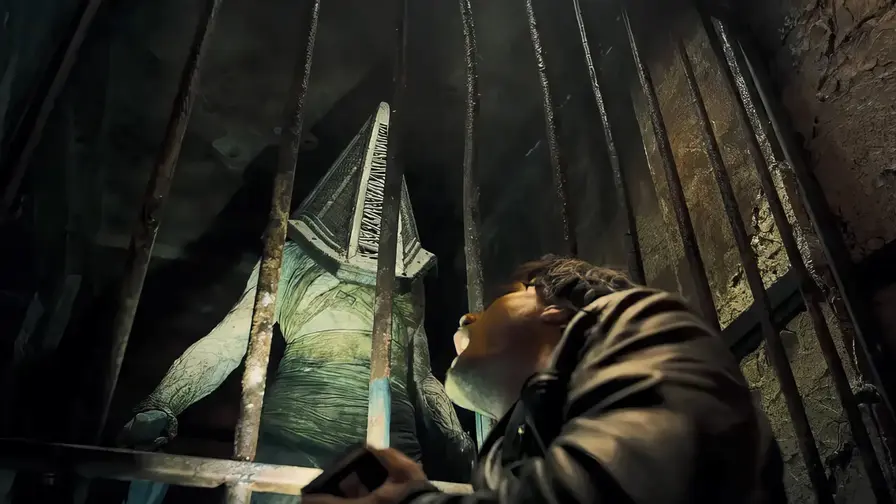
Beyond reviews, Silent Hill endures in the fan community through cosplay, fan art, and rewatched midnight screenings. The world Gans builds on screen — the oppressive fog, religious allegory, and unsettling creature design — continues to inspire creators even if it never satisfies every purist. Other directors have bristled at fan expectations too; the push-and-pull between creators and fandom is now an established part of adapting interactive media.
Time, as ever, will be the final critic. For now, Return to Silent Hill adds a new chapter to a polarizing franchise, one that tests the limits of adaptation, auteurism, and fan ownership of shared stories.

Leave a Comment
Comments
No comments yet. Be the first.