
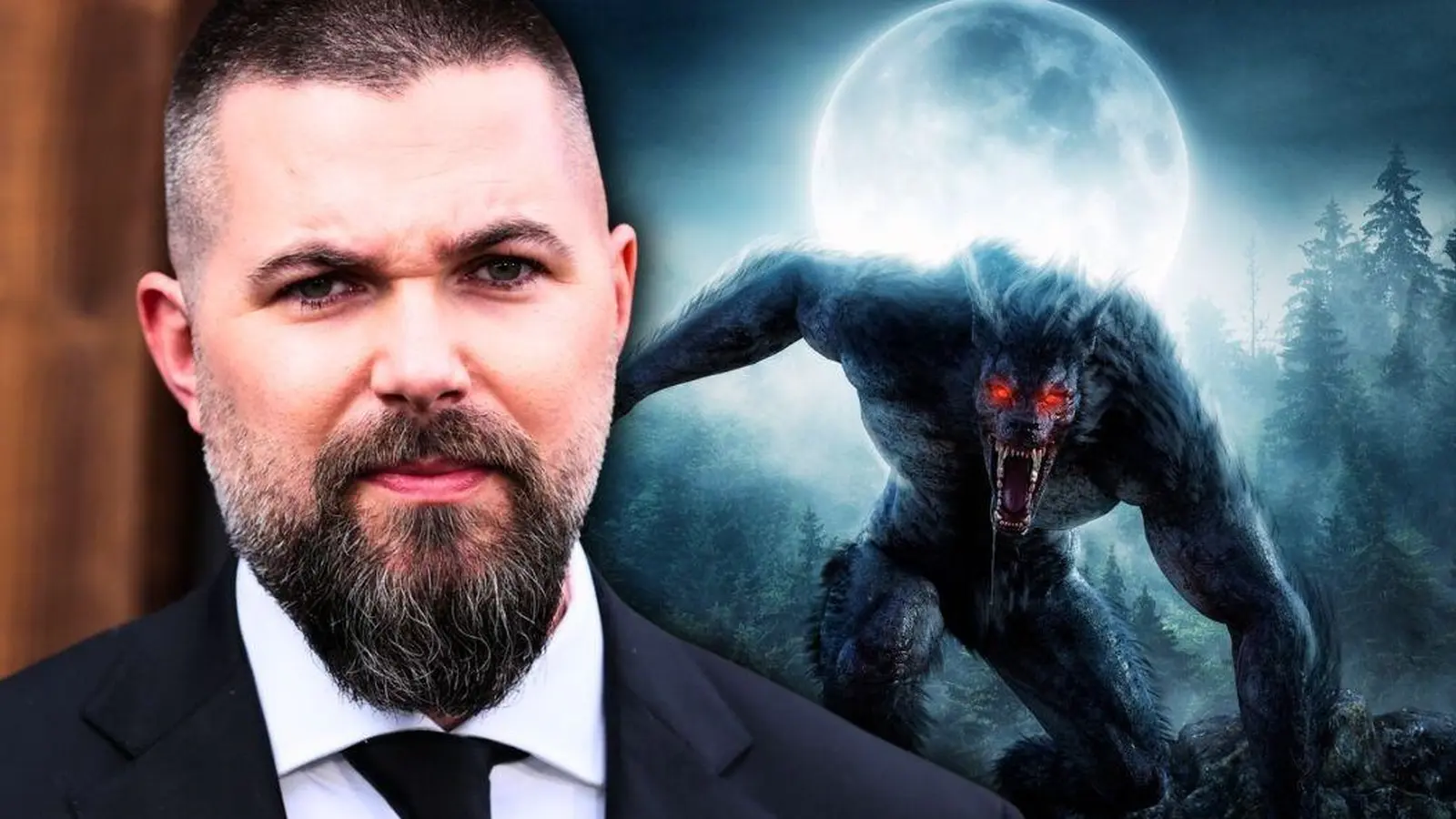
Filming Wrapped: What We Know About Werwulf
Robert Eggers has finished principal photography on his latest period horror, Werwulf. The film—set in 14th-century England—has already generated buzz among cinephiles and horror fans eager for Eggers' singular blend of historical atmosphere and folkloric dread. The studio has scheduled a wide release for Christmas 2026, promising a wintry, immersive theatrical experience.
Eggers' Signature: Folklore, History, and a Dark Imagination
Though plot details remain deliberately scarce, the title Werwulf and Eggers' track record suggest a story steeped in myth and superstition. Viewers can likely expect meticulous period design, winter landscapes, and a slow-burn tension reminiscent of The Witch, The Lighthouse, and The Northman. Eggers has become known for reconstructing vanished worlds with obsessive detail—language, costume, and ritual all contribute to the storytelling as if history itself were a character.
Comparisons and Context
Comparisons to earlier Eggers films are inevitable. The Lighthouse showed his mastery of claustrophobic tension and psychological ambiguity, while The Northman expanded his palette into grand Viking saga and visceral spectacle. Werwulf appears to sit between those poles: intimate folkloric terror framed within a rugged historical landscape. In the broader context of contemporary cinema, the film arrives amid a renewed interest in folk horror and period-driven scares—audiences and streaming platforms alike are hungry for movies that deliver authentic immersion rather than jump scares.
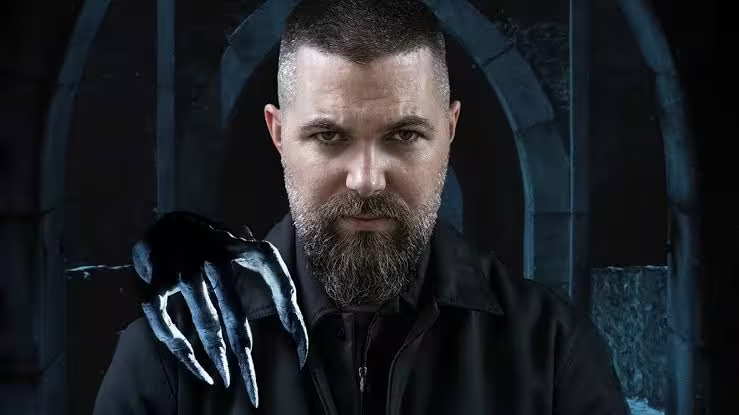
Cast and Behind-the-Scenes Notes
Werwulf stars Aaron Taylor-Johnson, Lily-Rose Depp, and Willem Dafoe. Each brings a distinct pedigree: Taylor-Johnson’s intensity, Depp’s delicate screen presence, and Dafoe’s chameleonic menace. Production sources hint at atmospheric practical effects, on-location shoots in cold, remote settings, and Eggers’ typical use of historical consultants to ensure linguistic and cultural authenticity.
Fans have already started piecing together speculation from casting and the title: will this be a werewolf tale in medieval guise, or a metaphorical reckoning with belief and violence? Early set photos and location teases sparked lively conversations on film forums, with many praising Eggers’ commitment to tactile filmmaking in an increasingly digital era.
Critical Anticipation and Industry Impact
Industry watchers note that a Christmas release for a folk-horror picture is an unconventional but potentially smart move—positioning Werwulf as a prestige horror film that could cross over into awards season talk. Eggers’ films have often blurred the line between genre and art-house, and Werwulf could reinforce that trajectory, influencing how studios market high-concept horror going forward.
Cinema historian Marko Jensen offers a measured take: 'Eggers continues to rebuild cinematic pasts with near-anthropological attention. Werwulf feels poised to deepen his exploration of myth as social history, not just scare tactics.'
Trivia for trivia-hunters: longtime Eggers collaborators are rumored to have returned, and practical set builds rather than heavy CGI are said to dominate the production—details that usually please purists who favor tactile horror.
Whether Werwulf becomes a definitive chapter in Eggers’ filmography or a divisive experiment, it already underscores the director’s influence on contemporary horror. As production moves into post, expect more reveals—trailers, festival playdates, and critical early screenings—that will shape pre-release expectations.
For now, the image of a wintery 14th-century England filmed by one of modern cinema’s most exacting directors is enough to keep audiences intrigued. Eggers has wrapped the cameras; our wait for the first glimpses begins.
Keep an eye out for official clips and festival announcements as Werwulf moves through editing and sound design toward its Christmas 2026 release.


Leave a Comment
Comments
No comments yet. Be the first.