
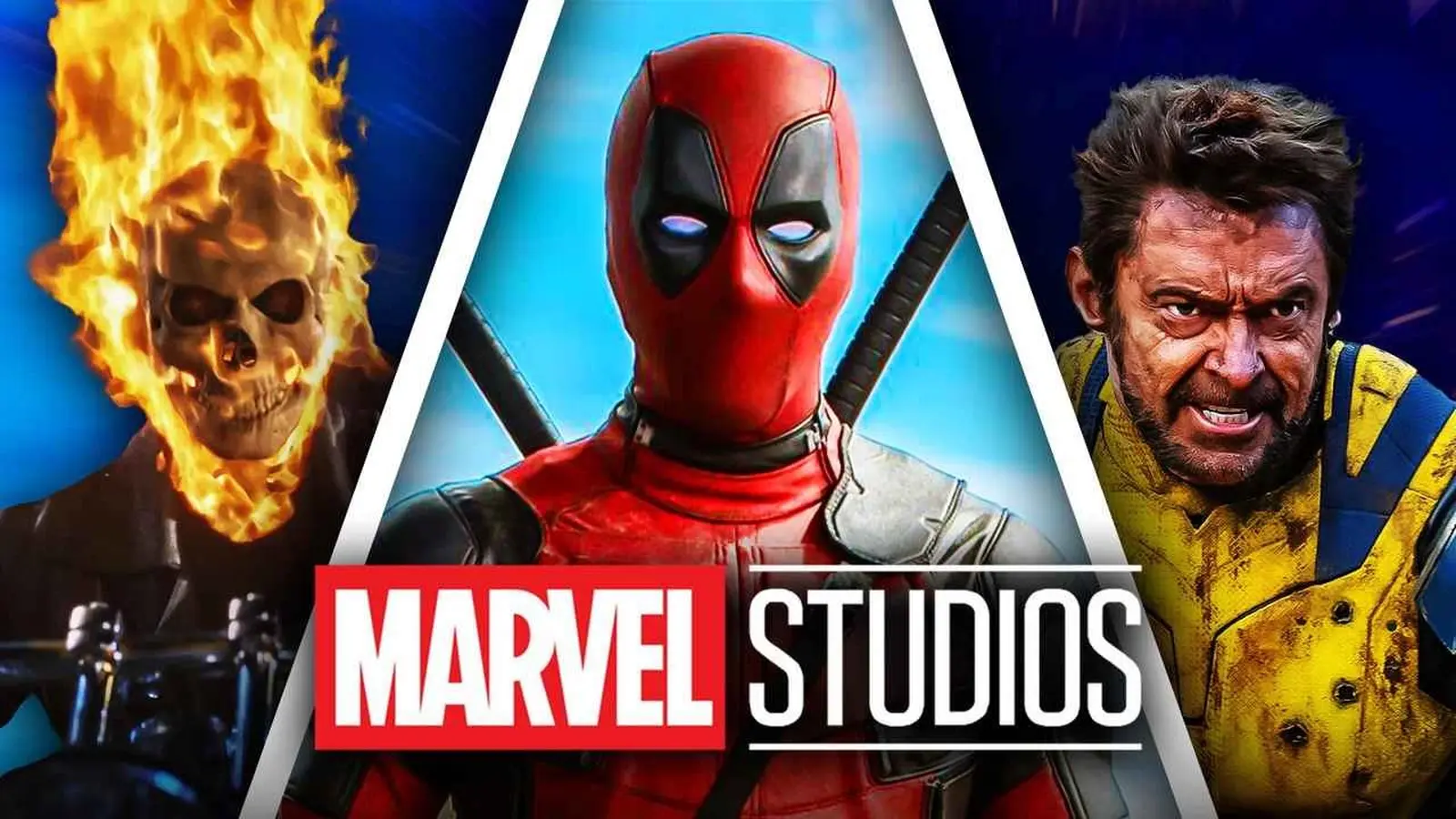
The Marvel Cinematic Universe sits at a crossroads. After more than a decade of blockbusters, interconnected TV shows and an ever-expanding roster of characters, Marvel Studios faces a dilemma familiar to any long-running franchise: how to evolve without being chained to its past. Fans adore legacy heroes — Iron Man, Captain America, Thor — but that affection can become a creative straightjacket.
Why letting go may be necessary
MCU films once felt like cultural events built on discovery: viewers met Tony Stark, Thor and Steve Rogers on the big screen for the first time and fandom soared. Today, however, expectations are so high that any movie that doesn’t feel like an ‘event’ is sometimes branded a failure. That pressure breeds conservatism — returning to proven faces and formulas rather than taking bold risks. The paradox is clear: clinging to familiar champions risks franchise fatigue while trying to launch unfamiliar protagonists can underperform at the box office.
It’s why some industry observers argue Marvel needs to make decisive, even painful, choices. Killing or fully retiring legacy characters — not merely sidelining them — could clear narrative space for true reinvention. That doesn’t mean ruthless shock tactics for clicks, but intentional storytelling that hands the baton to a new generation with stakes that feel real.
Lessons from other franchises
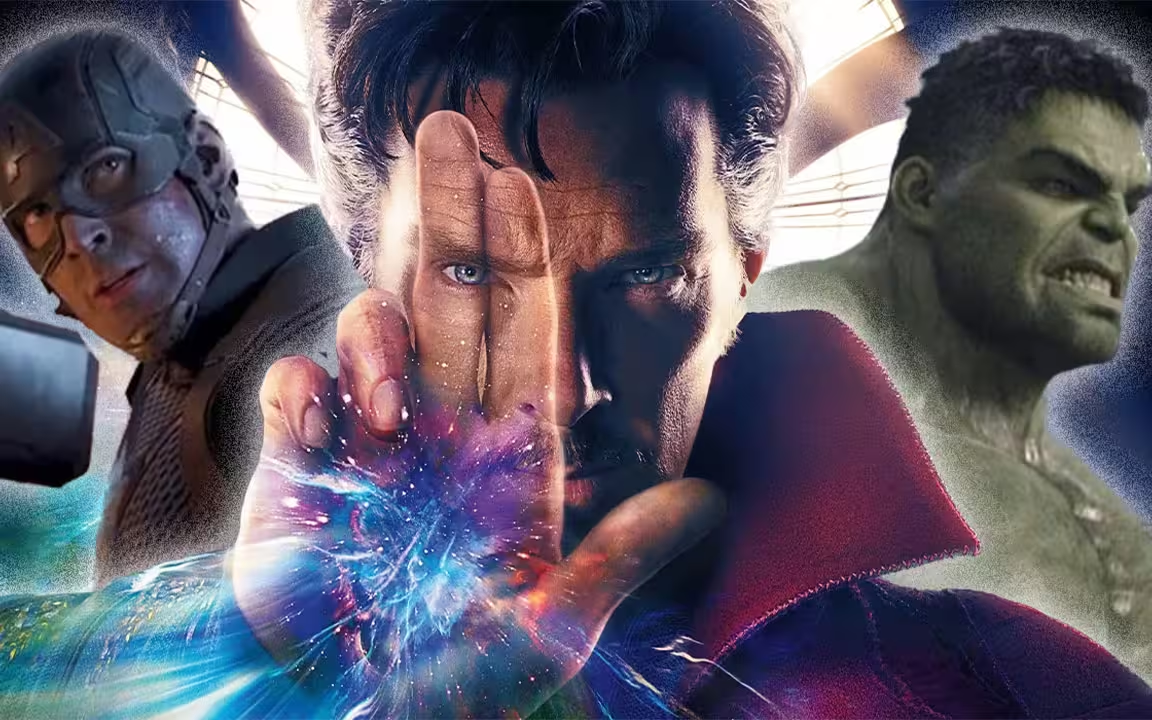
Look at Star Wars and the DC Universe: both have weathered backlash when legacy characters were handled without clear direction. Conversely, franchises that embraced reinvention — like the James Bond series recasting its lead or how John Wick revitalized itself with new tonal choices — found renewed momentum. Marvel has tried hybrid approaches: cameo-laden nostalgia (such as surprise returns) can delight fans but also signal a reluctance to commit to change.

Comparatively, Sony’s reinvigoration of its Spider-Man corner of the universe (animated innovation with Spider-Verse) shows an appetite for fresh takes; the MCU can learn from that by leaning into new voices, different tonal palettes, and younger teams.
Behind the scenes, Marvel’s creative playbook is already shifting. The studio has hinted at legacy transitions in Phase 4 and beyond, exploring multiverses and legacy mantles. Plans for a young X-Men team alongside veteran mutants like Wolverine or Storm suggest a hybrid model: keep some experienced anchors while investing in youth. But mixed strategies risk neither fully satisfying nostalgic audiences nor establishing a distinct new identity.
Fans will debate the morality of "killing" icons. Some will see it as betrayal; others will welcome the stakes. The recent decision to tempt audiences with familiar faces in new guises (for example, recasting or reimagining characters) demonstrates the tightrope Marvel walks between fan service and narrative necessity.
"If the MCU wants longevity, it must accept entropy as part of storytelling," says cinema historian Marcus Eldridge. "Legacy should be honored, not fossilized. Bold endings create room for meaningful beginnings." "Character deaths must mean something — they should reshape the universe, not just rile social feeds," he adds.
There are practical alternatives to permanent death: graceful retirements, legacy mantle-passing (a proven comic-book device), or complete recasting with clear creative intent. All require disciplined writing and a willingness to endure short-term fan turbulence for long-term gain.
For Marvel to flourish as more than a nostalgia machine it needs coherent risk-taking. That might mean dignified exits for beloved heroes, audacious new storytelling, and cultivating younger characters who feel earned rather than manufactured. Think of it as a reboot without erasing memory: a passing of the torch that honors what came before while making room for what comes next.

Ultimately, whether Marvel chooses to kill, retire, or recast will be less important than whether those choices serve the story. The healthiest cinematic universes are those willing to let characters change, age, and sometimes fall — because stakes matter. If Marvel can accept that, the next era of the MCU could be its most creatively vibrant yet.

Leave a Comment
Comments (2)
Feels like Marvel keeps one foot in the past, one in reinvention. Pass the torch but do it with actual guts, not cameo band-aids. gonna be messy tho
wow, killing legacy heroes? that would break a lot of hearts... but maybe stakes are overdue. risky move tho, if that's real then...